
Pests
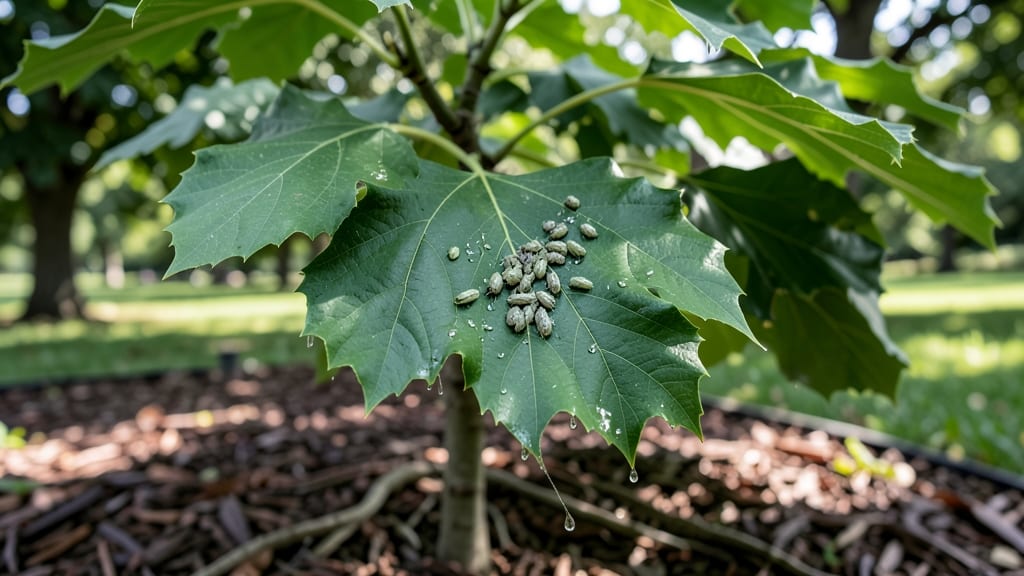
Meet the 28-spotted ladybird, your garden’s unsung hero battling aphids and mites before they even show up. 🌿 I’ve watched these tiny black-and-yellow warriors turn my struggling plants into thriving ones—no sprays needed. They’re not just pretty; they’re the reason my roses stay lush and my veggies grow strong.
This ladybird isn’t the familiar red-and-black kind—it’s larger, with 28 spots (not 7), and thrives in warmer climates. While some gardeners mistake them for pests, they’re voracious predators that devour hundreds of aphids in a single day.
The more you spot, the fewer pests you’ll see. Their presence alone deters soft-bodied insects that plague gardens.
Attracting them is simple: plant dill, fennel, or marigolds near vulnerable plants, and avoid pesticides that harm beneficial insects. Even a small patch of wildflowers can lure them in. Once established, they’ll patrol your garden year-round, keeping pests in check naturally.
No need for fancy setups—just leave some leaf litter or hollow stems for overwintering. These ladybirds are the free, organic pest control you’ve been missing. Let’s bring more into your garden this season!
Nature’s Odd Behavior Explained
The 28-spotted ladybird (Coccinella magnifica) is a fascinating insect, but its sudden appearance—or disappearance—in your garden isn’t always by chance. Understanding why these tiny guardians behave the way they do helps you harness their pest-control superpowers.
Here’s a breakdown of the key factors driving their presence (or absence) in your outdoor space.
Ladybirds, including the 28-spotted variety, are highly sensitive to temperature and seasonal changes. Their life cycles are tightly linked to weather conditions, which influence their migration, breeding, and survival rates.
- Warmer Winters: Mild winters (especially in regions like the UK, where they’re becoming more common) reduce mortality rates, allowing populations to thrive.
Fewer freezes mean more adults survive to reproduce, leading to larger colonies the following spring. - Spring & Summer Booms: These beetles time their breeding to coincide with peak aphid populations.
Warmer springs accelerate their development, while summer heat waves can trigger mass migrations in search of food or cooler habitats. - Autumn Dispersal: As temperatures drop, ladybirds seek sheltered spots (like gardens, sheds, or buildings) to overwinter.
If your garden lacks natural hiding spots, they may cluster near human structures instead.
Actionable Tip: 💡 If you notice a sudden influx of 28-spotted ladybirds in autumn, they’re likely preparing for hibernation. Provide leaf litter, dense plants, or even a small "bug hotel" to encourage them to stay in your garden longer.
Aphids aren’t the only factor—your garden’s overall health plays a huge role in attracting (or repelling) these beneficial insects.
- Aphid Explosions: The 28-spotted ladybird’s diet is 90% aphids, so their numbers surge in gardens with heavy infestations.
If your plants are aphid magnets (e.g., roses, fruit trees, or veggies like cabbage), you’ll see more ladybirds feasting—and reproducing—nearby. - Diverse Ecosystems: Gardens with a mix of flowering plants, shrubs, and herbs provide both food (pollen, nectar) and shelter.
Ladybirds rely on these resources, especially when aphid populations dip. - Pesticide Overuse: Broad-spectrum insecticides (even "organic" ones) can wipe out ladybird populations by killing their prey and the beetles themselves. If you’ve recently sprayed, their absence might be a delayed reaction.
Actionable Tip: 🌱 Plant aphid-attracting crops (like nasturtiums or dill) near your veggie patches to lure pests—and the ladybirds that eat them. Avoid systemic pesticides, which can linger in plant sap and poison beneficial insects.
Ironically, our efforts to "control" pests can backfire by displacing ladybirds—or attracting them in overwhelming numbers.
- Over-Tidiness: Ladybirds need crevices, bark, and leaf litter to hide from predators (like birds or spiders) and harsh weather.
A spotless garden leaves them vulnerable, causing them to seek shelter in homes, greenhouses, or sheds instead. - Artificial Lighting: Outdoor lights (especially blue or white LEDs) disorient ladybirds at night, drawing them toward windows or walls where they may cluster in large, visible groups. - Competition with Other Species: Native ladybird species (like the 7-spot or 2-spot) may outcompete Coccinella magnifica for resources.
If your garden already has a thriving local population, the 28-spotted variety might struggle to establish itself.
Actionable Tip: 🏠 To keep them in your garden (not your house!), leave small piles of leaves, logs, or dense ground cover in shady spots. If they’re invading indoors, reduce outdoor lighting at night or use yellow bug lights (which attract fewer insects).
Not all ladybirds behave the same—life stage, sex, and even genetics influence their movements.
- Adult vs. Larvae Behavior: Adult 28-spotted ladybirds are mobile and will disperse widely in search of food, while larvae are less active and stay near aphid hotspots.
If you see mostly adults, they may be scouting for new territories. - Female Search for Egg-Laying Sites: Females prioritize areas with high aphid activity to ensure their larvae have food.
A sudden influx of ladybirds often means females are assessing your garden for breeding grounds. - Genetic Adaptations: The 28-spotted ladybird is an invasive species in many regions, meaning its populations lack natural predators. This allows them to dominate gardens where native species would normally keep them in check.
Actionable Tip: ✨ If you want to encourage breeding, plant aphid-prone species in isolated patches. This gives females a "safe zone" to lay eggs without competing with other insects for space.
The 28-spotted ladybird isn’t native to many places (like the UK or parts of Europe), and its behavior reflects that of an ecological opportunist.
- No Natural Predators: Without birds, parasitoid wasps, or fungi to control their numbers, they reproduce unchecked in ideal conditions. This can lead to mass migrations when resources run low. - Outcompeting Natives: They may displace local ladybird species by eating their eggs or monopolizing food sources.
Gardens with declining native ladybird populations often see 28-spotted colonies take over. - Seasonal Irruptions: In some years, explosive population booms occur due to perfect weather + food conditions. These "irruptions" can make it seem like they appear out of nowhere.
Actionable Tip: 🔍 If you’re concerned about ecological balance, monitor native ladybird species in your area. Report sightings to local wildlife groups—they’re tracking how invasives like Coccinella magnifica affect local ecosystems.
The 28-spotted ladybird’s behavior is a mix of survival instinct, environmental cues, and human influence. By understanding these triggers, you can encourage their presence (for pest control) or manage their numbers (if they’re overrunning your home). The key? Work with nature—not against it. 🌿
Practical ways to manage ladybird populations
If you’ve spotted a swarm of 28-spotted ladybirds (or any ladybird species) in your garden, don’t panic! While these tiny creatures are generally beneficial, their sheer numbers can sometimes become overwhelming.
The good news is that managing them is often as simple as making a few strategic adjustments to your garden ecosystem. Below, we’ll break down practical solutions tailored to the most common issues—whether you’re dealing with an infestation, unwanted clustering, or simply want to encourage a balanced population.
1. Overpopulation in Your Home or Garden
If ladybirds are swarming indoors or overwhelming your plants, they’re likely seeking shelter, food, or a place to hibernate. Here’s how to address it:
**🔥 Cause: Too many hiding spots Ladybirds love cozy, undisturbed areas like window sills, sheds, or dense foliage. If they’ve taken over, they may be struggling to find natural habitats outside.
🍳 Fix: Create Better Outdoor Alternatives
- 🌿 Add native plants: Ladybirds adore dandelions, yarrow, and marigolds—these attract their favorite prey (aphids) and provide nectar.
- 🏡 Install ladybird houses: Use small wooden boxes with holes filled with straw or bark near your garden. These mimic their natural nesting sites.
- 💦 Set up a water source: A shallow dish with pebbles and water encourages them to stay outside rather than seek shelter indoors.
👨🍳 Fix: Gentle Relocation (If Indoors) If they’ve invaded your home:
- 🕯️ Use a vacuum or aspirator to carefully collect them and release them outside in a shaded, plant-rich area.
- ❄️ Avoid chemical sprays—these can harm ladybirds and disrupt their pest-control benefits.
2. Ladybirds Damaging Plants (Rare but Possible)
While ladybirds are predators, their larvae (not the adults) can sometimes munch on young leaves or soft plant tissues if food is scarce.
🍳 Fix: Encourage Natural Predation
- 🐞 Boost biodiversity: Attract ground beetles, lacewings, and parasitic wasps, which help regulate ladybird numbers naturally.
- 🌱 Rotate crops: If you’re growing vegetables, avoid planting the same crops in one spot year after year—this reduces stress on plants and keeps pests in check.
🔪 Fix: Manual Removal (For Severe Cases)
- 🧤 Wear gloves and handpick larvae from young plants, dropping them into soapy water (this is humane and effective).
- 🌿 Monitor aphid populations: If ladybirds are overfeeding, it may mean aphids (their primary food) are already controlled—no need for intervention!
3. Ladybirds Invading During Winter
In cold weather, ladybirds seek warmth, often clustering on house walls, under eaves, or even inside homes.
⏰ Fix: Discourage Winter Gatherings
- 🎯 Seal entry points: Check for gaps in windows, doors, and vents, and use fine mesh or weather stripping to block their access.
- 🔥 Install outdoor lights strategically: Ladybirds are attracted to light at night—use yellow or red bulbs (less appealing to them) near entryways.
- 🌡️ Provide alternative warmth: Place heated plant pots (with a safe, low-wattage bulb) in sheltered garden corners to lure them away from your home.
- 🌱 Avoid pesticides: Even "safe" sprays can weaken ladybirds and reduce their effectiveness against pests.
- 🍂 Leave some leaf litter: This provides shelter for beneficial insects, including ladybirds.
- 🌿 Plant companion flowers: Cosmos, sunflowers, and daisies attract pollinators and keep ladybird populations thriving.
- 🕰️ Time your interventions: If you must relocate them, do it early in the morning or late evening when they’re least active.
The key to managing ladybirds (or any beneficial insect) is harmony. Instead of viewing them as pests, think of them as garden allies** that need the right conditions to thrive outside your home.
By fostering a diverse, chemical-free garden, you’ll naturally keep their numbers in check while enjoying their pest-control superpowers!
Would you like help identifying other beneficial insects to invite into your garden? Let us know in the comments! 🐞🌿
Frequently asked questions
Why do 28-spotted ladybirds gather in large groups?
These ladybirds cluster in autumn for hibernation, seeking sheltered spots like garden sheds or house walls. Mild winters and abundant food (like aphids) earlier in the year create larger groups. If you see them indoors, they’re likely searching for warmth—provide leaf litter or ladybird houses outside to redirect them.
Are 28-spotted ladybirds harmful to plants?
No—they’re beneficial predators that eat hundreds of aphids daily! Their larvae might nibble young leaves if aphids are scarce, but this is rare. Focus on attracting more of them by planting dill, marigolds, or nasturtiums to ensure they have plenty of prey and nectar.
How can I tell them apart from other ladybirds?
Look for their distinctive 28 black spots (vs. the 7-spot’s classic pattern) and larger size (about 10mm long). They’re often black with bright yellow-orange markings. Unlike native species, they’re invasive in many regions, meaning they lack natural predators and can dominate gardens.
Should I relocate them if they invade my home?
Yes—but gently! Use a vacuum or aspirator to collect them and release them outside in shaded, plant-rich areas. Avoid squashing them or using pesticides, as these disrupt their pest-control benefits. Seal entry points with fine mesh to prevent future invasions.
Do 28-spotted ladybirds bite or sting?
No, they’re harmless to humans! While they can release a foul-smelling fluid when threatened, they lack stingers or venom. Their only \"defense\" is their speed and ability to fly away. Handle them carefully if relocating, but they pose no danger to people or pets.