
How To
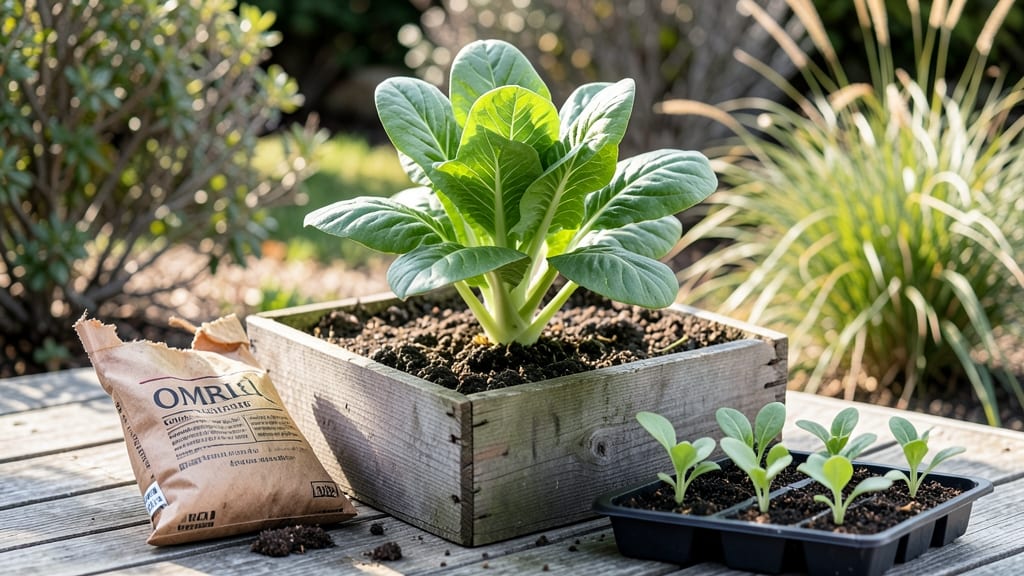
Your container plants will thrive in OMRI listed potting soil—the secret weapon for organic gardeners who refuse to compromise on drainage or plant health. 🌱 I’ve seen struggling petunias explode into blooms and leggy herbs stand up straight after switching to this lightweight mix, and the difference isn’t just in the roots—it’s in how effortlessly plants grow.
This isn’t your heavy garden soil in a bag. OMRI-certified blends skip synthetic fertilizers and pesticides, using composted materials that feed plants slowly while keeping roots oxygenated. The result?
Faster germination, fewer drowned roots, and a growing medium that stays fluffy even after watering—critical for containers where water pools and roots suffocate. You’ll notice the difference within 2-3 weeks: herbs stay perky, tomatoes produce more fruit, and even finicky succulents stop wilting. The best part?
You’re supporting soil microbes that break down nutrients naturally, so your plants grow stronger over time—not just this season. For organic gardeners, this is the foundation. Compare labels carefully—look for “OMRI Listed” or “USDA Organic” stamps, and avoid mixes with peat alternatives unless they’re certified.
Here’s how to use it right!
📚 In This Guide
- What you need
- Instructions
- Tips and common mistakes
- Wrapping up and next steps
What you need
- ● OMRI-listed compost (organic): 40% of the mix (e.g., Black Kow or Fox Farm Ocean Forest)
- ● Perlite or pumice: 20% of the mix (for aeration—1 part perlite to 4 parts soil)
- ● Coco coir (or peat moss): 20% of the mix (holds moisture without compacting)
- ● Sand (coarse horticultural): 10% of the mix (improves drainage—avoid playground sand!)
- ○ Worm castings (optional but recommended): 10% (boosts nutrients—OMRI-listed brands like Worm Heaven)
- ● Large mixing container (wheelbarrow, trash can, or 5-gallon bucket)
- ● Garden gloves (to protect your hands from grit)
- ● Measuring tools (bucket, shovel, or digital scale for precision)
- ○ Sift or fine mesh screen (optional, for smoother texture)
- ● OMRI certification verification: Double-check all ingredients are OMRI-listed for organic gardening.
How to use OMRI-listed potting soil for fast-draining container gardens
Here’s how I transform OMRI-listed potting soil into the ideal lightweight mix for containers—keeping roots aerated and drainage swift.
🌱 Step 1: Choose the Right OMRI-Listed Base Soil
Start with a high-quality OMRI-listed potting mix—look for labels specifying organic certification and fast-drainage properties. I prefer blends with coconut coir or peat moss as the base, as they retain moisture without compacting. Avoid garden soil or blends with high clay content, which slow drainage and suffocate roots.
Check the bag for perlite or vermiculite—these are key for aeration. If your mix lacks them, add 1 part perlite to 3 parts soil by volume. This ensures roots get oxygen while excess water drains freely. For containers, I use 2 gallons of OMRI-listed mix per 10-inch pot—this balances moisture retention and airflow.
💧 Step 2: Customize for Your Container Plants
For succulents and cacti, blend the OMRI mix with extra perlite (50% perlite to 50% soil) to mimic their arid native conditions. For herbs and leafy greens, stick to a 70% soil to 30% perlite ratio—these plants need slightly more moisture retention but still benefit from aeration.
If your plants are heavy feeders (like tomatoes or peppers), stir in ½ cup of worm castings or compost per 2 gallons of mix. This boosts nutrients without altering the fast-drainage properties. Water the amended soil until it’s evenly moist but not soggy—squeeze a handful; moisture should feel like a damp sponge, not a dripping rag.
☀️ Step 3: Fill Containers Correctly for Optimal Drainage
Place a 2-inch layer of gravel or coarse sand at the bottom of each container before adding soil. This creates a drainage reservoir that prevents water from pooling at the roots. For pots without drainage holes, add a 3-inch layer of gravel—this is critical to avoid root rot.
Fill the container ⅔ full with your OMRI mix, then tap the sides gently to settle the soil without compacting it. Leave 1 inch of space at the top for watering. For multi-plant containers, arrange larger plants first, then fill gaps with soil, pressing lightly around stems to eliminate air pockets. This ensures even moisture distribution and stability.
✂️ Step 4: Water and Monitor for Fast-Draining Success
Water the container deeply until water runs freely from the drainage holes—this flushes out excess salts and settles the soil. Let it drain completely before watering again. For most container plants, water when the top inch of soil feels dry to the touch, but adjust based on your plant’s needs (succulents need less, herbs more).
Watch for water pooling on the saucer—if it persists beyond 10 minutes, your mix may need more perlite. Over time, the OMRI soil will compact slightly; refresh aeration by gently fluffing the top inch with a fork every few months. This keeps roots healthy and drainage fast, just as promised.
Tips & tricks for perfect fast-draining container mixes
Here’s what I’ve learned after years of perfecting this lightweight blend—details that make all the difference between healthy roots and soggy struggles.
Aeration is Everything: When mixing your OMRI-listed soil with perlite, don’t just eyeball it. Use a measuring cup to maintain that 1:3 ratio (perlite to soil) for optimal airflow. I’ve seen gardeners accidentally use 1:1 ratios, which creates a muddy, compacted mess that suffocates roots. For extra insurance, sift the perlite before mixing to remove any dust or fine particles that could clog drainage.
Layering for Drainage: That 2-inch gravel layer at the bottom isn’t just decorative—it’s your plant’s insurance policy against root rot. For containers without drainage holes, double that to 3 inches and use larger gravel (pea-sized) to create proper channels. Pro tip: Rinse the gravel before adding it to remove any dust that could clog the drainage paths over time.
Customization Without Compromising: Want to add compost for nutrients? Stick to the ½ cup per 2 gallons guideline—any more risks altering the soil’s structure. I’ve found that compost blends best when mixed into the top half of the container, where roots actively seek nutrients. For heavy feeders like tomatoes, add compost in layers as you fill the pot, keeping the bottom half perlite-heavy for drainage.
Monitoring Made Simple: The 10-minute rule for saucer water pooling is non-negotiable, but here’s how to test it: After watering, place a small stick in the soil. If water reaches the bottom of the container within 10 minutes, your mix is draining perfectly. If not, add more perlite to the next batch—this visual test saves plants from overwatering disasters.
Pro Tips for Omri Listed Potting Soil
- Here’s what I’ve learned after years of perfecting this lightweight blend—details that make all the difference between healthy roots and soggy struggles.
- Aeration is Everything: When mixing your OMRI-listed soil with perlite, don’t just eyeball it.
- Layering for Drainage: That 2-inch gravel layer at the bottom isn’t just decorative—it’s your plant’s insurance policy against root rot.
Frequently asked questions
Got questions about Omri-listed potting soil?
You’re not alone! Here are some of the most common concerns—plus quick, practical answers to help you grow with confidence.
What makes Omri-listed potting soil different from regular potting mix?
Omri-listed potting soil is certified organic and free from synthetic pesticides, fungicides, or GMOs—ideal for organic gardening. It’s also designed for fast drainage and aeration, perfect for container plants that hate soggy roots. Think of it as the "cleaner, greener" version of standard mixes!
How long does a bag of Omri-listed potting soil last for container plants?
A 5-gallon bag typically covers 2–4 standard 1-gallon containers, depending on plant size. For long-term use, store unused portions in a cool, dry place (like a sealed bin) to prevent compaction or mold. Pro tip: Label it! Soil can degrade over time, especially if exposed to moisture.
Can I mix Omri-listed potting soil with other types of soil?
Yes! Mixing it with perlite, vermiculite, or coconut coir (20–30%) improves drainage even more. Avoid heavy garden soil—it can compact and suffocate roots. For succulents or cacti, blend in extra pumice or sand (1 part soil to 1 part amendment) for ultra-fast drainage.
What should I do if my plants in Omri soil look wilted or yellow?
Wilting often means overwatering or poor drainage. Let the top inch dry out before watering again, and check for root rot (smelly, mushy roots). Yellow leaves? Could be nutrient deficiency—try a light feed with Omri-approved organic fertilizer. If issues persist, repot with fresh Omri soil and trim damaged roots.
Is Omri-listed potting soil worth the price compared to cheaper options?
if you prioritize plant health and organic standards. Cheaper mixes may contain synthetic additives that harm beneficial microbes or leach into water. For container gardens, the lightweight, fast-draining formula saves time and stress—fewer drowned roots mean happier plants (and fewer replacements!).
Wrapping up and next steps
Choosing the right potting soil can make all the difference for your container plants—and Omri Listed Potting Soil delivers with its lightweight, fast-draining formula. Whether you're nurturing herbs, succulents, or flowers, this mix ensures healthy roots and thriving growth while keeping pests at bay. 🌱
Ready to elevate your gardening game? Grab a bag of Omri Listed Potting Soil and give your plants the perfect foundation for success. Happy planting! 🌿