What is on this site
This site is about the quiet work of growing things—plants that thrive, seeds that remember their shape, and the small, stubborn lessons the soil teaches.
Every post here is either a practical guide to cultivating something (a tomato, a basil, a patch of clover) or a reckoning with what didn’t grow: why the zucchini bolted, why the soil stayed stubbornly sour, and how to try again next year.
The site is organised into three parts: *Grow Guides* for step-by-step methods (with timings, tools, and troubleshooting), *Seasonal Notes* for what’s worth planting or harvesting right now, and *The Archive* for older posts that still hold up—like the one about saving seeds from last summer’s runner beans.
The navigation at the top tells you which is which.
| Where | What is there | Go here if |
|---|---|---|
| Grow Guides | Plants by name—tomatoes, peppers, herbs—with what to do each month | You’re starting something new |
| Seasonal Notes | What’s ripe, what’s bolting, what to plant in July | You need to know what’s happening outside right now |
| The Archive | Older posts that still work (or don’t) | You want to see what failed before |
| Contact | Questions, corrections, or offers to trade cuttings | You need to reach someone |
How to read a page here
Every page starts with a heading that names the plant or problem—*‘How to Grow Cherry Tomatoes in Containers’* or *‘Why Your Basil Keeps Turning Yellow’*—followed by a short summary of what’s inside.
Numbers in parentheses after a step (*‘(3)’*) tell you where you are in the process: skip ahead if you’ve already done the prep work. Photos are real, not stock images, and they’re labeled with what you should see at that stage (e.g., *‘Day 14: First true leaves’*).
Timings are in days or weeks, never hours, because gardening moves at the speed of the soil. Measurements are in inches, grams, or cups—no metric conversions unless it’s a tool or chemical that only comes in one system.
If a step says *‘until the soil is damp but not soggy’*, that’s the only test you need. The sidebars (the grey boxes) are for warnings or pro tips—ignore them on a first read if you’re in a hurry.
Look for the *‘What Went Wrong’* section at the end of most guides. That’s where the real lessons are: the cracks in the method, the things that broke even when the steps were followed. If you’re troubleshooting, start there.
When it does not work
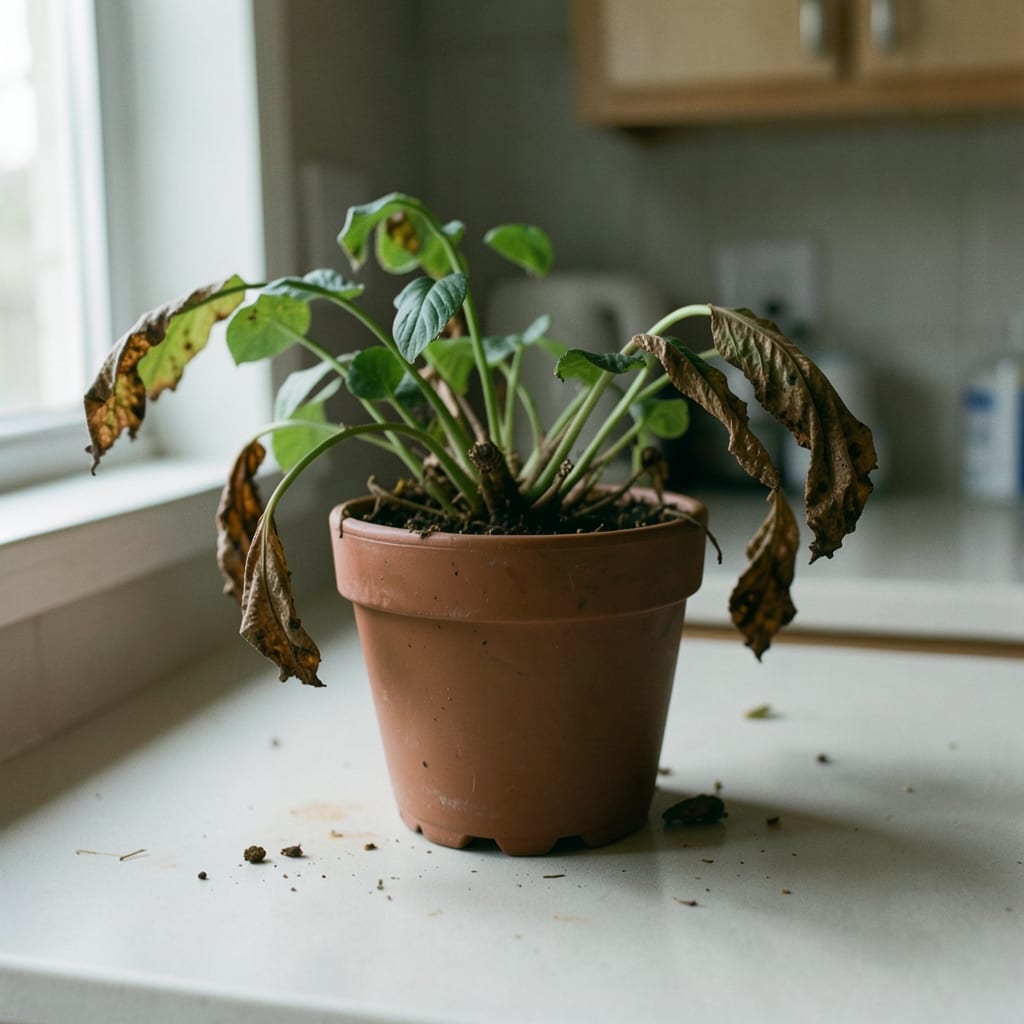
The site assumes you’re working with real conditions—not a greenhouse with perfect light or a climate that never freezes. If something isn’t growing, check these four things first before deciding the method is flawed.
Before you give up
- The plant’s needs changed with the season (e.g., ‘water more in July’ doesn’t mean ‘always water more’).
- You’re using the wrong soil mix (sandy for drainage, loamy for moisture, never just ‘dirt from the yard’).
- The container has no drainage—or the holes are clogged with roots or salt buildup.
- You’re comparing your results to a photo taken in a different climate, at a different time of year.
Who we are

This site is made by someone who learned gardening the way most people do: by watching, by failing, and by stealing tricks from neighbors who swore they’d never tell anyone how they did it.
| The colophon | |
|---|---|
| Written by | Milton Stapleton, who edits every post for what actually happens in a garden—not what a catalog promises. |
| Tested in | A 6’x8’ raised bed in rural Ohio, where the soil remembers every mistake from 1987. |
| Written with | A trowel, a notebook full of half-finished sketches, and a scale that still lies by half an ounce. |
| Learned from | A grandfather who said ‘plants don’t read instructions’ and a high school biology teacher who let us dissect bulbs. |
| Still getting wrong | The exact moment to harvest green beans—sometimes they’re crisp, sometimes they’re mealy, and the chart never lies. |
Gardening is the only work where the tools are alive, where the failures are just part of the story, and where the best advice comes from someone who’s dropped a seedling on its side and laughed about it later. This site is for the people who show up anyway.
If you need something that is not here
Ask about plants that aren’t covered, climates that aren’t listed, or methods that seem too strange to work (they often do). If you’re sending a cutting or a seed to trade, mention it in the message—we might have space in next year’s bed. Everything else goes to the contact page.
The guides are grouped by category: Advice, Aphids, Blooming, Companion Plants, Container Gardens and Diseases.