
Vegetables
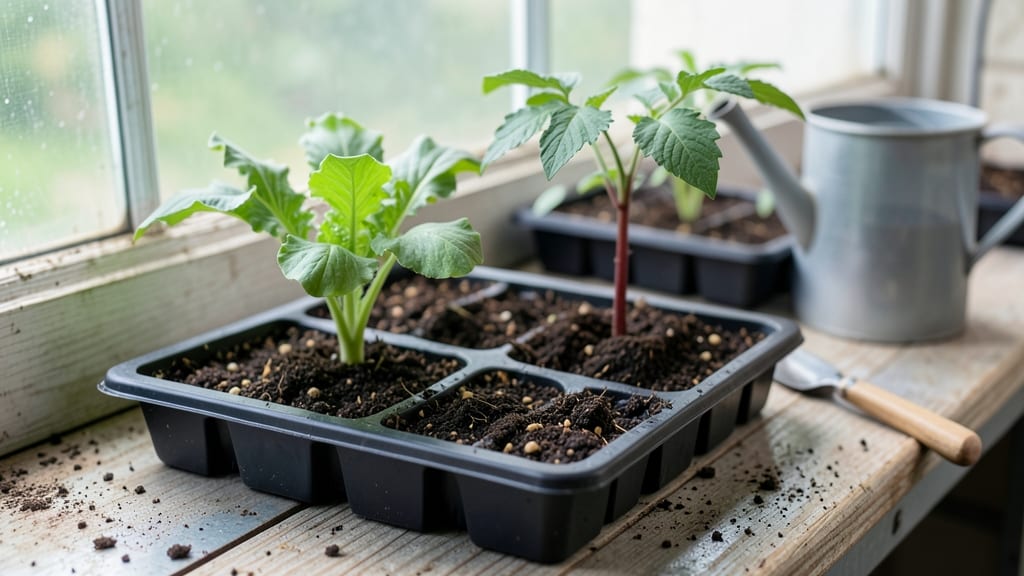
You can use potting mix for vegetables, but it’s not ideal—it lacks essential nutrients, proper drainage, and the structural support needed for healthy root development, often resulting in stunted growth or poor harvests. For best results, use garden soil or a vegetable-specific blend mixed with compost and organic matter.
Potting mix is designed for short-term container plants, not the deep, nutrient-rich environment vegetables need to thrive. 🌱 The lightweight, fast-draining nature of potting soil works against root systems that require stability and consistent moisture.
I’ve seen gardeners successfully amend potting mix with perlite and worm castings, but even then, it’s a compromise—vegetables like tomatoes or peppers demand more robust growing conditions to produce abundant yields.
For container gardening, opt for a blend that mimics garden soil: combine equal parts potting mix, compost, and coarse sand or perlite. This improves aeration while retaining moisture.
If planting in-ground, enrich the native soil with aged compost or a balanced organic fertilizer to create the ideal growing medium for your vegetables.
💡 In This Article
- Why Potting Mix Fails for Vegetable Gardens
- Best Soil Mixes for Growing Vegetables
Why potting mix fails for vegetable gardens
Potting mix is engineered for short-term container plants, not the deep-rooted, nutrient-hungry vegetables we grow for food. The key issue is its composition: it’s typically made from peat moss, coconut coir, and perlite, which prioritize fast drainage and lightweight structure over nutrient density.
This works for annuals like herbs or lettuce in pots, but vegetables like tomatoes or carrots need a medium that can sustain root growth for months—often 12-18 inches deep. 🌱 The lack of organic matter means nutrients deplete rapidly, leaving plants malnourished.
Water retention is another critical failure point. Potting mix dries out 3-5 times faster than garden soil because of its high perlite content, which creates air pockets but also means roots struggle to hold moisture.
Vegetables like peppers and eggplants require consistent hydration to develop properly—something potting mix simply can’t provide without constant monitoring. The texture is also too fine, leading to compaction when wet, which restricts root expansion and oxygen flow to the roots.
Microbial diversity is where potting mix truly falls short. Garden soil teems with beneficial bacteria, fungi, and earthworms that break down organic matter and make nutrients available to plants. Potting mix, however, is pasteurized to kill pathogens, leaving it sterile.
This means vegetables grown in potting mix often show signs of nutrient deficiencies, like yellowing leaves or stunted growth, because the soil lacks the biological activity to recycle nutrients efficiently.
Consider the case of basil—a herb often grown in potting mix. It thrives because it’s a fast-growing annual with shallow roots and modest nutrient needs.
But swap that mix for a tomato plant, and you’ll notice the difference: tomatoes need at least 3-4 gallons of soil per plant to support their heavy fruit production. Potting mix can’t provide the structural support or nutrient reservoir required, leading to weak stems and poor fruit development. 🌿
For container gardening, potting mix can work temporarily, but it’s a band-aid solution. The real problem is that vegetables need a growing medium that can support root systems for an entire growing season—something potting mix simply isn’t designed to do.
The lack of essential minerals like phosphorus and potassium (critical for flowering and fruiting) means even if you amend it, you’re still playing catch-up with a soil that’s fundamentally ill-suited to the task.
Think of it like feeding a marathon runner a single energy bar instead of a balanced meal. Potting mix is the energy bar—it might give a quick boost, but it won’t sustain the long-term demands of a vegetable garden.
That’s why gardeners who try to use potting mix for vegetables often end up with plants that look healthy at first but struggle to produce a good harvest. 💥