
Vegetables
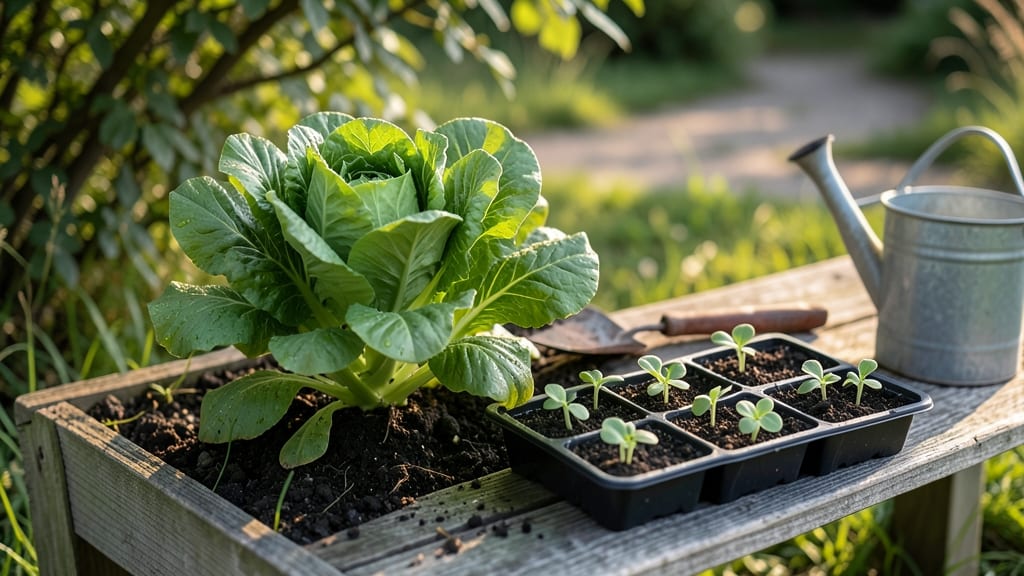
You can use potting soil for vegetables, but it’s not ideal for long-term growth because it lacks the essential nutrients and organic matter vegetables need to thrive, often resulting in weaker plants unless you enrich it with compost and fertilizer. For containers, it may work temporarily, but garden soil is better for outdoor vegetable beds.
Potting soil is designed for short-term plant growth in containers, not the nutrient-rich environment vegetables need to produce abundant harvests. 🌱 The sterile mix often lacks critical elements like nitrogen, phosphorus, and potassium, which vegetables crave for leafy growth and root development.
Even with amendments, potting soil’s drainage properties can dry out quickly, stressing plants that prefer consistent moisture. For container gardening, blend potting soil with 50% compost and a slow-release fertilizer to bridge the gap—but for raised beds, switch to garden soil for best results.
Leafy greens like lettuce or herbs tolerate potting soil better than root crops such as carrots or potatoes, which demand deeper, looser soil. If you’re committed to using potting soil, test it first: mix in worm castings for microbial activity and monitor your plants’ color and growth rate.
For heavy feeders like tomatoes, consider a 50/50 mix of potting soil and garden soil to balance nutrients and texture.
💡 In This Article
- Why Potting Soil Fails Vegetable Gardens
- How to Adapt Potting Soil for Vegetable Success
Why potting soil fails vegetable gardens
Potting soil is engineered for short-term growth in containers, not the nutrient demands of vegetables. The key issue lies in its nutrient profile: most potting mixes contain only 1-2% organic matter compared to garden soil's 5-10%+.
Vegetables need higher nitrogen for leafy growth, phosphorus for root development, and potassium for overall vigor—elements often absent in potting soil. 🌱 The sterile nature also lacks beneficial microbes that break down organic matter into plant-accessible nutrients, creating a nutrient desert for hungry crops.
Drainage becomes another critical trade-off. Potting soil's lightweight composition drains 20-30% faster than garden soil, causing moisture fluctuations that stress vegetables. Root crops like carrots or potatoes need consistent moisture to develop properly, while leafy greens may wilt between waterings.
The lack of structural integrity also means potting soil compacts quickly in containers, reducing oxygen flow to roots—a silent killer for vegetable growth.
Consider the science of soil structure: garden soil contains 45% mineral particles, 5% organic matter, and 25% water, creating ideal porosity. Potting soil's higher peat or coconut coir content breaks down rapidly, losing its ability to retain moisture and nutrients after just 3-6 months.
This rapid degradation explains why vegetable plants often show yellowing leaves or stunted growth when grown solely in potting soil.
For heavy feeders like tomatoes or peppers, the nitrogen deficiency becomes visible within 4-6 weeks as leaves turn pale green. Phosphorus deficiency causes purpling in stems, while potassium deficiency leads to weak stems and poor disease resistance.
The sterile environment also prevents beneficial mycorrhizal fungi from forming symbiotic relationships with plant roots, further reducing nutrient uptake efficiency.
Even with amendments, potting soil's pH balance (typically 5.5-6.5) can become unstable, locking out essential nutrients. Garden soil's natural buffering capacity maintains a more stable 6.0-7.0 pH range, where vegetables can access nutrients most efficiently.
This pH difference explains why vegetable plants often show signs of nutrient deficiencies even when fertilized—because the soil can't properly release those nutrients.
The microbial ecosystem is another critical difference. Garden soil contains thousands of beneficial bacteria and fungi per gram that decompose organic matter, while potting soil's sterilization process kills these microbes.
Without them, organic amendments like compost break down too slowly to feed plants effectively. 🌿 This microbial imbalance is why vegetable plants in potting soil often show slower growth and weaker immune systems against pests and diseases.