
Vegetables
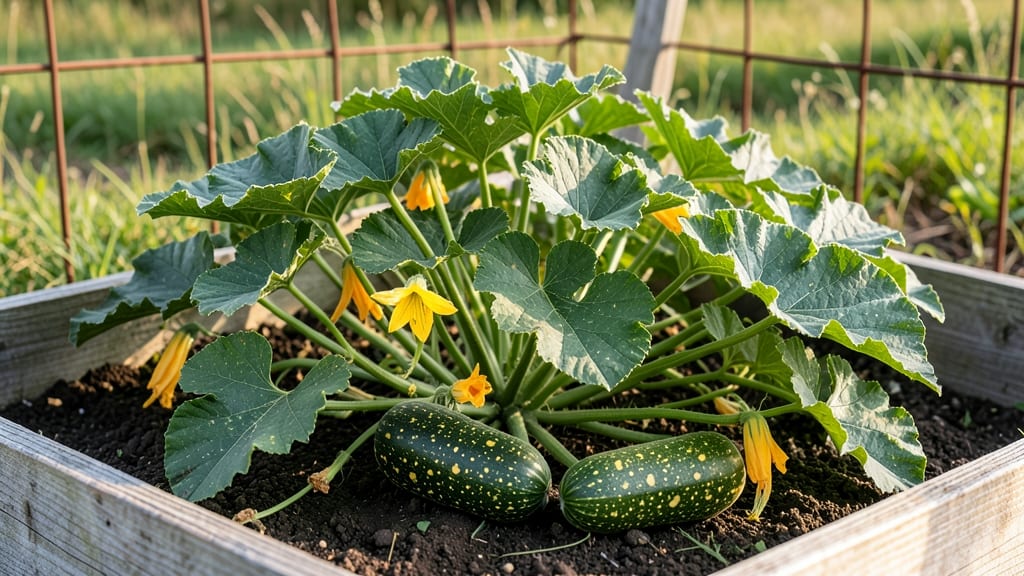
Cooking green spotted squash is simple: roast it with olive oil and herbs, sauté with garlic and butter, or grill whole for a smoky flavor. This versatile squash works beautifully in salads, pasta dishes, or as a side.
This summer squash variety—often called scallop or pattypan—stands out for its quick cooking time and mild, slightly sweet flavor. 🔥 Unlike larger winter squashes, its tender skin and flesh mean you can enjoy it raw in salads or cooked in under 15 minutes.
The key to perfect results lies in the preparation: halving larger pieces ensures even cooking, while smaller pattypans can be grilled whole for a smoky char. I've found that roasting brings out its natural sweetness, while sautéing makes it silky-smooth—ideal for blending into soups or risottos.
What makes green spotted squash so versatile is its adaptability to different cuisines. Mediterranean dishes love its pairing with feta and olives, while Asian-inspired recipes benefit from its subtle sweetness when tossed with sesame oil and ginger.
For dietary needs, it's naturally low in calories but packed with vitamin C and fiber—just watch for added oils or butters in recipes that boost its richness.
💡 In This Article
- Identifying and Selecting Green Spotted Squash at the Market
- 3 Pro Techniques for Cooking Green Spotted Squash
3 Pro techniques for cooking green spotted squash
Roasting green spotted squash at 400°F for 12-15 minutes transforms its mild sweetness into caramelized depth. The high heat breaks down natural sugars while the skin crisps into a delicate, edible wrapper. 🔥 What's happening chemically is the Maillard reaction—those golden-brown patches you see?
That's amino acids and reducing sugars reacting to create hundreds of flavor compounds. For best results, halve the squash lengthwise (or leave whole for smaller pattypans) and place cut-side down on a parchment-lined tray with 1 tablespoon olive oil, salt, and pepper.
The oil's smoke point (375°F) ensures it won't burn while providing a silky texture.
Sautéing delivers a different texture profile—silky and tender—thanks to the lower 350°F heat and constant motion in the pan. Here's the pro move: Slice the squash into ½-inch half-moons and cook in batches to avoid steaming.
Add 1 tablespoon butter and 2 cloves minced garlic when the squash hits 8-10 minutes of cooking, as the garlic's allicin compounds (which give it that pungent aroma) need 3-5 minutes at this temperature to convert into milder, sweeter flavors.
The butter's fat content also helps distribute heat evenly, preventing uneven cooking that can turn some pieces rubbery.
Grilling whole pattypans creates a smoky exterior while keeping the interior tender—a technique that works best with 1-inch diameter squashes.
The key is indirect heat: place the squash on the grill 4-6 inches from the heat source and rotate every 3-4 minutes to prevent burning. 🌟 What's fascinating is how the grill's infrared heat penetrates the skin, creating a "seal" that locks in moisture.
For extra flavor, brush with a mix of olive oil and lemon juice before grilling—the acidity helps break down pectin in the squash walls, making them even more tender. Serve immediately after grilling when the flesh yields slightly to gentle pressure.
Each method offers distinct advantages based on your dish's needs. Roasting works best for flavor development in hearty meals, sautéing excels in quick weeknight dishes where texture matters, and grilling adds a restaurant-quality touch for summer entertaining.
The squash's natural sweetness pairs exceptionally well with goat cheese (which has a pH of 4.6, balancing the squash's mild acidity) or toasted walnuts (their 18% fat content complements the squash's moisture).
For dietary adaptations, simply reduce the oil to ½ tablespoon for lower-calorie versions or use avocado oil (smoke point 520°F) for high-heat grilling.
Timing is everything with green spotted squash—overcooking turns its tender flesh into a mushy mess. Here's how to test doneness: Press a piece with your finger; it should give slightly but still hold its shape. For roasted squash, the edges should be golden-brown and the center should be fork-tender.
Sautéed pieces should be translucent at the edges with a slight resistance in the middle.
Grilled squash should have visible grill marks and a slightly charred skin that peels back easily. 💫 Pro tip: If you're using the squash in a dish where it will be blended (like soups), cook it until just tender—8-10 minutes for roasting—to preserve its silky texture.
One common mistake is skipping the salt until the end of cooking. Salt should be added 5-7 minutes before the squash is fully cooked to allow for osmosis—the process where salt penetrates the cells and draws out moisture, creating a more concentrated flavor.
The squash's high water content (about 90%) means it responds beautifully to this technique, resulting in more intense flavor without making the flesh soggy.
For extra flavor complexity, try adding ½ teaspoon smoked paprika to the oil before roasting—the compound capsaicin in the paprika adds a subtle heat that complements the squash's natural sweetness.