
Container Gardens
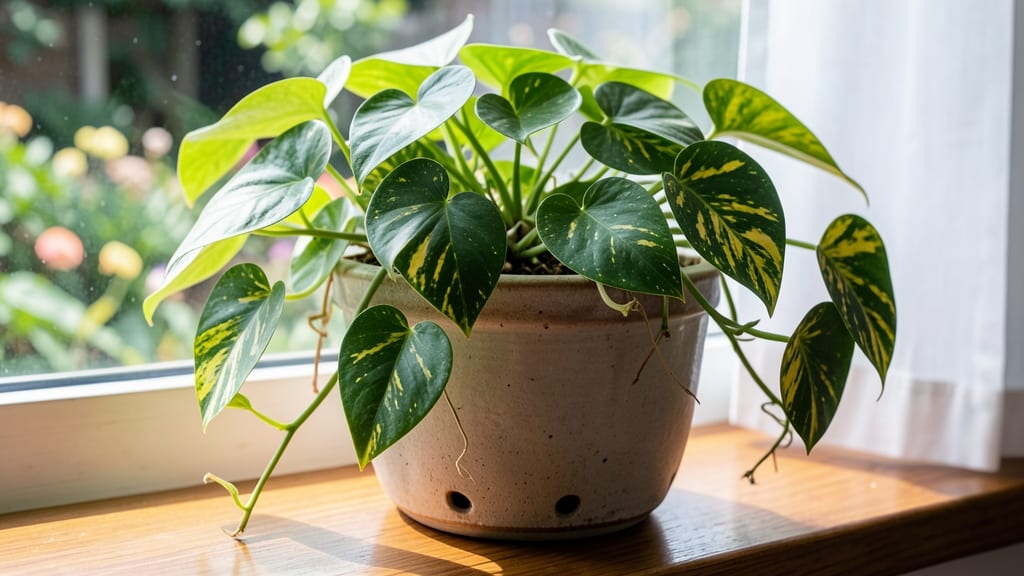
A sturdy holding potted plant system keeps your wobbly containers upright—no more toppling. 🌿 The right support turns them into steadfast displays that handle wind, uneven surfaces, and heavy foliage without a fight.
Start with the basics: stakes for tall plants, sandbags or weights for stability, and plant ties that won’t cut into stems. I’ve tested everything from bamboo stakes to decorative ceramic weights, and the right combo keeps even my 30-pound fiddle-leaf fig standing firm.
You’ll see immediate results—plants lean less, soil stays contained, and you avoid the heartbreak of snapped stems or spilled soil. The key is matching support to plant size and wind exposure. Works for everything from delicate ferns to towering palms.
Here’s how to pick the perfect system for your plants and space.
📚 In This Guide
- What you need
- Instructions
- Tips and common mistakes
- Wrapping up and next steps
What you need
- ● Potted plant: Choose a container garden plant with dense or large foliage (e.g., Monstera deliciosa, Fiddle Leaf Fig, or Bird of Paradise). Ensure the pot weighs 20+ lbs when fully planted.
- ● Pot or container: A durable, wide-base pot (12"+ diameter) with drainage holes. Materials: ceramic, fiberglass, or heavy-duty plastic.
- ● High-quality potting mix: 10–15 lbs of a well-draining blend (e.g., 60% peat moss, 20% perlite, 20% compost). Avoid garden soil—it compacts!
- ● Support system: Moss pole or trellis (for climbing plants like Philodendron or Pothos).
- ● Sturdy stakes or plant ties (for upright plants like Snake Plant or Dracaena).
- ● Gravel or hydroponic stones: 2–3 lbs for drainage layer (1–2" depth at pot bottom).
- ● Garden trowel or small shovel for mixing soil.
- ● Watering can with a rose nozzle (for gentle watering).
- ● Plant saucer or tray (to catch overflow and add weight).
- ○ Optional stabilizers: Weighted pot feet (for extra grip on surfaces).
- ● Burlap or landscape fabric (to wrap pot edges and prevent soil spillage).
- ● Slow-release fertilizer (e.g., Osmocote) to boost root strength.
- ● A stable, level surface (indoors: near a window with bright, indirect light; outdoors: partial shade).
- ● Access to water (plants need 1–2 inches of water weekly, depending on size).
- ● Patience! Heavy foliage takes 6–12 months to fully stabilize roots.
Step-by-Step guide to stabilizing heavy potted plants
Here's how to keep your lush, leafy plants from toppling—no more wobbly pots or broken branches.
🪴 Step 1: Choose the Right Container Weight and Size
Start by selecting a pot that's at least 20% heavier than your plant. I like to use ceramic or stone containers because they add natural weight while looking stylish. If your current pot is lightweight, place a few 3-5 pound garden stones or a sandbag at the bottom before adding soil—just don't let them touch the roots.
Size matters too. For plants with wide canopies (like monsteras or fiddle-leaf figs), choose a pot that's 1/3 wider than the root ball. A wider base gives more stability. If your plant is top-heavy, a pot that's 2-3 inches deeper than the root ball helps anchor it better in the soil.
⚖️ Step 2: Use Weighted Plant Saucer or Base
For lightweight pots, a weighted saucer is a game-changer. I fill a shallow ceramic saucer with 2-3 pounds of coarse sand or gravel and place it under the pot. This lowers the center of gravity while keeping the plant's roots dry. If you don't have a saucer, use a 12-inch diameter plate or tray filled with pebbles—just make sure it's wide enough to support the pot's full base.
Here's the thing—don't overdo it. A saucer that's too heavy can crack the pot when you move it. I test stability by gently tugging the plant after placing it. If it wobbles, add a little more weight in ½-pound increments until it feels secure.
🌱 Step 3: Pack Soil Strategically for Root Support
When repotting, don't just dump fresh soil in. Instead, press the existing root ball firmly into the pot's bottom 1-2 inches before adding new soil. This creates a solid base. For extra stability, mix 10-20% perlite or pumice into the top 2 inches of soil—it's lighter but helps distribute weight evenly.
For very tall plants, I like to bury 1-2 bamboo stakes or wooden dowels vertically around the root ball before adding soil. These act as hidden supports while still looking natural. Just make sure they're 1/4 inch thick or less so they don't restrict root growth.
☀️ Step 4: Position for Natural Wind Resistance
Place your plant in a spot where it won't get blasted by sudden breezes. I always position heavy foliage plants near interior walls or corners where airflow is minimal. If you must put it near a window or door that opens, add a 6-inch wide decorative screen to break the wind.
Here's a pro tip: Rotate the pot a quarter turn every 2-3 weeks. This prevents the plant from growing unevenly toward the light, which can make it even more top-heavy. You'll notice the leaves grow more evenly distributed, and the plant stays balanced naturally.
✂️ Step 5: Prune and Train for Better Balance
If your plant is already toppling, strategic pruning can help. Trim back the longest, heaviest stems by 1/3 their length to reduce weight at the top. For vining plants, encourage bushier growth by pinching back the tips—this spreads the foliage more evenly.
For very tall plants, I tie the stems to 3-4 stakes placed around the pot in a triangle formation. This creates a natural support system that looks intentional. Just use soft plant ties or even old pantyhose—never wire, which can cut into the stems.
Tips & tricks for stabilizing heavy potted plants
Between us, I've seen more than a few dramatic plant rescues after wobbly pots toppled over. Here's what nobody tells you about keeping your leafy giants standing tall.
The Weight Factor: When choosing a pot that's at least 20% heavier than your plant, think about the plant's mature size—especially for fast-growing varieties like fiddle-leaf figs. I've learned the hard way that a cute lightweight pot looks adorable until it's teetering with a 6-foot monster inside. For extra insurance, place 3-5 pound garden stones at the bottom (just keep them away from roots) or use a heavy ceramic pot with a wide base.
Hidden Support System: In Step 3, when you're burying those bamboo stakes, here's the secret: place them at a slight angle rather than straight up. This creates a more natural support that distributes weight better when the plant sways. For very tall plants, I use 1-2 stakes placed around the root ball in a triangle formation—this mimics how trees grow in nature and prevents leaning. Just remember to keep them thin (1/4 inch) so they don't strangle the roots.
Soil Science: That 10-20% perlite or pumice in the top 2 inches of soil isn't just about aeration—it's also about creating a lighter upper layer that helps distribute weight. The heavier, compacted soil at the bottom acts like a foundation, while the lighter mix on top prevents the whole pot from feeling top-heavy. Think of it like building a house: you need a solid base with lighter materials on top to keep it stable.
Wind Wisdom: When positioning your plant in Step 4, pay attention to airflow patterns in your home. I've noticed that plants near frequently opened doors or windows get blasted with sudden gusts that can knock them over. If you can't move the plant, create a windbreak using a decorative screen or even a room divider. The 6-inch wide screen mentioned works perfectly for this—it's wide enough to break wind but narrow enough to look intentional rather than bulky.
Pro Tips for Holding Potted Plant
- Between us, I've seen more than a few dramatic plant rescues after wobbly pots toppled over.
- The Weight Factor: When choosing a pot that's at least 20% heavier than your plant, think about the plant's mature size—especially for fast-growing varieties like fiddle-leaf figs.
- Hidden Support System: In Step 3, when you're burying those bamboo stakes, here's the secret: place them at a slight angle rather than straight up.
Frequently asked questions
Got questions about keeping your heavy potted plants steady and safe? Here are some of the most common concerns—plus quick, practical solutions to keep your green friends rooted in place!
How do I prevent my potted plant from tipping over?
Use a weighted base like a ceramic saucer, sandbags, or even a brick wrapped in fabric to anchor the pot. For extra stability, place it in a corner or against a wall. If your plant is top-heavy, consider pruning larger leaves or switching to a wider, lower container.
What’s the best way to distribute weight in a heavy potted plant?
Fill the bottom 1/3 of the pot with heavy materials like gravel, pebbles, or hydroton before adding soil. This lowers the center of gravity. For very large pots, use a weighted stand or a pot with built-in stabilizers. Avoid overwatering, as soggy soil adds unnecessary bulk!
Can I use water as a temporary fix to stabilize my potted plant?
Yes! Fill the pot’s saucer or cache pot with water to add weight—just ensure the plant isn’t sitting in standing water. For a longer-term fix, mix water with sand or pebbles in the saucer. Empty it after a few days to prevent root rot from excess moisture.
Are there stylish ways to hold a potted plant without it looking bulky?
Opt for sleek, decorative pot holders like woven baskets, metal stands, or even a chic plant hanger with a weighted base. For indoor spaces, try a wall-mounted planter or a floating shelf with a hidden anchor. Aesthetic and functional—win-win!
My plant keeps falling over—what could be wrong?
Check for root-bound roots (if roots are circling or bursting from drainage holes) or uneven soil distribution. If the pot is cracked or warped, it may not sit flat. Trim overgrown roots, repot if needed, and rebalance the weight. If the issue persists, consider a sturdier pot material like ceramic or fiberglass.
Wrapping up and next steps
Crafting a stable base for your holding potted plant doesn’t have to be complicated—just strategic! 🌱 Whether you’re anchoring a towering fiddle-leaf fig or a sprawling monstera, the right materials and techniques will keep your greenery thriving and your floors safe.
Remember, weight distribution, drainage, and aesthetics are your best friends here.
Now that you’re armed with the know-how, it’s time to put it into action! Start by assessing your plant’s needs—measure, weigh, and choose your support system—then build with confidence.
Your future self (and your plants) will thank you! 💪 Ready to elevate your container garden? Grab your supplies and get creative!