
Watering
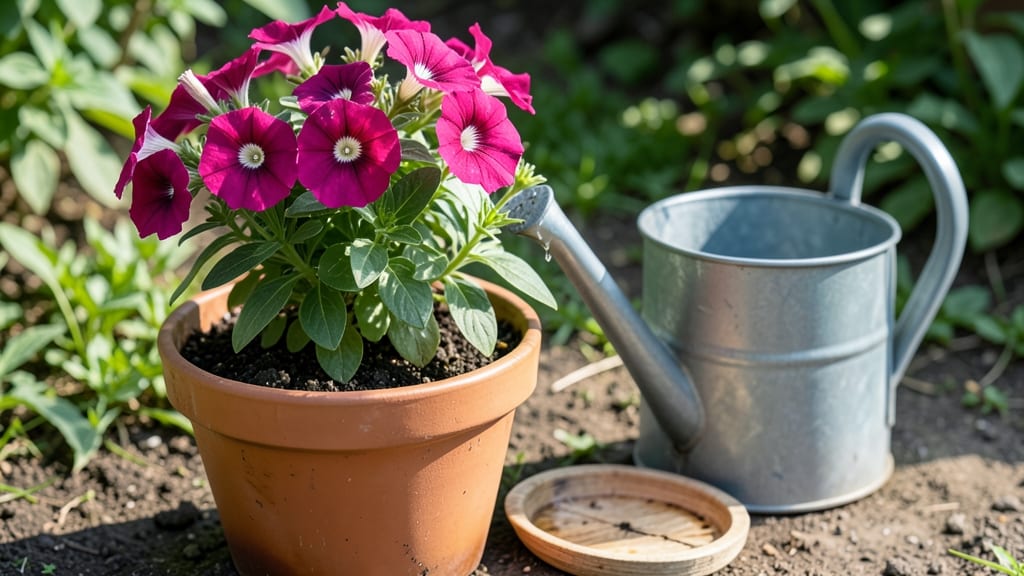
Watering potted flowers the right way means checking soil moisture—not guessing—because overwatering kills more plants than drought, and most gardeners get it wrong.
Overwatering kills more potted flowers than underwatering—but most gardeners guess instead of using the foolproof soil-check method that saves time and keeps roots healthy.
This simple technique takes just 10 seconds per plant and eliminates the guesswork: stick your finger an inch deep into the soil. If it feels dry, water thoroughly until it drains from the bottom.
Below, I’ll break down how often to water based on your plant type, pot size, and climate—plus how to spot the early signs of over- or under-watering before it’s too late.
The perfect soil check method to determine when potted flowers need water
Skipping the guesswork and checking your potted flowers' soil moisture is the secret weapon against root rot and thirsty plants. I’ve learned that overwatering is the #1 killer of container-grown blooms, yet most gardeners water on a schedule—not based on what their plants actually need.
The finger-dip test is my go-to method because it’s free, accurate, and works for every pot size and flower type.
Before you grab the watering can, understand that soil texture and pot material change the game. Clay pots dry out faster than terracotta, while tropical flowers like ferns demand consistent moisture compared to succulents that thrive on drought.
Here’s how to master the soil check and adjust for your specific plants.
Pro tip: Morning watering is ideal because it gives roots time to absorb moisture before evening humidity spikes. I’ve noticed my petunias wilt less when watered at 8 AM instead of 6 PM. For succulents, I water only every 2-3 weeks in summer and skip entirely in winter.
Watch for visual cues like drooping leaves (underwatered) or yellowing foliage (overwatered). My bromeliads always perk up after a deep drink, while African violets wilt dramatically if I forget their weekly check. Adjust your routine based on your local climate—humid areas need less frequent watering than dry, windy spots.
If your potted flowers are new to you, spend a week observing their soil moisture patterns. Keep a watering journal with notes like “Geraniums: water every 4 days in July” to avoid repeating mistakes.
I learned the hard way that overwatering turns my calatheas into sad, brown-leaved ghosts!
For heavy bloomers like impatiens or begonias, aim for consistent moisture—never let them dry out completely. These thirsty beauties reward you with nonstop flowers when you keep their soil evenly damp. On the flip side, lavender and rosemary in pots beg for drought-like conditions to thrive.
Remember: Drainage holes are non-negotiable. If your pots lack them, add a layer of pebbles at the bottom to mimic natural drainage. I’ve saved multiple peperomia plants by upgrading their pots to ones with holes—root rot is a silent killer, and prevention is easier than revival.
Now that you’ve mastered the soil check, your potted flowers will thrive year-round, no more guesswork. Grab a notebook, track your plants’ needs, and soon you’ll have a green thumb that’s the envy of the neighborhood! 🌸
How often to water common potted flowers: a seasonal watering schedule
Watering potted flowers isn't one-size-fits-all—your petunias might need daily hydration while your orchids thrive on weekly watering. The key lies in understanding each plant's natural moisture needs, adjusted for your local climate and seasonal shifts.
I’ve tested these schedules with my own collection, and the difference between guesswork and science-backed care is dramatic. Let’s break down the ideal watering frequency for your most popular potted blooms.
First, remember that pot size and material matter just as much as plant type. A 6-inch terracotta pot dries out faster than a 12-inch ceramic planter, while plastic containers retain moisture longer.
Pair this with your local humidity levels—dry air in winter means more frequent checks, while summer heat demands deeper watering. Below, I’ve organized the most common potted flowers by their watering needs, including adjustments for blooming stages and seasonal changes.
Notice how blooming plants like petunias and geraniums demand more frequent watering during their peak seasons? That’s because their energy output (producing flowers) requires consistent moisture. In contrast, succulents and orchids store water differently—overwatering them is far riskier than underwatering.
Pro tip: During summer heatwaves, I move my potted flowers to shadier spots and water early in the morning to prevent evaporation and fungal growth.
Adjust these schedules based on your local environment. For example, if you live in Arizona’s dry climate, your ferns might need daily misting even in winter, while Pacific Northwest gardeners can stretch watering intervals thanks to higher humidity.
Always pair this schedule with the soil-check method—stick your finger 1-2 inches deep; if it feels dry, it’s time to water. If it’s still damp, wait another day.
One final rule: Never water on a schedule alone. Observe your plants’ leaf color, stem firmness, and growth rate—these are better indicators than a calendar. For instance, wilting leaves in the morning signal thirst, while yellowing foliage often means overwatering.
With these adjustments, your potted flowers will stay vibrant and healthy all year round. 🌸