
Watering
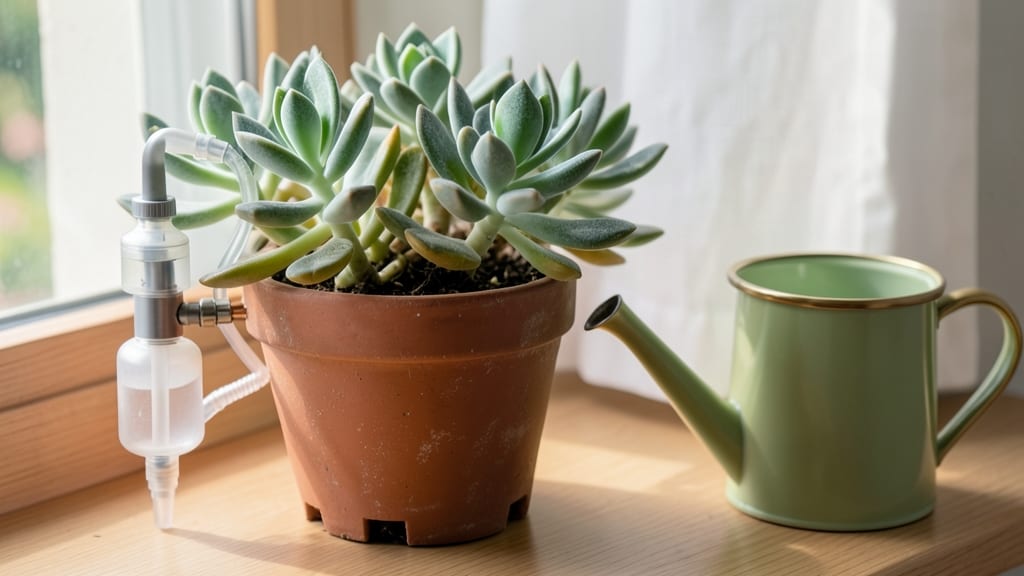
Learn how to water potted plants automatically so your balcony thrives without the guesswork—here’s what I’ve tested to keep them hydrated (and swamp-free). ✨ The right setup keeps roots happy while you’re at work, on vacation, or just forgetful (no judgment).
The simplest systems cost under $20 and last years, while smart options sync with your phone. You’ll need basic tools (a drill, tubing, or pre-made kits) and about 30 minutes to set up. The payoff? Plants that stay consistently moist without overwatering, even when you’re not around.
Once installed, these systems run quietly in the background, adjusting for your plants’ needs. My snake plant thrives on neglect, but my ferns demand precision—automatic watering bridges that gap perfectly. Just avoid common pitfalls like overfilling reservoirs or clogged emitters.
Works for herbs, succulents, or tropicals—just match the system to your plants’ thirst levels. Let’s get your greenery on autopilot!
📚 In This Guide
- What you need
- Instructions
- Tips and common mistakes
- Wrapping up and next steps
What you need
- ● Automatic watering system kit – Choose a drip irrigation, self-watering planter, or smart watering timer (e.g., Blumat, Orbit B-Hyve, or a DIY setup with tubing).
- ● Water reservoir – A 5-gallon bucket or large container (clean, food-grade plastic preferred).
- ● Tubing – ¼-inch to ½-inch diameter (vinyl or flexible irrigation tubing, 10–20 feet depending on setup).
- ● Emitters or drippers – Adjustable or fixed flow (1–2 per pot, depending on size).
- ● Timer or controller – A mechanical timer (e.g., Orbit B-Hyve) or smart plug/timer (Wi-Fi-enabled for remote control).
- ○ Water filter or mesh screen – Prevents clogs (optional but recommended).
- ● PVC connectors or T-fittings – For branching tubing (if watering multiple pots).
- ● Drill or hole punch – To create drainage holes in the reservoir lid (if needed).
- ● Moisture sensors – For smart systems (e.g., Blumat or Rachio).
- ● Battery pack or solar panel – For off-grid power (if no outlet access).
- ● Water-soluble fertilizer – To boost plant nutrition while watering.
- ● Insulating foam – To protect tubing from freezing in cold climates.
- ● Decorative planters with built-in reservoirs – For a sleek, hidden setup.
Step-by-Step instructions for automating potted plant watering
Here's the foolproof system I use to keep my patio plants thriving without daily watering.
💧 Step 1: Choose the Right Automatic Watering System
For 4 plants, I recommend a self-watering planter system or drip irrigation kit with a timer. The self-watering planter has a reservoir at the bottom that feeds water through a wick to the soil—perfect for herbs and small plants. For larger pots, a drip irrigation kit with a 1-gallon water reservoir and adjustable emitters works best.
Check your plants' needs first. Succulents and cacti need dry soil between waterings, so a capillary mat system with infrequent watering works better. Most leafy plants like ferns or pothos prefer consistent moisture, so the reservoir system is ideal. Place the reservoir in a shady spot to prevent algae growth.
🪴 Step 2: Set Up Your System for Consistent Moisture
If using a self-watering planter, fill the reservoir with room-temperature water until it reaches the marked fill line (usually halfway up the pot). The wick will slowly draw water up as the soil dries. For drip irrigation, attach the emitters to the main line and bury them 1 inch deep near the plant's root zone. Adjust the flow rate so water drips 1-2 times per hour during the day.
Test the setup by running it for 24 hours without plants. Check for leaks, uneven water distribution, or puddles forming. You'll know it's working right when the soil stays evenly moist but not soggy. If water pools at the bottom, adjust the emitter flow or add a small layer of gravel for drainage.
⏰ Step 3: Program the Timer for Your Plants' Needs
Most automatic systems come with a 24-hour timer. For leafy plants, set it to run twice daily—once in the early morning (6-8 AM) and once in the late afternoon (4-6 PM). This mimics natural rainfall patterns and prevents fungal issues from overnight moisture. For succulents, reduce to once daily or every other day depending on heat levels.
Watch your plants for 3 days after setup. If leaves start yellowing or wilting, adjust the timer to run 10-15 minutes longer per cycle. Overwatering is just as harmful as underwatering—you'll know it's perfect when the top inch of soil feels slightly damp but not wet to the touch.
🌿 Step 4: Monitor and Adjust for Seasonal Changes
Every 2-3 weeks, check the soil moisture manually by sticking your finger 1 inch deep. In summer, you may need to increase watering frequency by 20-30% due to higher evaporation. In winter, reduce it by half since plants grow slower and need less water. Adjust the timer accordingly—most systems allow 5-minute increments for fine-tuning.
Here's the thing—automatic systems aren't foolproof. If you notice white crust on the soil, it's mineral buildup from hard water. Flush the system by running clean water through it for 5 minutes once a month. Also, remove dead leaves regularly—they trap moisture and invite pests.
✂️ Step 5: Maintain and Troubleshoot Common Issues
Clogged emitters are the #1 problem with drip systems. Clean them monthly by soaking in white vinegar for 10 minutes and rinsing with water. For self-watering planters, refill the reservoir every 2 weeks or when it's empty. If water stops flowing, check the wick for blockages—rinse it under warm water if needed.
If your plants still look thirsty, the issue might be evaporation. Move pots to a shadier spot or add a lightweight mulch like straw to retain moisture. Real talk: even the best system needs occasional manual checks. I like to water by hand once a month just to keep an eye on root health and adjust as needed.
Tips & tricks for perfect automatic plant watering systems
Here's what I've learned after keeping my patio plants thriving with zero daily effort.
System Selection: The choice between a self-watering planter and drip irrigation depends on your plants. For herbs or leafy greens like pothos, the reservoir system works best because it maintains consistent moisture. For larger pots or succulents, drip irrigation gives you more control over water distribution. I always check the plant labels first—succulents need dry soil between waterings, so a capillary mat system is perfect for them.
Test Before Trusting: That 24-hour test run in Step 2 is non-negotiable. I've seen too many people skip this and end up with soggy soil or leaks. After running the system without plants, I check for even moisture distribution—no puddles at the bottom, no dry spots near the edges. If you notice water pooling, add a small layer of gravel to improve drainage before adding plants.
Seasonal Adjustments: The 20-30% increase in summer frequency is critical—evaporation rates can double in hot weather. I set a reminder every 2-3 weeks to check soil moisture manually. In winter, I reduce watering by half since plants grow slower. Most timers allow 5-minute increments, so you can fine-tune without buying a new system. A quick finger test (1 inch deep) tells you everything you need to know.
Maintenance Matters: Clogged emitters are the silent killer of drip systems. I keep a small bottle of white vinegar on hand to soak emitters monthly—just 10 minutes in vinegar followed by a good rinse keeps them flowing freely. For self-watering planters, I refill the reservoir every 2 weeks or when it's empty. This prevents algae growth and ensures your plants always have fresh water.
Pro Tips for Water Potted Plants Automatically
- Here's what I've learned after keeping my patio plants thriving with zero daily effort.
- System Selection: The choice between a self-watering planter and drip irrigation depends on your plants.
- Test Before Trusting: That 24-hour test run in Step 2 is non-negotiable.
Frequently asked questions
about automating your potted plant watering—because even the greenest thumbs have questions! Here are answers to the most common ones to help you set up a foolproof system.How often should I set the timer for automatic watering?
It depends on your plants and climate! Most potted plants need water every 2–7 days in warm weather, but tropical plants (like ferns) may need daily checks. Start with a 3–4 day interval and adjust based on soil moisture—stick your finger in the top inch; if it’s dry, extend the timer.
Can I use a DIY automatic waterer with all types of plants?
Not all plants thrive with the same setup! Succulents and cacti () need rare, deep watering—opt for a slow-release system or manual checks. For herbs, veggies, and flowers, most automatic systems work great. Orchids and air plants? Stick to misting or manual watering—they’re picky!
What if my plants look wilted even with automatic watering?
Wilt can mean overwatering or underwatering. Check the soil:
- Mushy roots or foul smell = too much water (reduce timer frequency or improve drainage).
- Dry, crispy leaves = not enough water (increase timer intervals or check for clogs in the system).
Are there affordable alternatives to expensive automatic waterers?
Try these budget-friendly hacks:
- DIY wick system: Place a wick (cotton rope) from a water reservoir to the pot.
- Recycled plastic bottles: Poke holes in a bottle, bury it near the plant, and fill it with water.
- Self-watering planters: Repurpose containers with a water tray at the bottom.
Can I use automatic waterers in cold weather?
Most systems stop working below 40°F (4°C)—water freezes, and pumps/timers fail. For winter:
- Move potted plants indoors or to a garage/shed.
- Use a manual watering can or heated watering system for sensitive plants.
- Wrap pots in bubble wrap to insulate roots.
Wrapping up and next steps
Automating your potted plants’ watering routine isn’t just convenient—it’s a game-changer for keeping your greenery thriving with minimal effort.
Whether you opt for DIY solutions like wicks or self-watering pots or invest in smart systems, the key is choosing what fits your plants’ needs and your lifestyle. Now’s the perfect time to upgrade your care routine!
🌱 Your Next Step:
- Pick a system that matches your plants and space.
- Gather supplies and set up your setup today!
- Watch your plants flourish while you enjoy the freedom of a set-it-and-forget-it system.