
Orchid Care
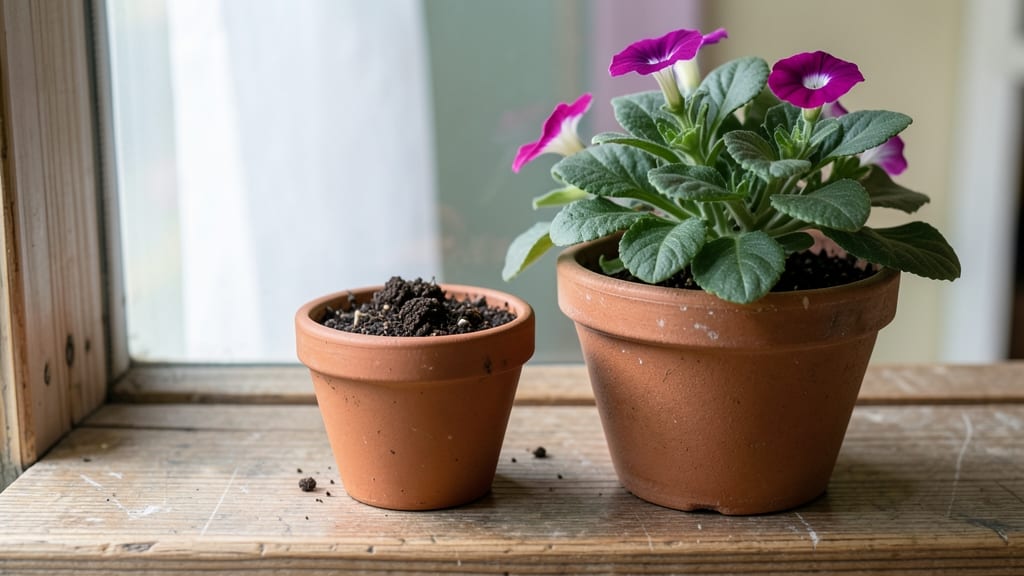
Is there a difference between potting soil and potting mix that could mean the difference between thriving and struggling orchids? 🌱 The confusion comes down to one key difference: drainage and aeration.
Potting soil is heavier, holds moisture longer, and can suffocate delicate orchid roots, while potting mix is designed to let air and water flow freely—critical for epiphytes like orchids that hate soggy conditions.
Potting soil often contains peat, compost, and perlite, but it’s packed with organic matter that breaks down quickly, leaving roots hungry. Potting mix, on the other hand, blends bark, charcoal, and sphagnum moss to mimic the orchid’s natural habitat—light, airy, and nutrient-sparse but well-draining.
For orchids, the right mix isn’t just about growth; it’s about survival.
If you’ve ever seen orchid roots turn mushy or leaves yellow, it’s likely a drainage issue. A proper potting mix keeps roots oxygenated, prevents rot, and encourages those vibrant blooms you’re after.
The payoff? Healthier plants, fewer dead zones in the pot, and a system that mimics what orchids crave in the wild.
For orchids specifically, skip the generic potting soil—it’s a recipe for disaster. Instead, opt for a specialized orchid mix (or DIY with fir bark and perlite) to keep your plants happy year-round. Your orchids will thank you with stronger growth and longer-lasting blooms.
The first product explained
Meet Miracle-Gro Indoor Potting Mix—your orchid’s dream starter! 🌸✨ This premium blend is specifically designed for houseplants, including orchids, and is a favorite among beginners and seasoned plant parents alike. Let’s dive into why this mix is a game-changer for your orchid collection.
📏 Specs & Features
This potting mix is packed with orchid-approved ingredients to ensure your plants thrive:
- Lightweight & airy texture: Made with bark, peat moss, and perlite to promote airflow and prevent root rot.
- Moisture control: Holds just the right amount of water without becoming soggy—critical for orchids!
- Slow-release fertilizer: Includes nutrients to give your orchids a steady boost over time.
- pH-balanced: Designed to mimic natural orchid habitats for optimal growth.
- Sterilized & weed-free: No surprises—just pure, clean growing medium.
🎯 Target Users
Who’s this mix perfect for?
- Orchid beginners: Easy to use, forgiving formula that helps new growers avoid common mistakes.
- Busy plant parents: The slow-release fertilizer means less frequent feeding.
- Small-space gardeners: Compact bags (available in 8 qt and 18 qt sizes) fit easily in apartments or greenhouses.
- Orchid enthusiasts: A reliable, high-quality base for phalaenopsis, dendrobium, and other common orchid types.
💰 Price Point & Value
Priced affordably for the quality it delivers, Miracle-Gro Indoor Potting Mix typically ranges between $6–$12 depending on the bag size. For the price of a fancy coffee, you’re getting a premium, orchid-specific mix that saves time, reduces stress, and keeps your plants happy.
Plus, it’s widely available at garden centers, Home Depot, Lowe’s, and online retailers.
Pro Tip: 💡 For orchids, always pair this mix with a well-ventilated pot (like slotted or plastic containers with drainage holes) to maximize airflow and prevent moisture buildup.
The second product explained
Meet Miracle-Gro Indoor Potting Mix—your orchid’s dream partner! 🌸 This premium blend is specifically engineered to give your delicate orchids the perfect growing environment, whether they’re perched on a shelf, hanging in a basket, or gracing your coffee table. Let’s dive into what makes this mix a favorite among orchid enthusiasts.
✨ Key Specs & Features
Miracle-Gro Indoor Potting Mix is a soilless, peat-based blend designed to mimic the natural aeration and moisture retention orchids crave. Here’s why it stands out:
- Lightweight & Fluffy: Made with sphagnum peat moss, perlite, and vermiculite for optimal drainage and airflow—critical for orchid roots that need to "breathe."
- Balanced Nutrition: Includes slow-release fertilizer (12-4-8) to nourish orchids over time, reducing the need for frequent feeding.
- pH-Balanced: Formulated to stay in the ideal 5.5–6.5 range, perfect for orchids like Phalaenopsis, Cattleyas, and Dendrobiums.
- Moisture-Wicking: Retains just the right amount of moisture without sogginess, preventing root rot—a common orchid killer.
- Sterile & Pest-Free: Heat-treated to eliminate weeds, fungi, and insects, giving your orchids a clean slate to thrive.
🎯 Who’s It For?
This mix is a game-changer for:
- 🌱 Orchid Beginners: Easy to use—just repot and water! No guesswork about soil composition.
- 🏡 Indoor Gardeners: Ideal for orchids grown in pots, baskets, or even mounted on slabs (with a little extra moisture care).
- 🌿 Busy Plant Parents: The built-in fertilizer means fewer supplements and more time admiring your blooms.
- 🔬 Orchid Collectors: Works well for a variety of orchid types, including popular hybrids and tropical species.
💰 Price Point & Value
Priced at $6.97 for a 8-quart bag (or around $0.87 per quart), this mix offers exceptional value. Compared to generic potting soils, it’s a small investment for:
- 🌟 Long-term orchid health (fewer repotting headaches!).
- 💡 Time saved on amending soil or hunting for the right ingredients.
- 🌱 Peace of mind knowing your orchids have the perfect growing medium.
Pro Tip: 💡 For orchids that love extra aeration (like Vandas or Cattleyas), mix in 30% bark or charcoal to boost drainage. This mix is already a great base—just tweak it to match your orchid’s personality!
Head-to-head comparison
When it comes to nurturing your orchids, the choice between potting soil and potting mix can feel like a puzzle—especially if you're just starting out! 🌺 While both seem like they’d do the job, they’re actually designed with different goals in mind.
Let’s break it down in a side-by-side comparison to help you decide which one is the best fit for your orchid’s unique needs.
🌱 Performance: How They Support Your Orchids
Orchids are fussy about their growing conditions, and the medium you choose plays a huge role in their health. Here’s how potting soil and potting mix stack up:
| Factor | Potting Soil | Potting Mix |
|---|---|---|
| Drainage | ❌ Often too dense, leading to waterlogging and root rot. Garden soil can compact over time, suffocating roots. | ✅ Designed for excellent drainage—typically made with bark, perlite, charcoal, or sphagnum moss to mimic orchid habitats. |
| Aeration | ❌ Poor airflow can trap moisture, inviting fungal diseases. | ✅ Lightweight and airy, allowing roots to breathe and preventing soggy conditions. |
| Nutrient Retention | ✅ May hold more nutrients if amended with compost, but can also leach quickly. | ⚠️ Usually low in nutrients—orchids thrive on minimal feeding, so this isn’t a downside! |
| pH Balance | ⚠️ Often neutral to slightly alkaline, which may not suit orchids (they prefer acidic conditions). | ✅ Typically acidic (pH 5.5–6.5), ideal for orchids like Phalaenopsis or Cattleyas. |
💡 Pro Tip: If you’re repotting orchids, never use garden soil or potting soil straight from the yard. Orchids need a specialized mix to thrive!
🛒 Price: What You’ll Pay for the Difference
Budget matters, and the cost difference between these two can be surprising. Here’s the breakdown:
- Potting Soil:
- 💰 Cheaper—typically $3–$8 per bag (2–4 cubic feet).
- ⚠️ But not cost-effective for orchids—you’ll likely need to repot sooner due to poor drainage.
- Potting Mix:
- 💰 More expensive—$8–$15 per bag (1–2 cubic feet), but lasts longer and reduces long-term costs.
- ✅ Worth the investment for orchids, as it prevents root rot and promotes healthier growth.
💡 Pro Tip: Buy potting mix in smaller bags if you’re just starting—orchids don’t need a ton at once, and mix quality degrades over time when exposed to air.
⏳ Durability: How Long They Last
One of the biggest differences? How long each medium holds up under orchid care. Let’s compare:
| Factor | Potting Soil | Potting Mix |
|---|---|---|
| Decomposition | ❌ Breaks down quickly, especially if compost-heavy. Can become compacted in 6–12 months. | ✅ Slow to decompose—bark and charcoal last years, maintaining structure. |
| Moisture Retention Over Time | ❌ Loses aeration as it compacts, trapping moisture and risking rot. | ✅ Stays fluffy—even after years, it drains well if not overwatered. |
| Repotting Frequency | ❌ May need repotting every 6–12 months due to degradation. | ✅ Can last 2–3 years (or longer) with proper care. |
💡 Pro Tip: If you’re using potting soil, mix in perlite or orchid bark to improve drainage—but it’s still not ideal for orchids long-term.
🔧 Features: What’s Inside the Bag?
Not all potting mixes are created equal—and neither is potting soil. Here’s what you’re really getting:
- Potting Soil:
- 🌿 Usually contains garden soil, compost, and peat moss (or coconut coir).
- ❌ No bark, charcoal, or sphagnum moss—key ingredients for orchids.
- ⚠️ May include fertilizers, which can burn orchid roots if overused.
- Potting Mix (Orchid-Specific):
- 🌳 Bark (fir or pine) for structure and aeration.
- 🔥 Charcoal to prevent bacteria and odors.
- 💧 Sphagnum moss for moisture retention (but still drains well).
- ✨ Perlite or vermiculite for extra airflow.
💡 Pro Tip: Check the label! A good orchid mix will list bark, charcoal, and moss as primary ingredients. Avoid mixes with peat moss only—they dry out too fast.
🌡️ Environmental Impact: Sustainability Factors
If eco-friendliness is on your radar, here’s how these two compare:
- Potting Soil:
- ⚠️ Often contains peat moss, which is non-renewable and harms wetlands.
- 🌱 Some brands use coconut coir (a sustainable alternative), but it’s less common in budget soils.
- Potting Mix:
- ✅ Bark and charcoal are renewable resources if sourced responsibly.
- 🌿 Sphagnum moss can be sustainably harvested, but avoid mixes with harvested peat.
- 🔄
Which one should you choose?
So, which should you choose for your orchids? 🌸 The answer depends on your specific needs, budget, and the type of orchids you’re growing. Here’s a clear verdict to help you decide:
🌱 For Beginners or Budget-Friendly Growing
If you’re new to orchid care or want a cost-effective option, potting soil is a great starting point. It’s affordable, widely available, and often includes basic nutrients.
Just be mindful of its heavier texture—amend it with perlite or bark to improve aeration. Pro tip: 💡 Look for soil labeled "orchid-friendly" or "mix-based" to avoid pure garden soil, which can compact and suffocate roots.
🌿 For Advanced Growers or High-Value Orchids
If you’re growing Phalaenopsis, Cattleyas, or Vandas—or if you’re serious about orchid competition—potting mix is the gold standard. Its lightweight, airy composition mimics the orchid’s natural epiphytic habitat, reducing rot and promoting faster growth.
Invest in a bark-based mix (like fir or pine) and customize it with charcoal and sphagnum moss for optimal results. Pro tip: ✨ Repot every 1–2 years to refresh the mix and prevent nutrient depletion.
🔄 For Hybrid or Experimental Growing
Why choose one when you can DIY your mix? Combine elements of both! Start with a base of orchid bark or coconut coir, then add perlite, charcoal, and a handful of potting soil for moisture retention.
This hybrid approach gives you control over texture, drainage, and nutrition—perfect for rare or finicky orchid varieties. Pro tip: 🎯 Sterilize your mix with heat or hydrogen peroxide to kill pests before use.
💰 Quick Decision Guide
| Choose Potting Soil If... | Choose Potting Mix If... |
|---|---|
| You’re on a budget. | You want premium growth conditions. |
| You’re growing hardy orchids (e.g., Dendrobium). | You’re growing delicate or high-end orchids. |
| You’re willing to amend it yourself. | You prefer convenience and consistency. |
Ultimately, the "best" choice depends on your orchids’ needs. Start with what fits your skill level, then experiment as you grow! 🌱💚