
Container Gardens
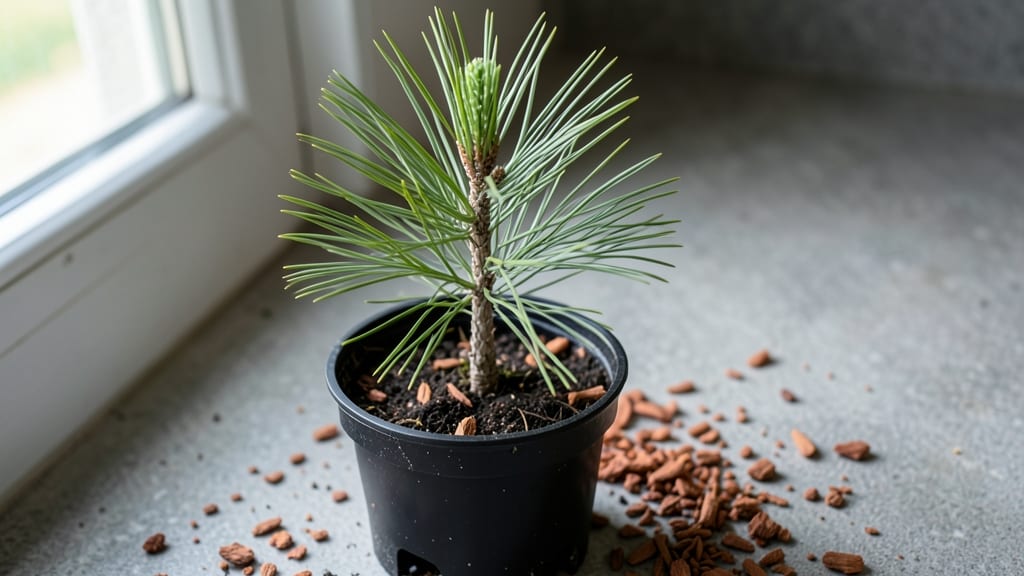
Pine bark fines in potting mix create the perfect airy foundation for roots that hate soggy feet. 🌱 I’ve used them to rescue struggling plants—from wilting ferns to root-bound succulents—by giving their roots the drainage and oxygen they crave without sacrificing moisture retention.
The secret lies in blending them right: too much, and your mix becomes too dry; too little, and you’re back to compacted soil. Start with a 50-50 mix of pine bark fines and peat moss or coconut coir for most containers, then tweak based on your plants.
For succulents and cacti, bump the bark fines to 60-70% for that ultra-drainage boost, while ferns and vegetables thrive with 40-50% bark fines mixed with compost. The key? Fluffiness—your mix should feel like a cloud, not a brick.
By the end, you’ll have a blend that keeps roots happy and hydrated without the risk of rot. The texture stays light even as it breaks down, and your plants will reward you with stronger stems and more vibrant growth. Best of all?
This mix works for indoor pots, outdoor planters, and even hanging baskets. Fair warning: pine bark fines don’t hold nutrients like soil, so pair them with compost or slow-release fertilizer. And if your mix smells musty after watering, it’s time to refresh—fresh bark fines keep things fresh and fungus-free.
Why Bark Breaks Down Too Fast
Pine bark fines—those tiny, crumbly bits of decomposed bark—are a gardener’s secret weapon for improving drainage and aeration in potting mixes. But why do they sometimes break down or compact faster than expected?
Understanding the root causes (literally!) helps you extend their lifespan and keep your plants thriving. Let’s dig into the science behind it.
Pine bark fines are organic, which means they’re a buffet for soil microbes—bacteria, fungi, and other decomposers. When these microbes feast on the bark, they break it down into simpler compounds, like humus.
But if your mix is too rich in nitrogen (from fertilizers, compost, or manure), microbes go into overdrive, consuming the bark fines faster than they should.
What you can do:
- Balance your mix with a slow-release fertilizer (like osmocote) instead of quick-release options.
- Reduce compost additions—stick to 10% or less by volume in your potting mix.
- Test your soil for microbial activity. If it’s overly active (smells sweet or musty), adjust with perlite or coarse sand to slow decomposition.
Pine bark fines are meant to improve drainage, but if your potting mix stays chronically soggy, the fines can become waterlogged. In saturated conditions, anaerobic microbes (those that thrive without oxygen) take over, accelerating decomposition.
Worse, the bark fines lose their structure, compacting into a dense, clumpy mess that suffocates roots.
What you can do:
- Ensure proper drainage in containers—use pots with drainage holes and elevate them on saucers or feet.
- Avoid overwatering. Stick your finger in the mix: if the top 1–2 inches are damp, wait before watering again.
- Add structural amendments like perlite, pumice, or coarse vermiculite (20–30% of the mix) to prevent compaction.
High temperatures speed up microbial activity, turning pine bark fines into mulch-like material in record time. If your potting mix is exposed to direct sunlight (especially in greenhouses or outdoor planters), the fines can dry out and crack, making them easier prey for decomposers.
Even worse, UV rays can break down lignin (the tough, woody compound in bark), weakening its structure.
What you can do:
- Shade your containers during peak sun hours (10 AM–4 PM) with shade cloth or a lightweight row cover.
- Use a mulch layer (like straw or wood chips) on top of the mix to insulate and retain moisture without overheating.
- Store bark fines in a cool, dry place if pre-mixing batches for later use.
Pine bark fines work best when they’re part of a balanced blend. If your potting mix is too heavy on fines (e.g., 50%+ bark) with little structural support, they’ll compact and break down faster.
Think of it like a cake recipe—too much flour (fines) without enough eggs (perlite) or sugar (peat moss) leads to a dense, crumbly disaster.
What you can do:
- Follow a proven recipe, like this lightweight loam blend:
| Component | Percentage | Purpose |
|---|---|---|
| Pine bark fines | 30–40% | Drainage, aeration |
| Perlite or pumice | 20–30% | Prevents compaction |
| Peat moss or coconut coir | 20–30% | Moisture retention |
| Compost or worm castings | 10% | Nutrients (sparingly!) |
- Avoid "bark-heavy" mixes for moisture-loving plants (like ferns or calatheas)—opt for more peat or coir instead.
- Adjust for plant type: Succulents and cacti need more bark fines (50–60%) with minimal peat, while tropicals thrive in a softer, peat-rich mix.
Before using pine bark fines, perform a quick texture test: 1. Grab a handful and squeeze it—if it crumbles instantly, it’s fresh and will last longer. 2.
If it sticks together like wet sand, it’s been over-processed or contaminated with moisture, meaning it’ll decompose faster. Solution: Store fines in a dry, breathable bag (like a burlap sack) and use them within 6 months for best results.
By tackling these common culprits, you’ll keep your pine bark fines fluffy, functional, and long-lasting—giving your container plants the drainage-driven roots they deserve! 🌱🔥
Fixing Common Potting Mix Issues
If your potting mix—especially one with pine bark fines—isn’t performing as expected, don’t panic. Most problems have simple, practical fixes. Below, we’ve mapped common issues to their solutions, along with prevention tips to keep your mix (and plants) thriving. 🌱
Cause: Too much fines or poor aeration traps moisture, suffocating roots.
How to Fix It:
- 🔄 Fluff and aerate: Gently loosen the mix with a fork or chopsticks (for small containers) to break up clumps.
- ➕ Add bulk: Mix in 10–20% perlite, vermiculite, or coarse sand to improve drainage.
- 💧 Adjust watering: Let the top inch dry between waterings to prevent sogginess.
Prevention Tips:
- ✨ Use a 50/50 blend: Combine pine bark fines with coconut coir or peat moss for better structure.
- 🌡️ Monitor moisture: Stick your finger in the mix—if it’s damp after 24 hours, it’s holding too much water.
Cause: Pine bark fines break down slowly, leaching nutrients faster than expected.
How to Fix It:
- 🌿 Boost fertility: Add a slow-release fertilizer (like osmocote) or a balanced liquid feed (20-20-20) every 4–6 weeks.
- 🍂 Top-dress with compost: Sprinkle worm castings or compost tea on the surface for a nutrient boost.
Prevention Tips:
- 🎯 Pre-mix with compost: Blend 10–15% compost into your mix before planting.
- 📊 Test soil pH: Pine bark is acidic (pH 4.5–6.0). If plants show deficiency (yellow leaves), amend with lime (for alkaline-lovers) or sulfur (for acid-lovers).
Cause: Excess moisture + organic fines create a fungal party.
How to Fix It:
- 🔪 Trim affected areas: Remove moldy chunks and discard (don’t compost—it spreads spores).
- 💨 Improve airflow: Repot into a container with drainage holes or add a layer of gravel at the bottom.
- 🌡️ Sterilize tools: Wipe pruners with rubbing alcohol between cuts.
Prevention Tips:
- 💡 Bake your mix: Heat pine bark fines in an oven at 200°F (93°C) for 30 minutes to kill pathogens before use.
- 🍄 Use fungicide: Add 1 tsp of cinnamon or neem oil per gallon of mix as a natural preventative.
Cause: Fines clog pores, making water pool at the bottom.
How to Fix It:
- 🔄 Sift and refresh: Remove old mix and sift out fines, then rebuild with a chunkier blend (e.g., 30% fines, 50% bark chunks, 20% perlite).
- 🧽 Rinse containers: Clean pots with a 10% vinegar solution to remove mineral buildup.
Prevention Tips:
- 🌿 Layer drainage: Place a 1-inch layer of lava rock or broken terracotta at the bottom before adding mix.
- 🎯 Choose the right bark: Opt for "coarse" pine bark fines (¼-inch particles) instead of ultra-fine dust.
With these fixes, your potting mix should regain its light, airy charm—and your plants will thank you with lush, happy growth! 🌿 For long-term success, rotate mixes every 1–2 years to maintain balance.
Frequently asked questions
What’s the best ratio of pine bark fines to other components for a general potting mix?
A balanced blend starts with 30-40% pine bark fines for drainage, plus 20-30% perlite or pumice to prevent compaction, and 20-30% peat moss or coconut coir for moisture retention. Add just 10% compost—too much speeds up decomposition. For succulents, increase bark fines to 50-60%.
Can I reuse old pine bark fines from last year’s potting mix?
Reusing bark fines is fine if they still crumble easily and haven’t turned mushy. Sift out any broken-down pieces and mix with 20% fresh fines to maintain structure. Avoid reuse if the mix smells musty or feels dense—it’s time to refresh! Store unused fines in a dry, breathable bag for next season.
Why does my mix smell musty after adding pine bark fines?
A musty odor signals excess moisture or fungal activity. Let the mix dry completely between waterings, and add 10% perlite or coarse sand to improve airflow. For prevention, bake new bark fines at 200°F (93°C) for 30 minutes before mixing to kill pathogens. A sprinkle of cinnamon or neem oil also helps.
Are pine bark fines safe for acid-loving plants like blueberries or azaleas?
Yes! Pine bark fines are naturally acidic (pH 4.5-6.0), perfect for acid-loving plants. For extra insurance, test your mix’s pH and amend with elemental sulfur if needed. Avoid lime or wood ash—they raise pH too much. Pair with peat moss or pine needles for a more acidic blend.
How do I store pine bark fines to keep them fresh longer?
Store fines in a cool, dry place (like a garage or shed) in a breathable burlap sack or open container. Avoid plastic bags—they trap moisture and speed up decomposition. Use within 6 months for best results. If stored properly, they’ll stay light and crumbly, not clumpy.