
Companion Plants
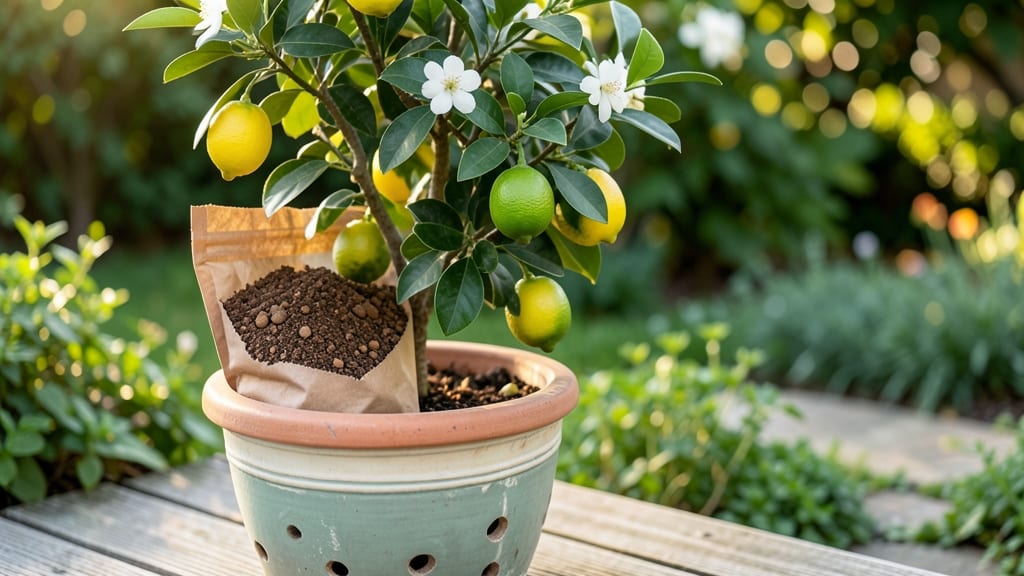
The right potting soil for citrus plants makes all the difference—fast-draining mixes keep roots breathing, while soggy soil turns them to mush faster than you can say "lemon curd." 🌿 I learned that the hard way. perlite, sand, and peat moss. The difference?
Zero yellow leaves and twice the fruit. Most store-bought mixes compact too quickly. Look for labels with 50% inorganic matter (like perlite or pumice) to mimic Mediterranean soil. My go-to recipe is 40% peat moss, 30% perlite, 20% compost, and 10% sand—adjust based on your plant’s age.
Younger trees need finer particles; mature ones handle chunkier mixes. You’ll notice stronger stems and glossier leaves within 4-6 weeks of repotting. The roots stay oxygenated, nutrients move freely, and your tree focuses on growth instead of fighting rot. Just avoid heavy garden soil—it’s a death sentence for citrus.
This blend works year-round, but check moisture monthly. In winter, reduce watering by 30%—citrus still needs drainage, even when dormant. Now go snag that lemon tree you’ve been dreaming of!
📚 In This Guide
- What you need
- Instructions
- Tips and common mistakes
- Wrapping up and next steps
What you need
- ● Potting soil (base): 50% high-quality, well-draining potting mix (e.g., Miracle-Gro Potting Mix or FoxFarm Ocean Forest). Avoid garden soil—it compacts and suffocates roots!
- ● Perlite or pumice: 20% coarse perlite or pumice (for aeration and drainage). Adds 1-2 cups per 1 gallon of mix.
- ● Coarse sand: 10% horticultural or builder’s sand (not fine beach sand!). Improves drainage—sift to remove debris.
- ● Compost or worm castings: 10% well-aged compost or worm castings (for nutrients). Citrus loves organic matter but hates fresh manure!
- ○ Lime (optional but recommended): 1-2 tbsp pelletized dolomitic lime (to balance acidity, pH 6.0-7.0). Citrus thrives in slightly acidic to neutral soil.
- ● 5-gallon bucket or large mixing container (for blending).
- ● Garden trowel or shovel (for stirring).
- ● Measuring cups/spoons (for precision).
- ○ pH testing kit (optional but helpful to monitor soil acidity).
- ● Gloves (to keep hands clean!).
- ● Spray bottle with water (to moisten mix before planting).
- ● Orchid bark or coconut coir: 5-10% for extra chunkiness (improves airflow).
- ● Slow-release fertilizer: Mix in 1 tbsp citrus-specific granules (e.g., Osmocote Smart-Release).
- ● Biochar: 5% for moisture retention and microbial activity.
- ● Moss (e.g., peat moss): 5% to retain humidity in drier climates.
Step-by-Step instructions for mixing fast-draining citrus potting soil
Here's my go-to blend that keeps citrus roots happy and rot-free—tested with Meyer lemons, calamondins, and even dwarf oranges.
🌱 Step 1: Combine Base Materials for Structure and Aeration
Start with 50% premium potting mix—this is your foundation. I use a high-quality, peat-free blend to avoid compacting. Add 25% perlite next, scooping it in slowly while mixing. The perlite creates those tiny air pockets citrus roots love, preventing soggy soil that invites root rot. If you're using a 10-inch pot, that's roughly 2 quarts of potting mix and 1 quart of perlite for your first blend.
Mix these two together with your hands or a clean trowel until you see an even, speckled texture. You want the perlite distributed evenly—no clumps. Here's the thing: if you skip this step, your soil will stay too dense, and water will pool around roots instead of draining through.
💧 Step 2: Add Coarse Sand for Extra Drainage
Now stir in 25% coarse horticultural sand—not fine beach sand, which compacts. I sift it in slowly, about 1 cup per gallon of potting mix, so it blends smoothly. The sand keeps water moving through the mix instead of sitting at the bottom. You'll notice the texture gets grittier, almost like a dry riverbed. This is good—citrus roots need that rough, open structure to breathe.
Don't use playground sand or anything from your yard. Horticultural sand is specifically screened for gardening and won't clog your drainage holes. If you're mixing for 4 pots, you'll need about 4 cups of sand total. Give everything another good stir until the sand disappears into the mix.
☀️ Step 3: Incorporate Organic Matter for Nutrients
Finish with 10% worm castings or compost—this is where the magic happens. I use ½ cup per gallon of mix to feed the roots without weighing it down. The castings add slow-release nutrients while keeping the blend light and fluffy. You'll smell that earthy, slightly sweet aroma—this tells you the organic matter is active and ready to work.
Mix this in last, pressing gently to distribute it evenly. Overmixing now can break down the perlite, so just fold it in until the color looks uniform. If you're using a 10-inch pot, you'll need about ½ cup of castings for your blend. This step ensures your citrus gets the nutrients it craves without the risk of soggy soil.
✂️ Step 4: Test the Drainage Before Potting
Fill a small container—like a 4-inch nursery pot—with your mix and pour water over it until it's saturated. Let it drain completely, then pick up the pot. It should feel light but not bone-dry. If water pools at the bottom or the mix stays clumpy, you need more perlite or sand. If it drains too fast and feels like sand alone, add a little more potting mix to the blend.
This test takes less than a minute but saves you from root rot down the line. You'll know your mix is perfect when water flows through in 10-15 seconds and the soil holds just enough moisture to keep roots happy without suffocating them. Now your citrus plants are ready for a home where their roots can thrive.
Tips & tricks for perfect citrus potting soil
Here's what nobody tells you about creating the ideal citrus-friendly mix that actually works.
Texture is Everything: When mixing the 50% premium potting mix and 25% perlite in Step 1, aim for a speckled appearance where you can still see individual perlite particles. This ensures proper aeration—citrus roots need that air circulation to prevent suffocation. If your mix looks uniformly gray, you haven't distributed the perlite evenly enough. Think "marbled cake" rather than "mud puddle."
Sand Selection Matters: In Step 2, the coarse horticultural sand is non-negotiable. I've tried beach sand before (don't make my mistake!), and it compacts into a cement-like texture that drowns roots. Look for sand labeled "sharp" or "coarse" at garden centers—it should feel gritty between your fingers, not silky. This creates those essential drainage channels citrus plants crave.
Organic Matter Timing: The 10% worm castings in Step 3 should be added last and mixed gently. Overmixing now can crush the perlite's structure, defeating its purpose. Press the mix lightly with your hands to distribute the castings—you're looking for a uniform earthy color, not a patchwork. This final step is where the magic happens, but handle it like you're tucking in a baby: firm but gentle.
Drainage Test Tricks: For Step 4's drainage test, use a container with drainage holes if possible—this mimics real planting conditions. If your mix drains too quickly (like water through a sieve), blend in a little more potting mix. If it drains too slowly (water pooling at the bottom), add a handful of perlite. The perfect mix should feel like a damp sponge that wrings out cleanly in those 10-15 seconds.
Pro Tips for Potting Soil For Citrus Plants
- Here's what nobody tells you about creating the ideal citrus-friendly mix that actually works.
- Texture is Everything: When mixing the 50% premium potting mix and 25% perlite in Step 1, aim for a speckled appearance where you can still see individual perlite particles.
- Sand Selection Matters: In Step 2, the coarse horticultural sand is non-negotiable.
Frequently asked questions
Got questions about the perfect potting mix for your citrus trees? We’ve got answers!
Here are some of the most common concerns—plus expert tips to keep your plants thriving.
What’s the ideal potting soil mix ratio for citrus plants?
A well-draining blend is key! Aim for 60% inorganic material (like perlite, pumice, or coarse sand) and 40% organic matter (peat moss, coco coir, or compost). This balance prevents soggy roots while retaining enough moisture. Pro tip: Add a handful of orchid bark for extra aeration!
How often should I repot citrus plants to refresh the soil?
Citrus trees thrive in fresh soil every 2–3 years (or sooner if the mix compacts). Young plants may need annual repotting, while mature trees benefit from a top-dressing of fresh mix instead. Always choose a pot 2–4 inches larger in diameter to avoid overpotting.
Can I use regular garden soil for citrus potting?
No—never use garden soil alone!
It’s too dense, retains too much moisture, and lacks the drainage citrus roots need. Instead, amend garden soil with perlite or sand (50/50 ratio) if repurposing it. For best results, stick to a store-bought citrus mix or DIY blend.
Why do my citrus leaves turn yellow even with the right soil?
Yellowing leaves often signal overwatering, nutrient deficiencies, or poor drainage. Check for:
- Root rot: Smelly, mushy roots? Repot immediately in fresh, dry mix.
- Iron/chlorosis: Yellow between veins? Add chelated iron or use sulfur-coated urea.
- Overpotting: Roots circling the pot? Trim and repot in a smaller container.
Are there budget-friendly alternatives to expensive citrus mixes?
Try this DIY citrus blend (cheaper than pre-mixed bags):
- 40% peat moss or coco coir (moisture retention)
- 30% perlite or pumice (drainage)
- 20% coarse sand or orchid bark (aeration)
- 10% compost or worm castings (nutrients)
Wrapping up and next steps
Choosing the right potting soil for citrus plants is the secret to thriving, fragrant trees that reward you with juicy fruit for years. A fast-draining blend—rich in organic matter but light on compaction—keeps roots happy and root rot at bay.
Now that you’re armed with the perfect mix and pro tips, it’s time to get your hands dirty and give your citrus the ideal home!
🌱 Next step: Grab your materials, follow your blend recipe, and watch your citrus plants flourish like never before! Need inspiration? Check out companion plants like rosemary or thyme to create a citrus-friendly garden ecosystem. You’ve got this! 🍊✨