
Pests
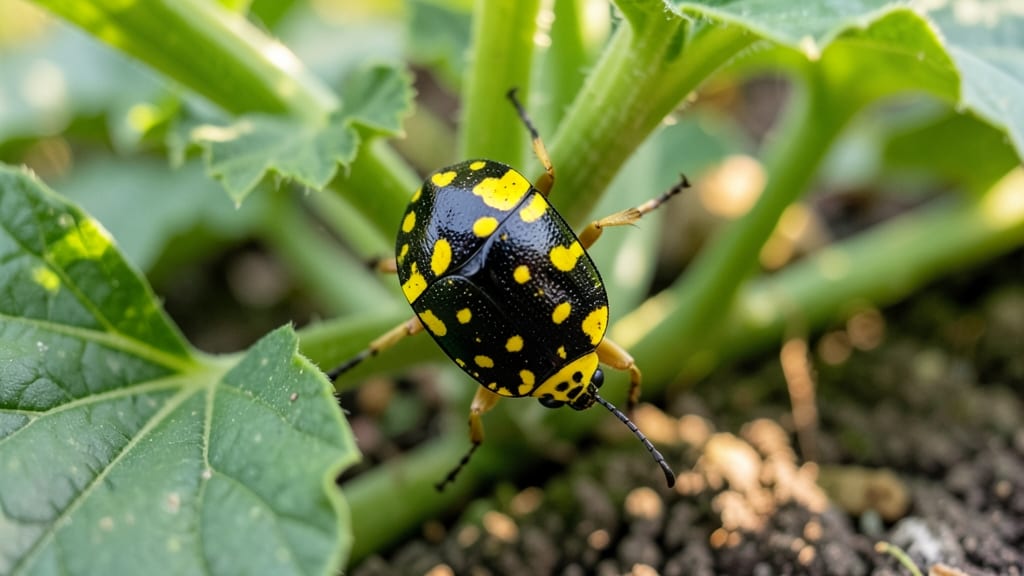
Those tiny black-and-yellow striped beetles are the fast-moving villains of cucurbit gardens. 🌱 I’ve lost entire squash plants to spotted cucumber beetles before they even set fruit—until I discovered these fast-acting barriers that stop them in their tracks before they cause real damage.
The second you spot their chewed leaves or silvery slime trails on vines, you’re already behind. These beetles don’t just munch—they spread bacterial wilt, a death sentence for cucumbers and melons.
The good news? Natural barriers like row covers, copper tape, and neem oil work faster than waiting for them to show up, and they’re safer for your plants (and pollinators) than chemical sprays.
Within 48 hours of setting up the right defenses, you’ll see fewer beetles, healthier leaves, and plants that actually produce. I’ve even saved late-season crops by acting early—no more wilted vines or bitter disappointment. The key is combining physical blocks with organic deterrents before the beetles get comfortable.
Works for squash, cucumbers, melons, and pumpkins—basically any plant these pests love. Here’s how to build your fast-response plan before they strike again.
The Real Culprits Behind Infestations
Understanding why these striped invaders show up in your garden starts with their biology and the environmental cues that trigger their arrival. These beetles don’t just appear randomly—they’re drawn to specific conditions that make your crops look like an all-you-can-eat buffet.
Let’s break down the key reasons they become a problem in the first place.
Spotted cucumber beetles (also called striped cucumber beetles) are specialized feeders, meaning they target specific plants in the Cucurbitaceae family. Their menu includes:
- Cucumbers (obviously!)
- Squash (summer, winter, and zucchini varieties)
- Melons (watermelon, cantaloupe, honeydew)
- Pumpkins and gourds
- Even some non-cucurbits like beans and corn, though they prefer the first five.
These beetles use volatile organic compounds (VOCs) emitted by healthy cucurbit plants to locate them from up to half a mile away. Once they land, they don’t just nibble—they chew leaves, flowers, and fruit, leaving behind jagged edges and silvery scars.
Worse, their feeding weakens plants, making them more susceptible to bacterial wilt, a deadly disease they spread.
These beetles are cold-sensitive but thrive in warm, sunny conditions. Here’s how temperature plays a role:
| Season | Why It Matters | Beetle Activity Level |
|---|---|---|
| Spring (50–60°F) | Beetles emerge from overwintering sites (weeds, leaf litter, or garden soil). | 🐞 Low (just waking up) |
| Late Spring/Early Summer (65–85°F) | Ideal temps trigger mating and egg-laying. Plants grow fast, attracting more beetles. | 🚀 High (peak activity) |
| Fall (Below 50°F) | Beetles seek shelter to survive winter. | 😴 Dormant |
Pro Tip: 🌡️ If you plant cucurbits too early in spring (before soil warms to 60°F), you risk attracting beetles before your plants have time to establish strong roots. Delay planting until after the last frost when soil is consistently warm.
Beetles don’t just fly in—they overwinter in your garden or nearby wild areas. Their survival strategy relies on:
- Wild cucurbits: Plants like wild cucumber (Echinocystis lobata) or buffalo gourd (Cucurbita foetidissima) act as beetle magnets and breeding grounds.
- Crop residue: Leftover vines, stems, or fallen leaves from last year’s garden provide egg-laying sites and shelter.
- Nearby fields or farms: If your neighbors grow cucurbits, their beetle populations can migrate to your garden.
💡 Actionable Fix: Remove all plant debris after harvest and till or mulch garden beds in fall to disrupt overwintering beetles. Also, pull wild cucurbits from fence rows or ditches within a quarter-mile of your garden.
Spotted cucumber beetles aren’t just plant destroyers—they’re pollen and nectar thieves. They’re attracted to:
- Yellow and white flowers: These colors mimic the blooms of their host plants.
- Early-blooming crops: Plants like peas, beans, or radishes can draw beetles away from cucurbits—but only if timed right.
- Weeds with open flowers: Dandelions, mustards, and chickweed provide feeding stops before they reach your veggies.
🎯 Smart Strategy: Plant trap crops like radishes or turnips near your cucurbit patch. Beetles will land on these first, giving you a chance to remove them by hand before they reach your prized crops.
Now that you know why these beetles crash your garden party, the next step is how to stop them in their tracks—without chemicals. Stay tuned for natural barriers that work fast! 🛡️
Beat Back Beetle Damage Fast
Now that you understand why those pesky striped invaders are wreaking havoc on your garden, it’s time to take action. The good news? You don’t need harsh chemicals to keep them at bay.
Below, we’ve broken down practical, nature-friendly fixes tailored to the root causes—whether it’s hungry larvae, adult beetles, or the diseases they spread. Follow these steps to reclaim your plants and prevent future attacks.
Larvae are the sneaky underground destroyers, chewing on roots and leaving plants weak and stunted. Here’s how to outsmart them:
🌱 Trap Cropping & Rotation - Plant sacrificial crops like radishes or turnips near vulnerable plants (cucumbers, squash, melons).
Beetles will go for these first, giving your main crops a head start. - Rotate crops annually—never plant cucurbits (squash family) in the same spot two years in a row. Larvae overwinter in the soil, so this starves them out over time.
🔪 Handpick & Destroy - Check soil moisture after rain—larvae rise to the surface.
Use a trowel to flip over soil near plants and drop them into soapy water (1 tbsp dish soap per gallon) to kill them instantly. - Pro tip: 💡 Do this in the early morning when they’re sluggish and easier to spot.
🌡️ Soil Treatments (Non-Toxic) - Beneficial nematodes (Heterorhabditis bacteriophora) are microscopic predators that hunt larvae.
Mix them with water and apply to soil in the evening (they avoid light). - Neem oil soil drench: Mix 1 tbsp neem oil + 1 tsp horticultural oil per gallon of water, then water the base of plants. Reapply every 7–10 days during outbreaks.
Adult spotted cucumber beetles are relentless feeders and disease carriers. Here’s how to evict them fast:
🛡️ Physical Barriers (Best for Young Plants) - Row covers: Use floating fabric row covers (made of lightweight polyester) over seedlings.
Secure edges with soil or bricks to block beetles while allowing pollination by bees (lift covers when flowers appear). - Collars for transplants: Wrap cardboard or aluminum foil collars around young cucumber/squash stems. Remove when plants are 3–4 inches tall.
👨🍳 Homemade Sprays (Safe & Effective)
| Ingredient | How to Use | Frequency |
|---|---|---|
| Neem oil spray | 1 tbsp neem oil + 1 tsp dish soap + 1 quart water. Spray early morning/evening. | Every 5–7 days |
| Garlic-chili spray | Blend 5 garlic cloves + 1 tbsp cayenne pepper + 1 quart water. Strain and spray. | Every 3–4 days |
| Beer trap | Fill a shallow dish with beer. Beetles drown in 24 hours. Refresh daily. | Place near garden edges |
🎯 Trap Crops & Timing
- Plant nasturtiums around the garden perimeter—beetles prefer them over cucurbits.
- Avoid planting cucumbers too early. Wait until soil temps are 60°F+ (beetles are less active in cool weather).
An ounce of prevention saves tons of damage. Build a beetle-proof garden with these long-term strategies:
🌿 Healthy Soil = Strong Plants
- Boost beneficial microbes with compost or worm castings. Healthy roots repel pests naturally.
- Mulch heavily with straw or grass clippings to disrupt beetle egg-laying and retain moisture.
🕵️♂️ Early Detection
- Inspect plants daily for chewed leaves, yellowing, or wilting (signs of beetle activity).
- Check under leaves for adults—drop them into soapy water immediately.
🌱 Companion Planting
- Marigolds, basil, and dill repel beetles with their strong scents. Plant them interspersed with cucurbits.
- Avoid planting beans or peas nearby—beetles love them too!
🗓️ Seasonal Cleanup
- Remove all plant debris in fall and spring (beetles hide in dead leaves).
- Solarize soil in late summer: Cover beds with clear plastic for 4–6 weeks to kill overwintering larvae.
💡 Pro Tip: If beetles return year after year, rotate trap crops (e.g., switch from radishes to mustard greens) to confuse them. Consistency is key—combine 2–3 methods for the best results!
With these targeted, chemical-free tactics, you’ll send spotted cucumber beetles packing—without sacrificing your harvest or the planet. 🌱🚫🐜
Frequently asked questions
What do spotted cucumber beetle larvae look like?
Larvae are white, worm-like grubs with black heads and three pairs of legs. They’re about 1/2 inch long and hide in soil, chewing on roots. Look for them after rain when they surface to feed.
How long does it take for neem oil to work on spotted cucumber beetles?
Neem oil disrupts beetle feeding within 24-48 hours of application. For best results, spray early morning or evening when beetles are active, and reapply every 5-7 days during outbreaks. Combine with row covers for faster protection.
Can spotted cucumber beetles harm non-cucurbit plants?
While they prefer cucurbits, they’ll feed on beans, corn, and tomatoes when cucurbit options are scarce. Their damage is usually less severe on these plants, but they still spread bacterial wilt if present.
What’s the best time of day to handpick spotted cucumber beetles?
Early morning is ideal—beetles are sluggish and easier to spot when temperatures are cooler. Drop them into soapy water immediately to prevent escape. Avoid midday when they’re more active and harder to catch.
Will copper tape really stop spotted cucumber beetles?
Yes! Wrap copper tape around plant stems or create a 3-foot wide barrier around garden beds. The slight electric charge repels beetles. Reapply after rain or heavy dew, as moisture reduces its effectiveness.