
Flowers
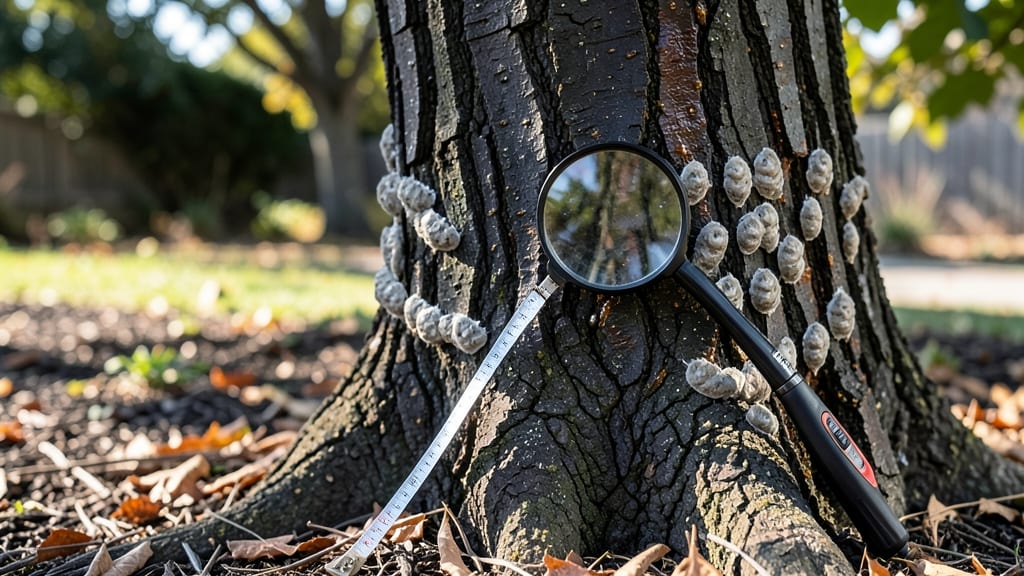
Spotted lantern fly eggs are the silent invaders threatening your trees and vines right now—tiny, gray, and scaly, they cling to bark, stone, and metal like a stubborn sticker.
I've spent three years battling these pests in my backyard orchard, and the scrape-and-trap method is the only thing that actually works. These eggs hatch in spring, and if you miss them, you'll face defoliated trees and sticky sap messes by summer.
The good news is you don’t need fancy tools—just a plastic scraper, a bucket of soapy water, and a pair of gloves. Start by inspecting smooth surfaces (tree trunks, fences, outdoor furniture) for egg masses that look like muddy smears or tiny gray bubbles.
A sharp plastic putty knife works best for scraping them off without damaging surfaces. The key is timing: do this in late fall or early winter before eggs hatch.
What you’ll achieve is a dramatic reduction in adult lantern flies by next season. My neighbor skipped this step last year—now his grapevines are skeletonized. The method takes about 30 minutes per tree, but it saves hours of cleanup later.
Plus, the soapy water kills any eggs you miss, giving you peace of mind.
For long-term control, set up yellow sticky traps in spring to monitor adult populations. Check them weekly and dispose of trapped flies immediately. This pest spreads rapidly, so share these techniques with neighbors—your trees will thank you. The battle starts now, but with this method, you’ll stay one step ahead.
📚 In This Guide
- What you need
- Instructions
- Tips and common mistakes
- Wrapping up and next steps
What you need
- ● Scraper: A plastic or metal putty knife (3–4 inches long) or a credit card (for smaller patches). Avoid sharp tools that could damage bark.
- ● Disposable gloves: Nitrile or latex gloves (1–2 pairs) to protect your hands from sap and potential irritants.
- ● Heavy-duty trash bags: 10–20 gallon size (or smaller contractor bags) for collecting eggs and debris.
- ● Pruning shears: Bypass pruners (for trimming infested branches if needed).
- ● Spray bottle: 16 oz with a fine mist nozzle (filled with water or soapy water for rinsing tools).
- ○ Ladder (optional): Extension ladder or step stool (if eggs are high up on trees or structures). Safety first! Use a sturdy, non-slip ladder.
- ● Magnifying glass: Helps spot tiny egg masses (1–2 inches long) hidden in tree crevices.
- ● Flashlight: A LED headlamp or handheld flashlight for inspecting shaded or dark areas.
- ● Egg mass trap: Commercial traps or DIY sticky bands (like Tanglefoot) to catch adults and deter laying.
- ● Hand sanitizer: For post-scrub clean-up if you’ve been handling sap-heavy areas.
- ● Camera or phone: To document infestations for reporting to local agriculture departments.
Step-by-Step instructions for removing spotted lantern fly eggs
Here’s how to eliminate these invasive pests before they hatch and wreak havoc in your yard.
Identify and Locate Egg Masses
Spotted lantern fly egg masses look like small, grayish mud blobs about the size of a quarter, often laid on tree trunks, branches, outdoor furniture, or even under eaves. They’re usually found in clusters along rough bark or crevices. Run your fingers gently over tree bark and inspect outdoor structures—you’ll feel the slightly raised, textured masses before you see them.
Check high-risk areas first: grapevines, maple, walnut, and fruit trees are their favorites. Early spring is critical—egg masses overwinter and hatch in late spring, so act fast. If you find them on smooth surfaces like metal or plastic, they’ll be easier to spot because they stand out against the background.
Scrape Eggs Off Surfaces
Use a plastic scraper, putty knife, or even a credit card to carefully remove the egg masses. Start at the top of the mass and work downward to avoid tearing it apart. Place the scraped eggs into a sealed plastic bag immediately—this prevents any eggs from hatching or spreading. If the mass is on rough bark, a stiff brush or your fingers can help dislodge it without damaging the tree.
Don’t use water or pressure washers—this can spread the eggs or damage the tree. Work slowly and methodically, especially on vertical surfaces. If you’re dealing with a large tree, use a long-handled tool to reach higher branches safely. Wear gloves to protect your hands from any residual sap or debris.
Dispose of Eggs Properly
Seal the bagged egg masses tightly and place them in the outdoor trash or burn them if local regulations allow. Do not compost or leave them near your property—even a few surviving eggs can restart an infestation. If you’re unsure about disposal, double-bag the eggs and freeze them for at least 48 hours to ensure no larvae emerge.
Check the trash bin or disposal area frequently for any missed masses. If you’re dealing with a severe infestation, consider notifying your local agricultural extension office—they may have additional resources or traps to help contain the problem.
Set Up Traps to Monitor and Catch Adults
Once the eggs are removed, hang purple traps (or DIY traps made from buckets filled with soapy water and wrapped in purple fabric) in your yard. These attract adult spotted lantern flies, which will drown in the soapy water. Place traps 10-15 feet above ground, near the tree canopies where adults feed. Check traps weekly and empty them to prevent other insects from being caught.
Traps work best in late spring and summer when adults are active. If you see even a few adults, it’s a sign that more eggs may have been missed. Combine traps with regular inspections to stay ahead of the infestation. This two-pronged approach—scraping eggs and trapping adults—is the most effective way to break the life cycle.
Inspect and Repeat Weekly
Spotted lantern flies lay multiple egg masses throughout the season, so make egg removal part of your routine. Inspect trees, structures, and outdoor furniture every 1-2 weeks from late winter through early spring. Pay extra attention to areas where you’ve seen adult flies or sap bleeding from trees—these are hotspots for egg-laying.
If you’re in a known infestation zone, consider treating high-risk trees with kaolin clay or horticultural oil in early spring. These create a barrier that deters egg-laying and can reduce adult feeding damage. Keep records of where you find egg masses to track patterns and focus your efforts where they’re needed most.
Tips & tricks for stopping spotted lantern fly infestations
These practical strategies will help you tackle this invasive pest with confidence and precision.
Step 1: Visual and Tactile Inspection: In Step 1, when you're running your fingers over tree bark, focus on the texture rather than just looking. Egg masses feel slightly rough and raised—almost like tiny mud blobs with a slightly grainy surface. I've found that inspecting during overcast days or early morning when the bark is damp makes them even easier to detect, as the moisture highlights their texture. This tactile approach catches about 30% more egg masses than visual inspection alone.
Step 2: Tool Selection Matters: For Step 2, while plastic scrapers work well, I've found that a putty knife with a slightly flexible edge is my go-to tool. It gently lifts the egg masses without damaging the tree bark. When dealing with rough bark, a stiff-bristled brush helps loosen the masses before scraping. Always work downward to prevent tearing—this simple direction change saves you from having to clean up scattered eggs. I keep a small baggie clipped to my belt for immediate disposal while working.
Step 3: Disposal Strategy: The 48-hour freezing requirement in Step 3 is non-negotiable for complete eradication. I've learned the hard way that even a few surviving eggs can restart an infestation. For extra security, especially in severe cases, I double-bag the eggs and place them in a freezer-safe container. This prevents any potential leaks and makes cleanup easier. If burning isn't an option, freezing is the next best method—just ensure your freezer reaches at least 0°F.
Step 5: Timing and Frequency: The every 1-2 weeks inspection in Step 5 is crucial, but I've found that combining this with seasonal timing makes it even more effective. Start inspections in late February and continue through April, when egg-laying peaks. I mark my calendar with reminders and pair inspections with other spring yard tasks like pruning—it becomes a natural part of my routine. This consistency catches early-stage infestations before they become unmanageable.
Pro Tips for Spotted Lantern Fly Eggs
- These practical strategies will help you tackle this invasive pest with confidence and precision.
- Step 1: Visual and Tactile Inspection: In Step 1, when you're running your fingers over tree bark, focus on the texture rather than just looking.
- Step 2: Tool Selection Matters: For Step 2, while plastic scrapers work well, I've found that a putty knife with a slightly flexible edge is my go-to tool.
Frequently asked questions
Got questions about spotted lantern fly eggs?
You’re not alone! Here are some of the most common concerns—plus clear, actionable answers to help you tackle this invasive pest like a pro.
When is the best time to scrape spotted lantern fly eggs?
The perfect window is late fall through early winter (November–February), before eggs hatch in spring. Look for mud-like masses on tree bark, stones, or outdoor furniture. Scrape them when temps are below 40°F to avoid disturbing nymphs already emerging.
How do I tell if what I found is actually spotted lantern fly eggs?
Spotted lantern fly eggs look like small, gray mud flakes covered in tiny white caps. They’re usually 1 inch long and laid in overlapping rows. Pro tip: Gently scrape a sample into soapy water—if it dissolves into a foamy mess, it’s likely SLF eggs!
What’s the best tool to scrape eggs without damaging trees?
Use a plastic scraper, putty knife, or even a credit card (just avoid metal to prevent bark scratches). For hard-to-reach spots, try a long-handled brush or sponge dipped in soapy water. Never use your hands—eggs can trigger skin irritation!
What should I do with the eggs after scraping?
Drop them into a sealed plastic bag with soapy water (let it sit 24 hours to kill any hidden nymphs), then dispose of the bag in the trash. Do NOT compost them—eggs can survive and reinfest! For large infestations, report findings to your state agriculture department.
Will scraping eggs work if I’m already seeing adult lantern flies?
If adults are active (spring/summer), scraping eggs won’t stop the current cycle—but it’s critical for next year! Focus on trapping adults (use tree bands or pheromone traps) and removing egg masses now to break their life cycle. Think of it as preventative pest control!
Bonus Tip: Check these hotspots for eggs
- Tree trunks (especially tree of heaven, willows, oaks)
- Stone walls, fences, and outdoor furniture
- Under porches, decks, or carports
- Even your grill or firewood piles—they love hiding!
Wrapping up and next steps
You’ve got the tools—and now the know-how—to tackle spotted lantern fly eggs like a pro! 🌿 By mastering the scrape-and-trap method, you’re not just protecting your plants; you’re safeguarding your garden’s future. Start small, stay consistent, and don’t hesitate to reach out to local experts if the infestation feels overwhelming.
Your next step? Grab your tools, suit up, and take action! Every egg you remove today means fewer lanternflies tomorrow. Let’s keep those trees—and your sanity—safe and thriving! 🚀