
Plants
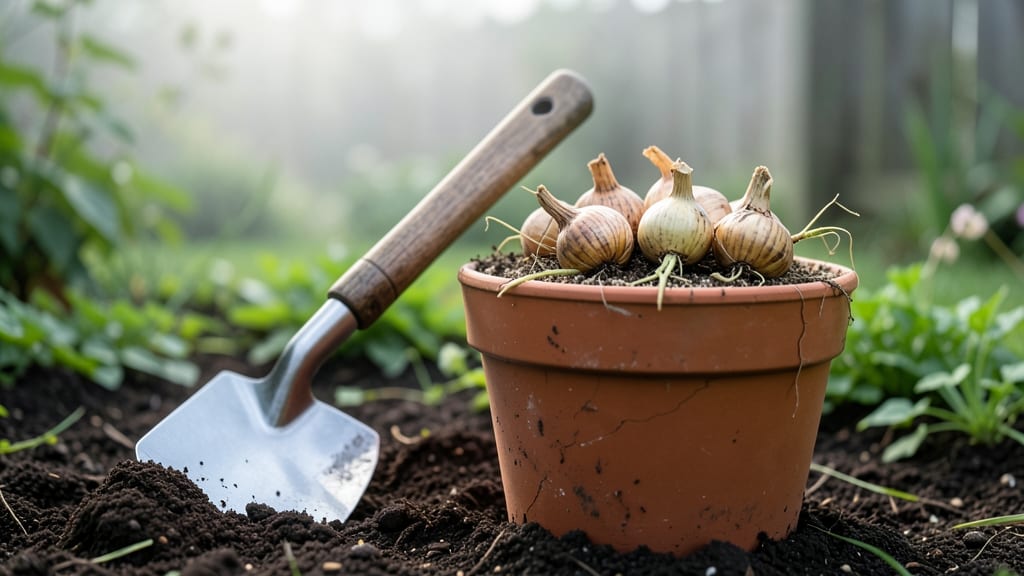
You can plant potted tulips 🌷 in the ground when soil temperatures drop to 40–50°F—typically 6–8 weeks before your first hard frost, or in early spring after frost danger passes.
Timing your potted tulips’ transition from container to garden bed is crucial—plant too early, and frost will kill them; too late, and they’ll struggle to establish roots before winter. Mastering soil temperature cues ensures vibrant blooms next spring.
In Zone 6a, like much of the Midwest, aim for late September through November for fall planting or early March to April for spring. Warmer regions can extend this window, but cold snaps are the real enemy.
Below, I’ll break down the exact soil temp tests, regional adjustments, and pre-planting prep to give your tulips the best shot at thriving—no guesswork, just science-backed timing.
Optimal soil temperature for planting potted tulips outdoors
Planting potted tulips outdoors requires precise timing—soil temperatures between 40–50°F signal the perfect window for root establishment. This range ensures bulbs won’t rot from warmth or freeze before roots anchor. Cold-hardy tulips (USDA zones 3–8) thrive when planted in fall or early spring, but soil temp—not calendar dates—determines success.
Why focus on soil temperature? Tulip bulbs are dormant in cold soil but metabolically active above 50°F. Planting too early (when soil is still warm) triggers premature growth, leaving them vulnerable to frost.
Too late, and roots won’t establish before winter. Use a soil thermometer to avoid guesswork—it’s your best tool for accuracy.
A soil thermometer (inserted 4–6 inches deep) reveals real-time conditions. Aim for 50°F for spring planting or 40–50°F for fall. Morning readings are most reliable—soil cools overnight and warms by afternoon. Pro tip: Check temps for 3 consecutive days before planting to confirm consistency.
Regional differences matter. In USDA zones 3–5, plant in fall (September–October) when soil temps hover around 40–50°F. Zones 6–8 can extend planting into November or even early spring (March–April), but always wait for soil to cool below 50°F after summer heat.
⚠️ Critical warning: Never plant when soil is above 50°F—even in fall. Warm soil tricks bulbs into sprouting, and new growth cannot survive frost. Use a frost forecast alongside soil temps: aim to plant 6–8 weeks before the first hard frost in your zone.
For spring planting, wait until soil temps stabilize below 50°F and frost risk drops below 10%.
Use a 10-day forecast to time your move—sudden cold snaps can still damage tender roots. Hardened-off bulbs (acclimated to outdoor temps) fare better, so gradually expose potted tulips to outdoor conditions for 1–2 weeks before planting.
Test soil readiness with the "finger test": Press your finger into the soil. If it feels cool but workable (like a chilled pie crust), it’s likely in the 40–50°F range.
Avoid muddy or soggy soil—drainage is critical. Amend heavy clay with compost or sand to improve airflow and prevent bulb rot.
Mulching after planting adds 5–10°F insulation, protecting roots from temperature swings. Use 2–3 inches of straw or shredded leaves in fall, but remove it in late winter to allow soil to warm for spring blooms. Never mulch over bulbs in summer—they need heat to mature.
Remember: Soil temp > air temp for planting decisions. A crisp 60°F day might hide 45°F soil—always dig deeper. Potted tulips planted at the right soil temperature will bloom 2–3 weeks earlier than those planted too late, giving you a head start on spring color.
🌷
Step-by-step guide: transplanting potted tulips without shocking roots
Transplanting potted tulips requires careful planning to avoid root shock and ensure they thrive in their new garden home. The key is gradual preparation—starting with hardening off your plants and amending the soil to mimic their container environment.
This process reduces stress and helps roots establish faster, giving you those vibrant spring blooms you’re dreaming of.
Timing matters just as much as technique. Planting at the wrong time—whether too early or too late—can stunt growth or even kill your tulips.
The ideal window is when soil temperatures hover between 40–50°F, typically 6–8 weeks before the first frost in fall or after the last frost in spring. This balance ensures roots have time to settle before extreme weather hits.
How to Transplant Potted Tulips Without Shocking Roots
-
1. Harden Off Your Tulips (7–10 Days Before Planting)
Move pots outdoors for 2–4 hours daily, gradually increasing exposure to sun and wind. This toughens leaves and stems.
-
2. Amend the Soil for Drainage
Mix compost or aged manure (2–3 inches) into garden soil. Tulips hate soggy roots—add perlite or sand if your soil is clay-heavy.
-
3. Dig Holes Twice as Wide as the Pot
Loosen roots gently if pot-bound. Place bulbs 6 inches deep (or 3x bulb height) with the neck pointing upward.
-
4. Plant on a Cool, Overcast Afternoon
Avoid midday heat or windy days. Water the hole before planting to help roots settle into moist soil.
-
5. Water Deeply After Planting
Give 1 inch of water immediately, then 1 inch weekly (adjust for rain). Mulch with 2–3 inches of straw to retain moisture.
-
6. Fertilize Lightly in Spring
Once shoots emerge, apply 10-10-10 fertilizer (1 tbsp per plant) to encourage root growth and blooms.
After transplanting, monitor your tulips closely for signs of stress, like yellowing leaves or wilted stems. These often indicate overwatering or poor drainage. If you notice issues, adjust your care routine immediately—tulips are resilient but need consistent moisture and airflow to recover.
One common mistake is planting too deep, which can rot the bulb, or skipping mulch, leaving roots exposed to temperature swings. Always aim for 6 inches deep and use mulch to protect bulbs through winter.
With these steps, your potted tulips will transition seamlessly and reward you with showstopping spring blooms.
Pro tip: Mark your planting spots with biodegradable flags so you don’t accidentally dig up the bulbs when weeding. Tulips need time—don’t disturb them until foliage yellows in late summer, signaling they’ve stored energy for next year’s flowers.