
Plants
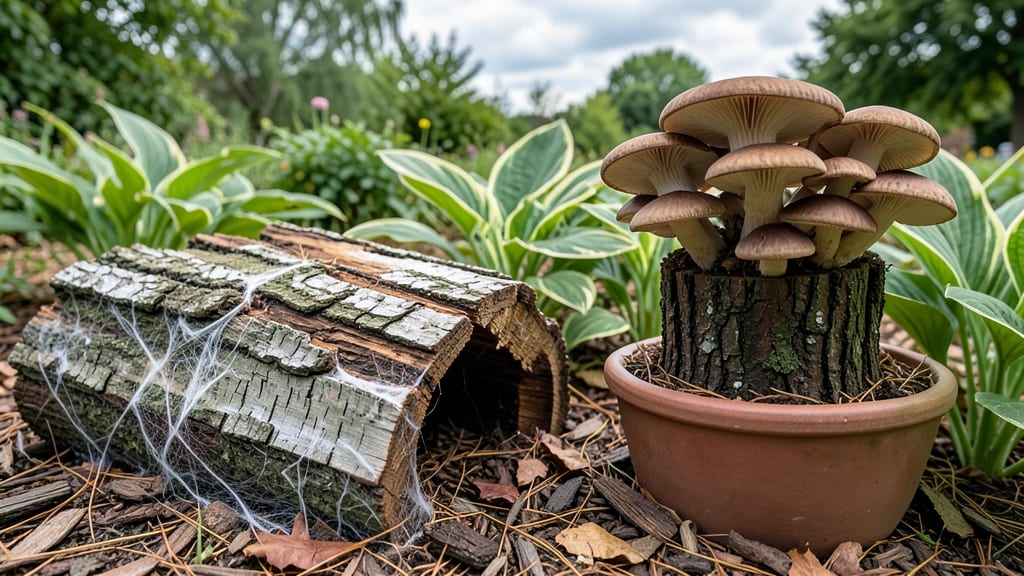
Why are mushrooms growing in your outdoor potted plants? That damp, decaying soil isn’t just weird—it’s a fungal buffet after heavy rains or when old mulch breaks down. 🌱 The good news? It’s usually harmless (unless they’re toxic—more on that later), and fixing it is simpler than you’d think.
Most of the time, mushrooms appear because your pots lack drainage or you’re overwatering. That soggy soil? A fungal paradise. Even "healthy" compost can turn against you if left undisturbed. The key is balancing moisture—your plants need it, but not enough to throw a mushroom party every week.
Start by removing the mushrooms (roots and all) and fluffing the top inch of soil to improve airflow. If drainage is poor, add perlite or coarse sand to the mix.
For severe cases, consider repotting with fresh soil and a handful of compost to rebuild the balance without inviting more fungi.
Prevention is easy: water only when the top inch of soil is dry, use pots with drainage holes, and avoid piling mulch too thickly. If you’re unsure about the mushrooms, snap a photo and check local resources—some varieties are toxic to pets or kids.
Mostly, though, this is just your soil telling you to lighten up on the water.
Hidden Causes Behind Sudden Fungi
If mushrooms have sprung up in your outdoor potted plants, don’t panic—it’s a sign of nature’s hidden processes at work. While it might look unnatural, these fungi are actually a result of natural decomposition, moisture imbalance, or even organic buildup.
Let’s break down the most common reasons why mushrooms pop up in your pots, so you can address the root cause (literally!).
Mushrooms thrive on decaying organic material, and your potted plants may be acting like a compost pile.
If you’ve been adding too much compost, mulch, or even old plant debris to your pots, fungi like Agaricus bisporus (common button mushrooms) or Psathyrella species may appear as they break down the excess matter.
Why it happens:
- Excess nitrogen-rich waste: Overwatering or using too much fertilizer creates a nutrient-rich environment that fungi love.
- Lack of aeration: Compacted soil traps moisture and organic debris, creating the perfect fungal buffet.
- Old potting mix: If you’ve reused soil for years, decomposed roots and plant matter can fuel mushroom growth.
💡 Pro Tip: Fluff the soil with a fork to improve aeration, and avoid over-fertilizing. If mushrooms keep returning, consider repotting with fresh, sterile soil.
Mushrooms need moisture to grow, and if your pots stay soggy for too long, you’re basically inviting fungi to move in. Poor drainage, overwatering, or even rainwater pooling in saucers can create the ideal wet conditions for spores to germinate.
Why it happens:
- Waterlogged soil: Fungi like Coprinus (inky cap mushrooms) thrive in saturated environments, especially if roots are suffocating.
- Clogged drainage holes: If water can’t escape, excess moisture encourages fungal spores already present in the soil to sprout.
- Heavy rainfall or poor pot placement: Outdoor pots in shaded or low-lying areas stay damp longer, speeding up decomposition.
🔥 Quick Fix: Check your pots for drainage issues—if water sits for more than an hour after watering, it’s time to add perlite or repot with better-draining soil. Elevate pots to prevent water pooling.
Mushroom spores are everywhere—floating in the air, hiding in compost, or even lurking in store-bought potting soil. If conditions are right (moisture + organic matter), these spores can wake up and start growing overnight.
Why it happens:
- Spores from nearby trees or lawns: Wind or animals can carry spores into your pots, especially if you’re near wooded areas or compost piles.
- Contaminated soil or mulch: Even "sterile" potting mix can contain dormant spores that activate when conditions align.
- Past fungal activity: If mushrooms grew in the same pot before, spores may still be present and ready to regrow.
🌡️ Prevention Tip: Use pasteurized or sterile potting mix, and avoid placing pots directly on grass or wood chips. If spores are a recurring issue, consider lining pots with landscape fabric before adding soil.
When plants die back or roots decompose, they leave behind a feast for fungi. If you’ve had plants in the same pot for years, the old roots may have turned into a fungal hotspot.
Why it happens:
- Decomposing roots: As roots break down, they release sugars and nutrients that fungi consume.
- Uneaten plant matter: Dead leaves, stems, or even old mulch can harbor fungal spores.
- Slow-draining containers: Plastic or ceramic pots can trap moisture against decomposing material.
✨ Solution: Remove all old plant debris before repotting, and sterilize pots with a 10% bleach solution (1 part bleach to 9 parts water) if fungal growth persists.
Fixing fungal growth naturally
Now that you know the root cause of those unexpected mushroom guests in your potted plants, let’s tackle the problem head-on with practical, plant-friendly solutions. Below, we’ve mapped out cause-specific fixes—plus prevention tips—to keep your garden thriving and fungus-free. 🌱✨
If your mushrooms are popping up due to soggy soil, act quickly to restore balance.
💦 Step 1: Drain the Excess Moisture - Lift and inspect your pots.
If the soil feels like a damp sponge, it’s time for a reset. - Place pots in a sunny spot (but avoid direct scorching heat) to let excess water evaporate naturally over 1–2 days. - Pro tip: 🌡️ If your thumb sinks into the soil and stays damp for more than 30 seconds, you’re overwatering.
🍳 Step 2: Improve Soil Aeration
- Loosen compacted soil with a fork or chopstick, breaking up clumps to help air circulate.
- Add perlite or coarse sand (10–20% of the soil mix) to boost drainage.
Avoid heavy amendments like peat moss if drainage is the issue. - Repot if needed: If the pot lacks drainage holes, transfer your plant to a new container with better airflow.
⏰ Step 3: Adjust Your Watering Routine
- Water deeply but less often. Let the top 1–2 inches of soil dry out before watering again.
- Water in the morning to allow foliage to dry during the day, reducing fungal spores’ chances.
- Use a moisture meter (or the "squeeze test") to avoid guesswork.
If mushrooms are thriving because your soil is a buffet for decomposers, it’s time to rebalance.
🔪 Step 1: Remove Mushroom Clusters
- Gently pull up mushrooms (including the root-like mycelium) with a pair of gloves. Avoid disturbing the soil too much—you don’t want to spread spores.
- Dispose of them in the trash (not compost!) to prevent reinfestation.
🌱 Step 2: Reduce Organic Overload
- Cut back on fresh mulch or compost until the issue resolves. Too much nitrogen-rich material (like grass clippings or manure) fuels fungal growth.
- Switch to slower-release amendments like worm castings or well-aged compost (3+ months old).
🎯 Step 3: Introduce Fungal Competitors
- Sprinkle cinnamon or coffee grounds (natural antifungals) lightly on the soil surface. Reapply every few weeks.
- Plant fungal-resistant companions like marigolds, basil, or thyme near your potted plants to outcompete unwanted fungi.
If your pots are tucked in a damp, shaded nook, mushrooms will love the party. Let’s throw open the windows (metaphorically and literally).
💨 Step 1: Relocate Your Pots
- Move plants to a sunnier, breezier spot where they get at least 4–6 hours of direct sunlight daily.
- Elevate pots on saucers or stands to improve airflow underneath.
🌡️ Step 2: Reduce Humidity Around Plants
- Space pots 6–12 inches apart to prevent moisture from pooling between them.
- Use a fan on low setting (1–2 hours daily) to circulate air, especially in greenhouses or covered patios.
- Avoid overhead watering. Water at the base of the plant to keep leaves dry.
✨ Step 3: Prune for Better Airflow
- Trim dense foliage to allow light and air to reach the center of the plant.
- Remove yellow or dead leaves—they trap moisture and invite fungi.
Once you’ve kicked the mushrooms to the curb, lock in these habits to keep them from crashing the party again.
- 💡 Test your soil’s moisture regularly.
A simple moisture meter costs under $10 and saves you from overwatering. - 🌿 Use raised beds or containers with drainage holes—even for heavy plants like ferns or calatheas. - 🍂 Mulch lightly (¼ inch max) with materials like straw or pine needles, which break down slowly. - 🔄 Rotate your pots seasonally.
If you notice mushrooms in the same spot yearly, the soil may be permanently compromised—repot with fresh mix. - 🧪 Monitor pH levels. Most fungi thrive in slightly acidic to neutral soil (pH 6.0–7.0). If your soil is too alkaline, amend with sulfur or pine needles.
If mushrooms keep returning despite your efforts, it might be time for a fungal-specific solution:
- Neem oil or copper fungicide spray (apply in the evening to avoid burning leaves).
- Beneficial microbes like Trichoderma or Bacillus subtilis (available as soil drenches) to outcompete harmful fungi.
- Solarization: For severe cases, place pots in clear plastic covers under direct sun for 4–6 weeks to bake out pathogens (best for non-edible plants).
Remember: Patience is key. It can take 2–4 weeks to see improvement after adjusting care routines. Stay consistent, and your potted plants will thank you with lush, fungus-free growth! 🌿💚
Frequently asked questions
Are mushrooms in my potted plants always harmless?
Most common mushrooms (like button mushrooms) are harmless, but some can be toxic to pets or children. Always research the type or snap a photo and check local resources if you're unsure. Remove any suspicious-looking mushrooms immediately and wash your hands afterward.
How do I know if my plants are being harmed by the mushrooms?
Plants aren’t directly harmed by mushrooms—they’re just feeding on decaying matter. However, if your soil is consistently soggy or you see yellowing leaves, root rot may be developing. Focus on improving drainage and aeration to prevent further issues.
Can I still use the soil after removing mushrooms?
Only if you sterilize it first! Mix in 1 part hydrogen peroxide (3%) to 10 parts water, let it sit for 30 minutes, then drain. For severe cases, replace the top 2-3 inches of soil with fresh potting mix. Avoid reusing heavily contaminated soil.
Will my plants die if mushrooms keep growing back?
Not necessarily, but persistent fungal growth indicates poor drainage or excess organic matter. Address the root cause (literally!) by improving airflow, adjusting watering habits, and reducing compost/mulch. Most plants thrive once conditions stabilize.
Can I prevent mushrooms by adding more sunlight?
Sunlight helps, but it’s not a complete fix. Move pots to sunnier spots (4-6 hours of direct light) to dry soil faster, but also improve drainage and reduce moisture. A combination of airflow, proper watering, and balanced soil amendments works best.