
Container Gardens
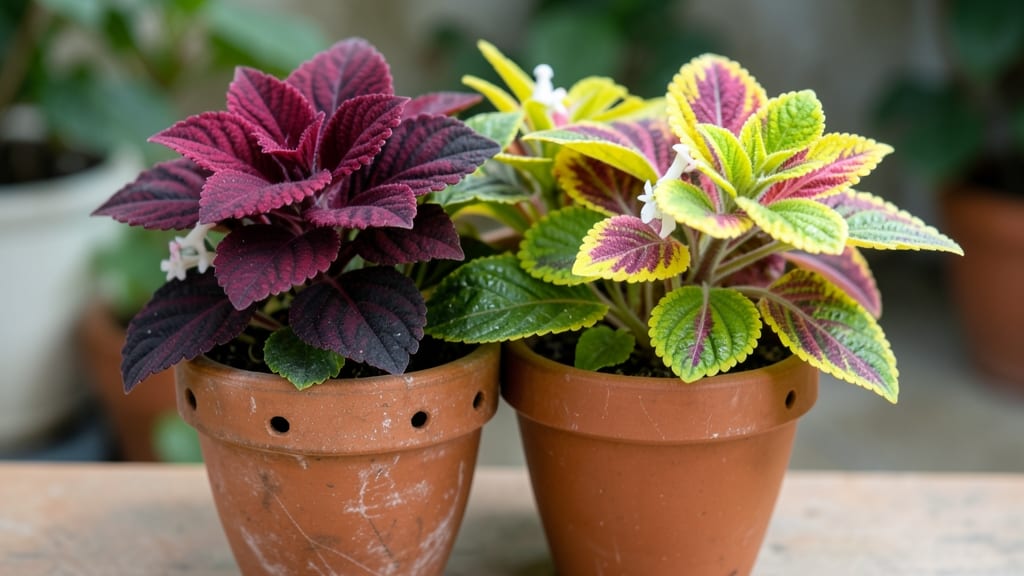
Potted coleus plants bring year-round color to patios and balconies with their stunning leaf patterns—no flowers needed. ✨ I’ve grown them for years, and the secret to keeping their foliage vibrant lies in the soil, sunlight, and a little strategic pruning that most gardeners overlook.
The right mix of well-draining potting soil and a 6-inch pot keeps roots happy, while bright indirect light prevents those sad, stretched-out leaves. Water when the top inch feels dry, but never let them sit in soggy soil—coleus hate wet feet.
Prune regularly to encourage bushier growth, and you’ll have a lush, colorful display that lasts from spring through frost. What you end up with is a living art piece that thrives in containers, brightens up shady corners, and even repels pests naturally.
The bold patterns—from deep purples to fiery oranges—make them the perfect statement plants for any outdoor space. Works for small balconies, sunny porches, or even as indoor accents with the right light. Here’s how to keep them thriving all season long!
📚 In This Guide
- What you need
- Instructions
- Tips and common mistakes
- Wrapping up and next steps
What you need
- ● Coleus plants: 3–6 healthy nursery-grown coleus (choose varieties with bold patterns like 'Black Dragon,' 'Wagon Wheel,' or 'Margot').
- ● Containers: 1–2 pots per plant (6–12 inches in diameter) with drainage holes. Terracotta or fabric pots work best.
- ● Potting mix: 1 bag (5–10 quarts) of well-draining, peat-based mix (add perlite or sand for extra aeration if needed).
- ● Drainage material: Small pebbles, gravel, or broken pottery (1–2 inches layer per pot).
- ● Watering can or spray bottle: With a fine rose attachment for gentle hydration.
- ● Balanced fertilizer: 10–10–10 or 20–20–20 (follow label for dilution).
- ● Gloves: Gardening gloves to protect hands from soil and sap.
- ● Trowel or small shovel: For transplanting and mixing soil.
- ● Pruning shears: Sharp, clean pair to trim leggy stems or shape plants.
- ○ Mulch (optional): Pine bark or coconut coir to retain moisture.
- ○ Sun shade cloth (optional):strong> If your coleus gets harsh afternoon sun.
- ○ Decorative elements (optional):strong> Pebbles, moss, or paint for stylish pots.
Step-by-step guide to growing vibrant potted coleus
Here’s how to grow bold, long-lasting coleus that stays colorful all season—no greenhouse needed.
🪴 Step 1: Choose the Right Containers and Soil Mix
Start with pots that have drainage holes—coleus roots rot easily in soggy soil. I like 6-8 inch pots for each plant since they need space to fill out. Fill them with a lightweight potting mix (never garden soil—it compacts and drains poorly). Add a handful of perlite or vermiculite to improve drainage and keep roots aerated.
Tap the pot gently to settle the mix, then moisten it until damp but not dripping. Coleus loves moisture but hates waterlogged feet. If your mix feels heavy, blend in 20% more perlite to help it dry faster between waterings.
🌱 Step 2: Plant Coleus Stems Correctly for Full Growth
Take your coleus cuttings and trim them just below a leaf node (that’s where new roots will sprout). Dip the cut end in rooting hormone—this speeds up root growth and gives you stronger plants. Plant each stem 1-2 inches deep in the pot, pressing the soil lightly around it to hold it in place.
Water gently until moisture seeps out the drainage holes. Don’t worry if the soil looks a little messy—coleus thrives when the roots can spread freely. Space multiple stems 3-4 inches apart if planting more than one per pot. They’ll fill out beautifully over time.
☀️ Step 3: Provide Bright, Indirect Light for Colorful Foliage
Coleus needs bright, indirect light to keep its leaves vibrant. A south- or west-facing window is ideal, but avoid harsh afternoon sun—it scorches those gorgeous patterns. If your leaves start stretching or losing color, move the pot closer to the light or supplement with a grow light for 12-14 hours daily.
Rotate the pot a quarter turn weekly so all sides get even light. You’ll notice leaves growing toward the light? That’s your cue to adjust the pot’s position. Too little light, and the colors fade to green—too much direct sun, and the edges crisp. Find that sweet spot!
💧 Step 4: Water and Feed for Consistent Color
Water when the top inch of soil feels dry—coleus wilts fast if thirsty but also dislikes soggy roots. Stick your finger in the soil; if it’s dry past your first knuckle, it’s time to water. Use room-temperature water and pour slowly until it drains through the bottom. Empty the saucer afterward to prevent root rot.
Feed every 2-3 weeks with a balanced liquid fertilizer (like 10-10-10) diluted to half strength. This keeps the colors bold and growth steady. Over-fertilizing burns roots, so always water before feeding. Yellow leaves? Cut back on fertilizer—coleus tells you exactly what it needs!
✂️ Step 5: Prune and Propagate for Year-Round Color
Pinch back the tips of leggy stems to encourage bushier growth. Use clean scissors to snip just above a leaf node—this redirects energy into fuller foliage. Deadhead any flowers that appear (they sap energy from the leaves). Regular pruning keeps your coleus looking lush and colorful.
When stems grow too long, take 4-inch cuttings, root them in water or fresh soil, and you’ve got free plants! This is how I keep my collection going all year. Just keep the new cuttings in bright, indirect light until roots form—usually 2-3 weeks. Easy peasy!
Tips & tricks for vibrant potted coleus care
These simple strategies will help your coleus stay bold and beautiful all year—no gardening degree required.
Container Selection: While 6-8 inch pots work perfectly, you can also use hanging baskets for trailing varieties like 'Wagon Wheel' or 'Feathered Friend.' Just ensure the basket has drainage holes—coleus roots need air, not soggy conditions. If repurposing containers, always drill holes if they don't exist, or add a layer of pebbles at the bottom for drainage.
Rooting Hormone Alternative: Don't have rooting hormone? No problem! You can use cinnamon powder as a natural alternative—it has antifungal properties that prevent rot while encouraging root growth. Just dip your cuttings in it before planting. Or try honey mixed with water (1 part honey to 3 parts water) for a DIY option that works surprisingly well.
Light Troubleshooting: If your coleus leaves start stretching toward the light (a condition called etiolation), it's a clear sign they need more brightness. Move the pot within 2 feet of a south-facing window or supplement with a simple LED grow light for 12-14 hours daily. The key is bright but indirect light—think of it as a sunny day through a sheer curtain, not harsh midday sun.
Fertilizer Frequency: The 2-3 week feeding schedule works perfectly, but you can also use a slow-release fertilizer pellet mixed into the soil at planting time. These pellets release nutrients gradually over 3-4 months, reducing the need for frequent liquid feeds. Just follow package instructions for your specific pot size—coleus doesn't need heavy feeding to stay vibrant.
Pro Tips for Potted Coleus Plants
- These simple strategies will help your coleus stay bold and beautiful all year—no gardening degree required.
- Container Selection: While 6-8 inch pots work perfectly, you can also use hanging baskets for trailing varieties like...
- Rooting Hormone Alternative: Don't have rooting hormone? No problem! You can use cinnamon powder as a natural alterna...
Frequently asked questions
Got questions about keeping your potted coleus plants thriving? You’re not alone! Here are some of the most common queries—plus quick, easy answers to keep those vibrant leaves popping year-round.
How often should I water potted coleus?
Water your coleus when the top 1–2 inches of soil feel dry to the touch. Overwatering is the #1 killer—stick to once a week (or less) in cooler months, and up to every 2–3 days in hot, dry weather. Always use pots with drainage holes to prevent root rot!
Can coleus survive winter indoors?
Coleus thrives indoors with bright, indirect light (like an east- or north-facing window). Reduce watering in winter—let the soil dry out slightly between waterings—and fertilize lightly every 6–8 weeks. A humidity tray or occasional misting keeps leaves lush.
Why are my coleus leaves losing color?
Dull or fading colors usually mean too little light. Move your plant to a brighter spot (but avoid harsh sunburn). Leggy growth or pale leaves? It’s time for more sunlight or a gentle prune to encourage bushier, bolder foliage. Yellowing leaves? Check for overwatering or nutrient deficiencies.
How do I propagate coleus from cuttings?
Snip a 3–4 inch stem just below a leaf node, strip the lower leaves, and dip the cut end in rooting hormone (optional). Place in water or moist potting mix, cover with a plastic bag for humidity, and keep in bright, indirect light. Roots form in 2–4 weeks—then transplant!
What pests attack coleus, and how do I treat them?
Watch for spider mites (tiny webs), aphids (sticky residue), or whiteflies (flying pests). Blast off mites with water, wipe leaves with soapy water, or spray neem oil for stubborn infestations. Keep plants healthy with proper light/water to deter pests naturally!
Wrapping up and next steps
Potted coleus plants are a fantastic way to bring vibrant, low-maintenance color to your space year-round! Whether you're a seasoned gardener or just starting out, their bold foliage and adaptability make them a joy to grow.
With the right care—like proper lighting, well-draining soil, and occasional pruning—you’ll enjoy a lush, eye-catching display that keeps giving.
Ready to dive in? Start small—pick a few varieties, grab your supplies, and let your creativity bloom! 🌿✨ Next, try experimenting with containers, colors, and even propagation to expand your coleus collection. Happy gardening!