
Vegetables
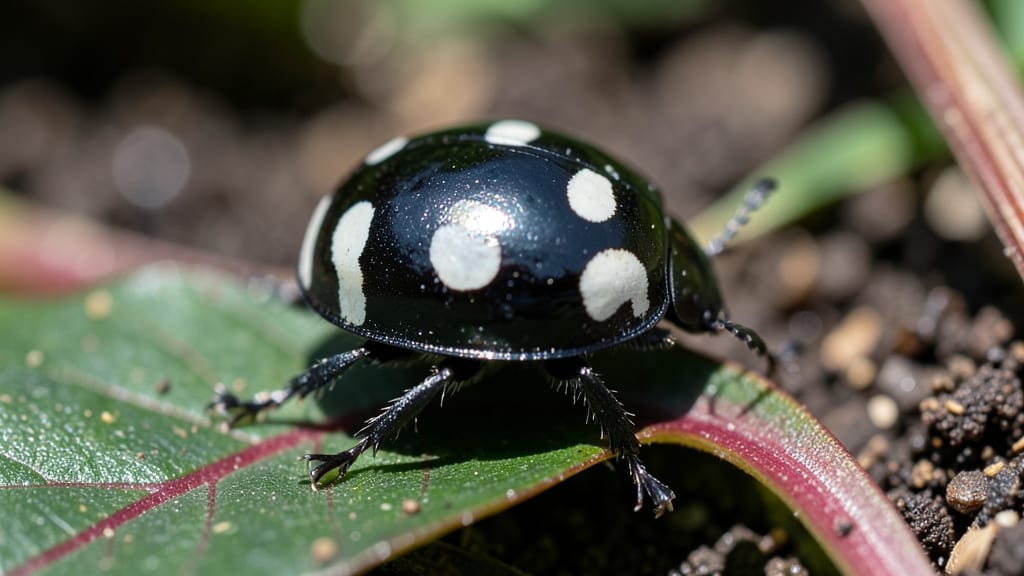
The 9-spotted lady beetle is your garden’s secret weapon against aphids and mites—no chemicals needed. 🌱 These tiny, black-and-yellow spotted allies devour hundreds of pests daily, saving your veggies from destruction. I’ve watched them turn my struggling kale into a thriving crop just by doing their natural work.
Spotting them is easy: look for oval beetles about ¼-inch long with nine bold black spots (sometimes fewer) on their bright orange or yellow backs. Unlike their Asian lady beetle cousins, these native bugs won’t swarm your walls or bite—just munch pests like aphids, mealybugs, and soft-bodied insects.
To keep them around, plant dill, fennel, or yarrow near your veggies—they love these flowers for shelter and food. Avoid pesticides, even "organic" ones, which can harm them. A healthy garden with diverse plants is their best invitation to stay and work for you.
Once established, they’ll reproduce quickly, creating a self-sustaining pest-control team. Your veggies won’t just survive—they’ll thrive, thanks to these tiny, spotted guardians. Let nature handle the dirty work!
Natural Triggers Behind Swarms
When 9-spotted lady beetles (also called Coccinella novemnotata) suddenly appear in overwhelming numbers, it’s rarely random. These beneficial insects cluster indoors for specific survival reasons—often tied to their natural behaviors, environmental shifts, or human-made disruptions.
Understanding these triggers helps you prepare and minimize unwanted invasions while preserving their pest-control benefits. Let’s break down the key causes, backed by science.
Lady beetles are cold-blooded, meaning their activity levels plummet when temperatures drop. In late summer or early fall, as nights grow cooler, they seek shelter to:
- Conserve energy: Their metabolic rate slows to survive winter. Indoor walls, windows, and attics provide insulated microclimates that mimic their natural hibernation spots under bark or leaf litter.
- Avoid freezing: Studies show lady beetles can’t tolerate prolonged sub-freezing temps. A single frost can kill 50–70% of exposed populations (source: Journal of Insect Physiology).
- Find mates: Cooler temps trigger pheromone release, drawing beetles together in groups—a behavior called gregariousness.
Actionable tip: If swarms appear in autumn, check for cracks in siding, gaps around windows, or loose vents. Seal these with weatherstripping or caulk to redirect them to less intrusive areas like garages or sheds.
While lady beetles are solitary hunters as adults, their larvae often cluster on aphid-infested plants. When food sources (like aphids, mites, or scale insects) become too abundant, the beetles’ population booms—but so does competition. Here’s why this leads to indoor migrations:
- Resource depletion: A single aphid colony can support thousands of larvae. Once the food is gone, adults disperse in search of new territories, often ending up in homes.
- Predator pressure: Birds, spiders, and parasitic wasps target dense beetle populations. Adults flee to less predator-friendly zones, like human structures.
- Pheromone signals: Overcrowded beetles release distress pheromones that attract others, creating a positive feedback loop of movement.
Pro tip: If you’ve noticed unusually high aphid activity on your garden plants, introduce beneficial nematodes or neem oil to regulate their numbers before they become a nuisance indoors.
Modern homes accidentally replicate the beetles’ preferred hibernation spots. Key factors include:
| Feature | Why Beetles Love It |
|---|---|
| Insulated walls | Traps heat, creating a stable 50–60°F environment—ideal for torpor (a light hibernation state). |
| Sun-facing windows | Acts like a passive solar heater, warming surfaces to attract beetles. |
| Attics/vents with gaps | Provides dark, undisturbed spaces similar to tree bark crevices. |
| Light-colored surfaces | Reflects UV light, signaling safe resting zones (beetles avoid dark, predator-heavy areas). |
✨ Science-backed fix: Paint exterior walls in matte black or dark gray—this reduces heat absorption and makes surfaces less appealing. For windows, install fine mesh screens or grilles to block entry without harming the beetles.
Certain gardening habits unintentionally encourage beetle swarms:
- Overuse of broad-spectrum pesticides: While lady beetles eat pests, neonicotinoids or pyrethroids can poison their food sources (aphids), forcing them to seek alternative shelter—your home.
- Monoculture gardening: Planting large blocks of a single crop (e.g., roses or brassicas) creates aphid superhighways, leading to beetle population explosions.
- Late-season pruning: Removing plants in fall deprives beetles of their last food sources, accelerating their search for indoor refuge.
💡 Eco-friendly solution: Switch to pyrethrin sprays (derived from chrysanthemums) or soapy water to target pests without harming lady beetles. Plant diverse pollinator-friendly flowers (like dill or fennel) to disperse beetle populations naturally.
By addressing these root causes—whether through seasonal prep, habitat tweaks, or gardening adjustments—you can reduce swarms while keeping these tiny allies working for your garden.
Practical ways to manage lady beetle populations
If you’re dealing with an influx of 9-spotted lady beetles—whether they’re invading your home, garden, or stored crops—don’t panic! These beneficial insects can be a nuisance when they overpopulate, but with the right strategies, you can keep them in check naturally and effectively.
Below are targeted solutions tailored to common causes, along with prevention tips to stop future outbreaks.
Lady beetles often seek shelter indoors during cooler months, especially in basements, attics, or near windows. Here’s how to encourage them to leave without harm:
🚪 Seal Entry Points First
- Check for gaps: Inspect windows, doors, and vents for cracks wider than 1/8 inch. Seal them with caulk, weatherstripping, or fine mesh screens.
- Focus on basements/attics: These are prime hiding spots.
Install door sweeps and repair any damaged siding or roof vents. - Pro tip: 💡 Use outdoor lighting with yellow bulbs—these attract fewer insects than white or blue lights.
🧹 Non-Toxic Traps & Vacuums
- Diatomaceous earth (DE): Sprinkle food-grade DE along baseboards or entry points. It’s harmless to pets but dehydrates insects like lady beetles over time.
- Vacuum them up: Use a shop vac or handheld vacuum to suck them up.
Empty the vacuum outdoors immediately to avoid releasing them. - Soapy water trap: Mix 1 tbsp dish soap + 1 gallon water in a shallow tray near entry points. The beetles will drown, but this method is short-term only—it doesn’t solve the root cause.
🌡️ Make Your Home Less Appealing
- Reduce clutter: Store firewood, mulch, and cardboard away from your home’s exterior. These materials attract beetles.
- Use essential oils: Place cotton balls soaked in peppermint or eucalyptus oil near entry points.
The scent repels them naturally. - ✨ Prevention tip: Keep indoor spaces clean and dry—lady beetles are drawn to moisture and organic debris.
While lady beetles eat pests like aphids, an explosion in their population can mean they’re outcompeting other beneficial insects. Here’s how to maintain harmony:
🌻 Plant Diversity to Control Numbers
- Add predator plants: Grow dill, fennel, or yarrow to attract parasitic wasps, which naturally regulate lady beetle populations.
- Avoid monocultures: Planting single crops in large blocks can lead to beetle overpopulation.
Instead, use intercropping (e.g., marigolds with tomatoes). - 💡 Pro tip: Aphid traps (yellow sticky cards) can lure lady beetles away from your main crops while still benefiting your garden.
🍃 Introduce Natural Competitors
- Ladybug banks: If lady beetles are too aggressive, introduce praying mantises or lacewings, which prey on them.
- Bird-friendly habitats: Install birdhouses or baths—birds like swallows and sparrows eat lady beetles without harming your plants.
- 🌡️ Timing matters: Release commercial ladybugs in the early morning or late evening to give them time to establish before predators strike.
🚫 Avoid Chemical Overreactions
- Skip pesticides: Many pesticides kill lady beetles along with pests, disrupting your garden’s ecosystem.
- Use neem oil sprays only if you have a severe aphid outbreak, and apply at dusk to minimize harm to lady beetles.
- ✨ Prevention tip: Rotate crops annually to prevent beetles from laying eggs in the same soil repeatedly.
Lady beetles (especially their larvae) can chew through grains, dried fruits, and seeds. Here’s how to protect your stored goods:
🧺 Store Food Properly
- Use airtight containers: Transfer dry goods into glass jars, metal bins, or heavy plastic containers with sealed lids.
- Freeze susceptible items: Place seeds, flour, or pet food in the freezer for 48 hours to kill any eggs or larvae.
- 🔥 Quick fix: Baking soda traps—sprinkle baking soda in pantry corners; beetles will ingest it and die.
🕷️ Monitor and Clean Regularly
- Inspect packages: Before storing, check bulk grains or pet food for tiny holes or webbing (signs of infestation).
- Deep clean pantries: Wipe shelves with a 50/50 vinegar-water solution to remove pheromone trails that attract beetles.
- 💡 Pro tip: Bay leaves or cedar blocks placed in storage bins naturally repel lady beetles.
🌡️ Prevent Future Infestations
- Buy from reputable sellers: Purchase sealed, pest-free grains from trusted suppliers.
- Limit outdoor storage: Keep firewood, compost, and mulch at least 20 feet away from your home.
- ✨ Prevention tip: Store spices in the fridge—cool, dry conditions deter beetles.
The key to permanent control is making your property less hospitable to lady beetles while keeping their benefits in your garden. Here’s how:
| Action | Why It Works | How to Do It |
|---|---|---|
| Reduce standing water | Eliminates breeding sites for aphids (their food). | Fix leaky faucets, clean gutters, and use rain barrels with tight lids. |
| Mulch strategically | Thick mulch attracts beetles; use straw or wood chips sparingly. | Apply no more than 2–3 inches of mulch. |
| Encourage biodiversity | More predators = fewer lady beetle outbreaks. | Plant native wildflowers and shrubs to support birds, lacewings, and spiders. |
| Rotate crops | Prevents soil-borne egg laying. | Switch vegetable families yearly (e.g., tomatoes → beans). |
If lady beetles are overwhelming your home or crops despite these steps, consider contacting:
- A local extension service (they offer free pest ID and advice).
- An organic pest control expert (they use IPM—Integrated Pest Management—to balance ecosystems).
By combining prevention, gentle removal, and habitat adjustments, you can enjoy the benefits of lady beetles without the chaos. 🐞✨ Remember: These insects are allies in your garden—the goal is harmony, not eradication.
Frequently asked questions
How can I tell the difference between a 9-spotted lady beetle and the invasive Asian lady beetle?
The 9-spotted lady beetle has 9 distinct black spots (sometimes fewer) on its bright orange or yellow back, and its spots are rounded and well-defined. The invasive Asian lady beetle, however, has black spots with white X or V markings and a more rounded body shape. Another key difference: Asian lady beetles often release a foul odor when handled, while native species don’t.
Are 9-spotted lady beetles safe to have around my kids or pets?
These beetles are completely harmless to humans and pets. They won’t bite, sting, or spread diseases. However, if you have a large swarm indoors, vacuuming them up (and releasing them outside) is the safest way to prevent accidental squishing or stressing your pets.
What plants should I grow to attract 9-spotted lady beetles to my garden?
Plant dill, fennel, yarrow, or marigolds—these flowers provide both nectar and shelter for lady beetles. They also attract aphids, which are the beetles’ favorite food! Avoid using pesticides, even organic ones, as they can harm these beneficial insects. A diverse garden with flowering plants year-round keeps them around all season.
Why do I see more 9-spotted lady beetles in the fall?
As temperatures drop, lady beetles seek shelter to survive winter. Your home’s walls, windows, and attics provide warm, insulated microclimates that mimic their natural hibernation spots under bark or leaf litter. Sealing gaps with caulk or weatherstripping can redirect them to less intrusive areas like sheds or garages.
Can I release purchased lady beetles in my garden, or should I wait for native ones?
Native 9-spotted lady beetles are always better! Purchased beetles may be stressed or carry diseases. Instead, create a beetle-friendly habitat with diverse plants and avoid pesticides. If you must buy them, release them in the early morning or late evening when temperatures are cooler, and provide water and aphids to help them establish.