
Pests
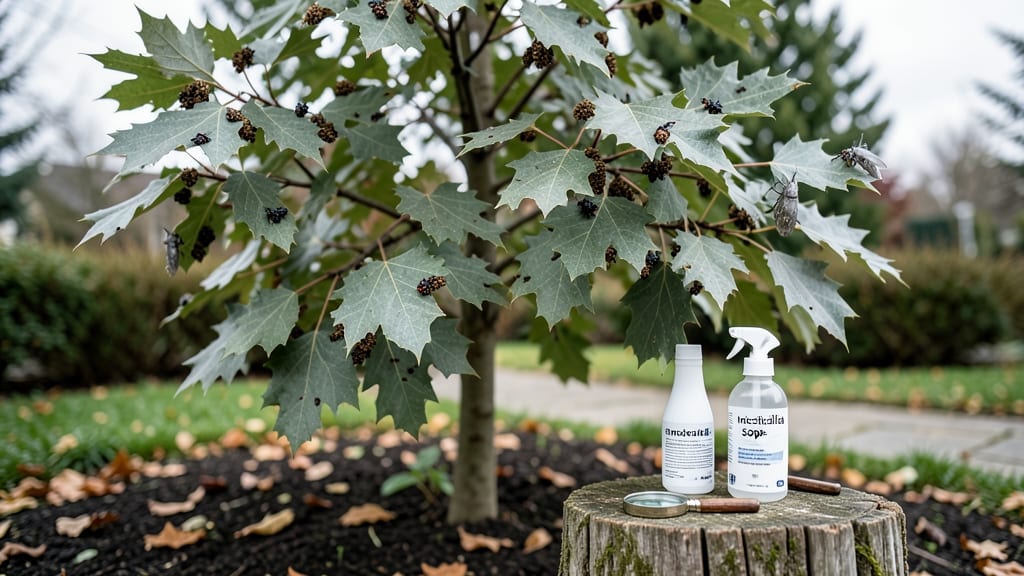
Spotted lanternflies are the garden nuisance that won’t quit—until you hit them with insecticidal soap. 🌿 I’ve battled these invasive pests for years, and this targeted spray is the only thing that finally gives me real control over their numbers.
The key isn’t just spraying; it’s timing, concentration, and knowing when to strike for maximum impact.
You’ll need a homemade or commercial insecticidal soap (70% potassium salts of fatty acids), a spray bottle, and a calm evening when temperatures are below 85°F. The soap works by breaking down the lanternfly’s protective wax layer, dehydrating them within hours.
It’s fast—unlike slow-acting organic sprays—but it requires direct contact, so you’ll need to hit every nymph and adult you see.
What you’ll get is a noticeable drop in lanternfly numbers within 24-48 hours, especially if you repeat treatments every 3-5 days. Your plants won’t just survive; they’ll thrive without the sticky residue or leaf damage these pests leave behind.
Just don’t expect miracles—this is a tool, not a cure-all.
Pair it with sticky traps, prune egg masses from trees, and consider kaolin clay for long-term defense. The combination turns your garden from a lanternfly buffet into a no-fly zone. Let’s get those pests under control—for good.
Root Causes of Lanternfly Spread
The rapid spread of Lycorma delicatula, or spotted lanternflies, isn’t just random—it’s driven by a mix of biological, environmental, and human factors. Understanding these causes helps explain why insecticidal soap (and other control methods) is often the most effective first line of defense.
Here’s why these invasive pests become such a problem:
Spotted lanternflies are highly adaptable due to their biology, which accelerates their population growth and spread:
- Rapid Reproduction: A single female can lay 30–50 egg masses per year, each containing 30–50 eggs. Eggs hatch in as little as 30–45 days under warm conditions, creating exponential growth. Pro tip: 💡 Egg masses (gray, mud-like clusters) are often missed on trees, rocks, or vehicles—scrape and destroy them before they hatch!
- Polyphagous Feeding: They consume over 70 plant species, including grapes, hardwoods, and stone fruits. Unlike pests with narrow diets, they don’t starve easily, making them harder to control with single-target pesticides.
- Long Lifespan: Adults live 9–12 months, overlapping generations and ensuring year-round damage in warm climates.
Why it matters: Their biology means early intervention with insecticidal soap (or physical removal) is critical—once nymphs or adults establish themselves, outbreaks become harder to manage.
Spotted lanternflies thrive in specific environmental conditions, which explain why they explode in certain regions:
| Factor | How It Helps Lanternflies |
|---|---|
| 🌡️ Warm Temperatures | Eggs hatch faster in 70°F+ (21°C+) conditions. Southern U.S. states see multiple generations per year, while cooler areas may have only one. |
| 🌳 Tree-of-Heaven Hosts | This invasive plant (Ailanthus altissima) is their preferred food source and breeding ground. Where it grows, lanternfly populations skyrocket. |
| 🚗 Human Activity | Larvae and adults hitchhike on vehicles, firewood, and outdoor gear, spreading 5–10 miles per year naturally but hundreds of miles with human help. |
Actionable insight: 🌡️ Monitor local weather—if your area hits consistent 70°F+, expect faster reproduction cycles. Remove Tree-of-Heaven plants to break the cycle.
While lanternflies spread naturally, human behavior is the #1 reason they’ve become a continental threat:
- Unintentional Transport: Egg masses on firewood, outdoor furniture, or camping gear are easily moved across states. Example: A single egg mass on a picnic table can infest a new area within a season.
- Delayed Reporting: Many people mistake lanternflies for harmless insects (e.g., leafhoppers) and don’t report sightings until outbreaks are severe.
- Lack of Early Control: Relying on chemical pesticides after infestations grow ignores the fact that insecticidal soap works best on nymphs (smaller, softer bodies absorb it more effectively).
Pro tip: ✨ Scrape and double-bag egg masses (wear gloves!). Report sightings to StopSpottedLanternfly.com—early detection saves thousands in future damage.
By targeting these root causes—biology, environment, and human habits—insecticidal soap becomes a precision tool rather than a last-resort measure. The key? Act fast before populations spiral out of control.
Stopping Spotted Lanternflies Fast
Spotted lanternflies may seem like a nuisance, but with the right approach, you can eliminate them from your property—and prevent future invasions. The key? Targeted treatments, proactive removal, and smart prevention.
Below, we break down practical solutions for every stage of an infestation, from early detection to long-term control.
If you spot tiny eggs, nymphs, or adults, act fast before they multiply.
👨🍳 Scrape Off Egg Masses
- When: Late fall/winter (before eggs hatch) or spring (if you missed winter).
- How:
- Scrape egg masses (gray, mud-like clusters) from tree trunks, rocks, and outdoor furniture using a credit card, putty knife, or stiff brush.
- Double-bag the masses in plastic bags (seal tightly!) and dispose of them in outdoor trash—do not recycle.
- Pro Tip: 💡 Check under bark, window sills, and outdoor equipment—these are hotspots!
🍳 Drown Nymphs & Adults
- When: Spring/summer (nymphs emerge) or fall (adults appear).
- How:
- Fill a bucket with soapy water (add a few drops of dish soap).
- Gently knock lanternflies into the bucket—do not crush them (they release a sticky sap).
- Dispose of the water outside your property (they can still survive if rinsed).
For larger infestations, insecticidal soap and targeted sprays are your best defense.
🌿 Insecticidal Soap Spray (Best for Nymphs & Adults)
- Why? It’s non-toxic to pets/plants (when used correctly) and kills on contact.
- How to Make It:
- Mix 2.5 tbsp mild castile soap (like Dr. Bronner’s) + 1 quart water.
- Spray directly on lanternflies (focus on undersides of leaves where they hide).
- Reapply every 5–7 days until infestation is gone.
- Pro Tip: 🌡️ Best in temps above 50°F—cold weather reduces effectiveness.
🎯 Systemic Insecticides (For Severe Cases)
- When: If infestations persist despite scraping/spraying.
- How:
- Use imidacloprid or dinotefuran (systemic sprays absorbed by plants).
- Follow label instructions—these are stronger and require protective gear.
- Best for: Tree-of-heaven, grapevines, and fruit trees (lanternfly favorites).
✨ Trap Trees (Catch & Release)
- Why? Lanternflies are drawn to Tree-of-Heaven (Ailanthus altissima).
- How:
- Plant a sacrificial Tree-of-Heaven in your yard.
- Wrap the trunk with sticky bands (like Tanglefoot) to trap climbing nymphs.
- Check traps weekly and dispose of trapped insects.
Stopping lanternflies at the source means breaking their life cycle before they return.
🚫 Remove Their Favorite Hosts
- Cut down or treat Tree-of-Heaven (their primary food source).
- Prune vines (like grapevines) to reduce hiding spots.
🔒 Seal Entry Points
- Inspect firewood, outdoor furniture, and vehicles before bringing them inside.
- Use fine mesh screens on vents and windows to block adults.
🌳 Encourage Natural Predators
- Birds, lacewings, and parasitic wasps eat lanternfly eggs/nymphs.
- Plant native flowers (like milkweed or goldenrod) to attract beneficial insects.
📅 Year-Round Monitoring
- Check your property monthly—especially after rain or wind (lanternflies move more).
- Report sightings to your state agricultural department (they track outbreaks).
If your property is heavily infested (hundreds of eggs/massive adult populations), consider hiring a pest control expert with: ✅ Licensed insecticides (stronger than DIY options). ✅ Tree injection treatments (for large-scale control). ✅ Ongoing monitoring to prevent reinfestation.
Final Reminder: 🎯 Speed is everything—the sooner you act, the easier it is to eliminate spotted lanternflies before they destroy your plants and property. Stay vigilant, stay proactive!
Frequently asked questions
Can I use regular dish soap instead of insecticidal soap for spotted lanternflies?
While dish soap can kill lanternflies, it’s not ideal for long-term control. Regular soap can harm beneficial insects and may damage plant leaves over time. Use a mild castile soap (like Dr. Bronner’s) mixed with water for a safer, more effective alternative. Insecticidal soap is specifically formulated to be gentler on plants while still targeting pests.
How often should I reapply insecticidal soap to see results?
For best results, spray every 5–7 days during active infestations. Lanternflies are most vulnerable when nymphs are small (early spring/summer). Reapply after rain, as water washes the soap away. Consistency is key—expect to see a noticeable drop in numbers within 2–3 weeks of regular treatment.
Will insecticidal soap kill lanternfly eggs?
No, it won’t. Eggs are protected by a hard shell, so insecticidal soap only works on nymphs and adults. To stop the next generation, scrape and remove egg masses (gray, mud-like clusters) from trees, rocks, and outdoor furniture before they hatch. Combine this with soap sprays for comprehensive control.
Is insecticidal soap safe for my pets or pollinators?
When used correctly, it’s generally safe, but take precautions. Avoid spraying when bees or butterflies are active. Keep pets away from treated areas until the spray dries (usually 1–2 hours). Choose a pet-safe soap (like Safer® brand) to minimize risks. Always test a small area first on delicate plants.
Why isn’t insecticidal soap working after multiple applications?
Lanternflies may have developed resistance, or you might be missing key spots. Check for these common mistakes: spraying only visible adults (nymphs hide on undersides of leaves), applying in hot weather (>85°F), or using expired soap. Try adding neem oil (1 tsp per quart) to boost effectiveness. If the problem persists, consider systemic insecticides for severe cases.