
Pests
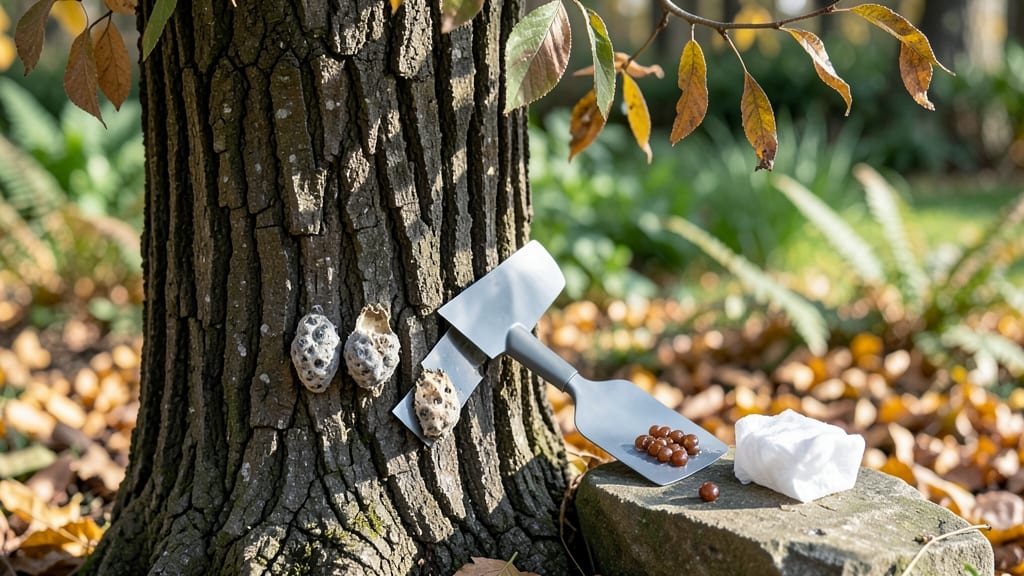
Spotted lanternfly egg masses are the silent threat lurking on your trees and fences. 🌳 I learned the hard way—those speckled, scummy patches hatch into a swarm that decimates gardens in weeks. The good news? Scraping them now prevents a full-blown invasion next summer.
These egg clusters look like small, gray mud splatters with a speckled pattern—often found on tree trunks, under bark, or even on outdoor furniture. The key is acting before late April when nymphs emerge. A plastic scraper and a baggie are all you need to remove them safely.
What you’re stopping isn’t just an eyesore—it’s an infestation that drains sap from fruit trees, grapes, and even maples. Without intervention, your garden could lose entire harvests to these invasive pests. The effort takes 10 minutes now or months of cleanup later.
Report confirmed sightings to your state’s agricultural department—they track outbreaks to protect regional crops. Even if you’ve never seen one, check your property this winter. Early action saves your garden and your neighbors’ too.
The Biology Behind Egg Masses
Spotted lanternfly egg masses are more than just a nuisance—they’re a survival strategy deeply rooted in the insect’s life cycle. Understanding why these egg clusters form helps homeowners and land managers combat their spread effectively. Here’s a breakdown of the key biological and environmental drivers behind their creation.
The spotted lanternfly (Lycorma delicatula) relies on specific host plants for survival, and egg-laying behavior is directly tied to these preferences. These invasive pests favor:
- Ailanthus altissima (Tree of Heaven)—their primary host, which provides ideal conditions for egg development.
- Other hardwoods like maple, walnut, birch, and willow, though they’re secondary choices.
- Young, healthy trees with abundant sap, which the nymphs will feed on after hatching.
Females seek out these plants in late summer to autumn, timing egg deposition to ensure nymphs emerge when fresh leaves and sap are available. Without these hosts, egg masses wouldn’t survive—so removal of Tree of Heaven reduces breeding grounds significantly.
Egg masses aren’t laid randomly—they’re a precise response to temperature and daylight cues. Here’s how climate plays a role:
- Cooling temperatures (below 50°F/10°C) trigger females to seek out sheltered spots (e.g., tree bark, stones, outdoor furniture) to deposit eggs.
- Day length shortens in fall, signaling the end of the adult feeding season and the start of reproduction.
- Eggs enter diapause (a dormant state) to survive winter, hatching only when temperatures rise above 50°F (10°C) for several consecutive days in spring.
Pro tip: 🌡️ Monitor local weather forecasts—egg masses are most active in regions with mild winters, like the Mid-Atlantic and Northeast U.S. Warmer climates expand their range, increasing risk.
Spotted lanternflies are gregarious, meaning they thrive in dense populations. This behavior influences egg-laying patterns:
- High adult densities lead to more egg masses, as females compete for optimal oviposition sites.
- Males release pheromones to attract females, but overcrowding can reduce mating efficiency, pushing females to lay eggs earlier or in suboptimal locations.
- First-generation adults (from spring hatchlings) produce fewer eggs than later generations, but their offspring compensate with larger, more numerous egg masses.
This explains why infested areas see exponential growth—each generation outpaces the last. Early intervention (scraping egg masses before hatching) disrupts this cycle.
While biology drives egg-laying, human behavior accelerates the spread. Unintentional transport via:
- Firewood, nursery plants, or outdoor gear moves egg masses to new locations.
- Vehicles and hiking trails carry adults or egg masses stuck to tires, boots, or equipment.
- Lack of awareness—many people mistake egg masses for seeds, lichen, or mold, unknowingly preserving them.
Actionable insight: 🚗 Inspect and clean gear, vehicles, and plants after traveling through infested zones. Report sightings to local agricultural extensions to contain outbreaks.
Key takeaway: Egg masses form due to a perfect storm of host plant availability, temperature cues, population density, and human movement. Disrupting any of these factors—especially through proactive scraping and reporting—can weaken the lanternfly’s grip on new territories.
Stopping Lanternfly Infestations Now
Discovering spotted lanternfly egg masses on trees, rocks, or outdoor furniture is alarming—but acting fast can prevent a full-blown invasion. The key is a mix of scraping, destroying, and prevention to stop these invasive pests before they hatch and spread.
Here’s how to tackle the problem step by step, with practical solutions tailored to each stage of the issue.
The first line of defense is physical removal of egg clusters. Lanternflies lay their eggs in late fall, and they’ll hatch in spring—so if you spot them now, act immediately.
- 🔍 Locate the Eggs: Check smooth surfaces like tree trunks, outdoor furniture, firewood, and vehicles. Egg masses look like gray muddy blobs with a frothy, cotton-like covering. - 🧤 Scrape Them Off: Use a putty knife, plastic scraper, or even your fingernails (with gloves!) to gently lift the masses. Avoid metal tools that could spread eggs. - 🔥 Destroy Immediately: Place the scraped eggs in a sealed bag or container, then dispose of them in the trash (not compost) or burn them if possible. Never leave them near plants.Pro Tip: 💡 If you’re squeamish about touching them, wear gloves and double-bag the eggs before disposal.
Lanternflies feed on over 70 plant species, including grapes, maples, and fruit trees. If you’ve already seen adults or nymphs, take these steps to limit damage.
#### 🍳 Apply Tree Bands (Physical Barrier)Wrap tree trunks with tree bands (available at garden centers) to trap nymphs as they climb. Check bands weekly and kill any insects you find.
#### 👨🍳 Use Insecticides (When Necessary)If infestations are severe, consider approved insecticides like:
- Neem oil (organic, safe for most plants)
- Bifenthrin or Esfenvalerate (chemical options, follow label instructions)
- Systemic insecticides (for high-risk trees like grapes)
Warning: 🌡️ Avoid spraying when bees or pollinators are active. Always follow product safety guidelines.
#### 🥘 Prune Infested BranchesIf you spot heavy feeding damage, prune and destroy affected branches. Seal cuts with pruning paint to prevent disease.
Break the lanternfly life cycle with these preventive measures:
- 🔪 Inspect Firewood: Lanternflies hitch rides on firewood. Buy local and avoid bringing wood from infested areas. - 🚗 Check Vehicles & Gear: After outdoor trips, inspect cars, trailers, and camping equipment for egg masses. - 🌿 Remove Host Plants Near Your Home: If possible, limit attractive plants like grapevines, walnut, and maple trees near high-traffic areas. - 📅 Stay Vigilant Year-Round: Report sightings to your state agricultural department or Stop the Spread program.Pro Tip: ✨ Set up yellow sticky traps in early spring to monitor adult activity before egg-laying season begins.
With consistent effort, you can stop lanternflies in their tracks before they become a full-blown menace. The sooner you act, the easier it is to protect your property—and your neighbors’ too!
Frequently asked questions
What do spotted lanternfly egg masses look like?
They resemble small, gray mud splatters with a frothy, cotton-like covering and tiny black specks. These clusters are often found on tree trunks, rocks, outdoor furniture, or even vehicles. They're about the size of a quarter but can vary in shape.
When is the best time to scrape egg masses?
Act now—before late April when nymphs emerge. Eggs hatch when temperatures consistently stay above 50°F (10°C). Winter and early spring (Dec-Feb) are ideal for removal since eggs are dormant but visible.
Can I use regular trash bags to dispose of egg masses?
Yes, but double-bag them first! Place the scraped masses in a sealed plastic bag, then put that inside another bag before tying it tight. This prevents any accidental escape. Never compost or leave them near plants—always dispose in outdoor trash bins.
What should I do if I find egg masses but can't scrape them all?
Take photos and report them immediately to your state agricultural department or Stop the Spread program. Even partial removal helps! They'll provide guidance on containment efforts in your area.
Will removing egg masses prevent future infestations?
Yes, but it requires year-round vigilance. While scraping egg masses stops current threats, you must also inspect firewood, vehicles, and plants regularly. Remove Tree of Heaven (their favorite host) if possible, and report any new sightings to prevent reinfestation.