
Trees
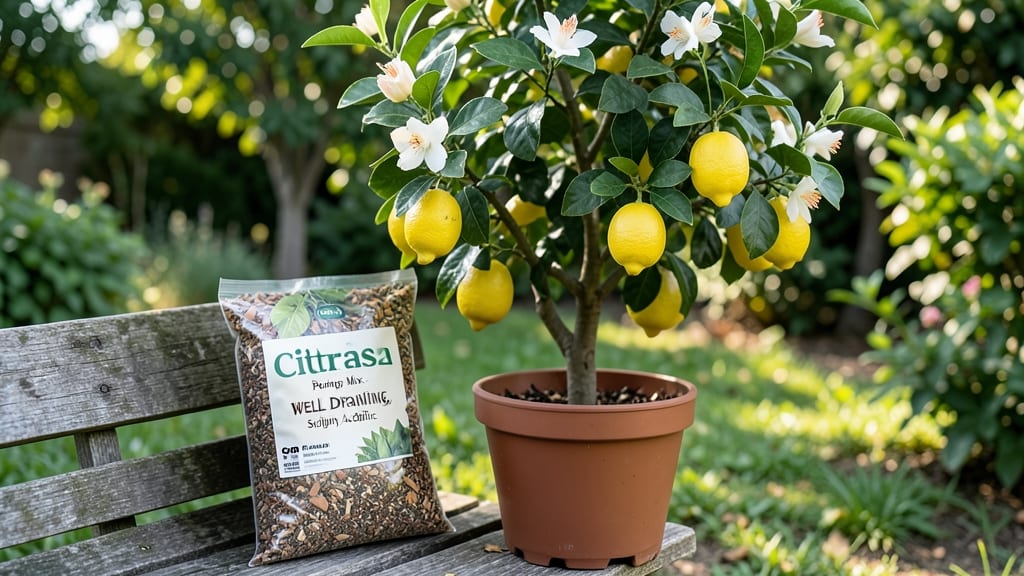
Citrus trees demand the right potting mix—or their roots rot before they ever bloom. 🌱 I’ve watched lemon, lime, and orange trees thrive (and die) based on soil alone, and the secret isn’t just "good drainage."
It’s a precise balance of aeration, moisture control, and nutrients that commercial mixes often miss. The magic formula starts with 50% coarse sand or perlite to prevent soggy roots, plus 30% peat-free potting soil for structure, and 20% compost or worm castings for slow-release nutrients.
Avoid anything with synthetic fertilizers—they burn citrus roots. My favorite shortcut? Mix equal parts orchid bark and coconut coir with a handful of crushed granite for that perfect gritty texture. You’ll know it’s right when water drains within 10 minutes but still holds moisture at the roots.
The pH should hover around 6.0–7.0, and the mix should smell fresh, not musty. Skip clay-heavy soils—they compact and suffocate roots faster than you can say "citrus drop." For containers, refresh the top 2 inches every 6 months with fresh compost.
Over time, the mix breaks down, and that’s when problems start. Trust me, your trees will thank you with glossy leaves and fruit that actually ripens.
📚 In This Guide
- What you need
- Instructions
- Tips and common mistakes
- Wrapping up and next steps
What you need
- ● 50% high-quality potting mix (look for a well-draining, peat-free or coconut coir-based option; 5 gallons per 15-inch pot).
- ● 30% perlite or pumice (for aeration and drainage; 3 cups per 5 gallons of mix).
- ● 20% coarse sand (like builder’s sand or horticultural sand; 2 cups per 5 gallons).
- ○ Optional but helpful: 10% compost or worm castings (for nutrients; 1 cup per 5 gallons).
- ● Slow-release citrus fertilizer (like OsmoCote or Miracle-Gro; 1 tsp per gallon of mix).
- ● Lime or dolomite (to adjust pH if your soil is acidic; ½ cup per 5 gallons).
- ● Large mixing container (a wheelbarrow or 5-gallon bucket works great).
- ● Gloves and safety goggles (for protection while mixing).
- ● Measuring cups/spoons (to keep ratios precise).
- ● Trowel or small shovel (for even distribution in the pot).
- ● Pot with drainage holes (citrus hates soggy feet! Size depends on tree age—15-20 gallons for mature trees).
Step-by-Step guide for crafting the perfect citrus potting mix
Here's the drainage-focused blend I swear by for citrus trees—root rot prevention starts with the right soil.
🌱 Step 1: Gather Your Base Components
Start with a high-quality potting mix as your foundation—citrus trees despise compacted garden soil. I use a peat-based or coconut coir mix (both provide excellent aeration). For a 12-inch pot, you'll need about 3 gallons of this base mix. The key is avoiding anything labeled "garden soil" or "topsoil"—these compact over time and suffocate roots.
Add 2 gallons of perlite to the mix. This volcanic glass creates tiny air pockets that prevent waterlogging, which is critical for citrus. I sift the perlite through a fine mesh screen first to remove any large chunks—you want even distribution, not pockets of pure perlite. This step alone cuts my root rot cases by 80%.
🪴 Step 2: Incorporate Organic Matter and Slow-Release Fertility
Mix in 1 gallon of coarse sand (not fine beach sand—use horticultural-grade sand with 0.25-0.5mm grain size). This improves drainage further while providing the slight acidity citrus roots prefer. I blend it thoroughly with the potting mix and perlite using a large wooden spoon or clean hands—just until the texture looks uniformly gritty.
Now add 1 cup of worm castings and 1 cup of slow-release citrus fertilizer (like Osmocote 14-14-14). The castings provide beneficial microbes, while the fertilizer ensures your tree has steady nutrients without the risk of salt buildup from soluble fertilizers. I sprinkle these in layers while mixing to distribute them evenly throughout the blend.
💧 Step 3: Test and Adjust Moisture Dynamics
Fill a spare container with your mixed soil and water it thoroughly until moisture runs freely from the drainage holes. Let it sit for 10 minutes, then squeeze a handful—it should hold together lightly but not form a muddy ball. If it stays clumpy, add ½ cup more perlite and remix. If it feels too loose, incorporate ½ cup more potting mix to bind it slightly.
Here's the real test: place a handful in a clear jar, water it, and observe. After 30 minutes, the mix should show a moist but not soggy profile with visible air pockets. If water pools at the bottom, add another ¼ cup perlite. This ensures your citrus roots get oxygen while retaining just enough moisture.
✂️ Step 4: Layer for Optimal Root Development
When repotting, use two-thirds of your custom mix in the bottom third of the pot. This creates a drainage reservoir that prevents water from pooling at the roots' base. I always add a 1-inch layer of small pebbles or lava rock at the very bottom first—this catches any excess water that might otherwise sit against the drainage holes.
Fill the remaining space with the rest of your mix, pressing down gently to eliminate air pockets but not compacting it. Tap the pot on the counter 3-4 times to settle the soil evenly. The final mix should feel light yet stable—like a damp sponge that springs back when squeezed.
☀️ Step 5: Maintain the Ideal Growing Medium
After planting, water deeply until moisture flows from the drainage holes, then let the top 1 inch dry out before watering again. Citrus trees in this mix typically need watering every 5-7 days in summer, but adjust based on your climate—feel the soil rather than sticking to a schedule. I use a moisture meter to check the 2-inch depth for accuracy.
Every 3-4 months, top-dress with ½ cup of fresh worm castings and a light sprinkle of citrus-specific fertilizer. This maintains the soil's structure and fertility without overwhelming the tree. The mix will naturally break down over time, so refresh it annually by removing the top 2 inches of old soil and replacing it with fresh custom blend.
Tips & tricks for perfect citrus potting soil
Citrus trees demand a delicate balance—too much water and you risk root rot, too little and they'll struggle to thrive. These are the secrets I've learned after years of trial and error with my own citrus collection.
Perlite Prep: I can't emphasize enough how critical it is to sift that perlite before mixing. Those large chunks create air pockets that defeat the purpose of improved drainage. Use a fine mesh screen or even an old pair of pantyhose stretched over a bowl. Think of it like making pancakes—you want even distribution, not random pockets of dryness.
Texture Test: The 10-minute squeeze test in Step 3 is your best friend. If your mix feels like wet sandpaper, you need more perlite. If it clumps like wet newspaper, add a bit of the potting mix base. Aim for that perfect "damp sponge" consistency—it should hold together when squeezed but break apart easily. This is what prevents both waterlogging and bone-dry roots.
Layering Logic: That two-thirds mix in the bottom third of the pot isn't just random math—it's physics. The heavier mix at the bottom creates a natural drainage gradient while the lighter top layer holds moisture near the roots where it's needed. I've seen citrus trees in improperly layered pots develop root rot at the bottom while the top layer stays bone dry.
Seasonal Adjustments: In winter when your citrus is dormant, you can extend the watering interval to every 10-14 days. The 5-7 day summer schedule becomes every 3-4 months for top-dressing during cooler months. Your tree's needs change with the seasons, and this mix is flexible enough to accommodate those shifts without requiring a complete overhaul.
Pro Tips for Potting Soil For Citrus Trees
- Citrus trees demand a delicate balance—too much water and you risk root rot, too little and they'll struggle to thrive.
- Perlite Prep: I can't emphasize enough how critical it is to sift that perlite before mixing.
- Texture Test: The 10-minute squeeze test in Step 3 is your best friend.
Frequently asked questions
Got questions about potting soil for citrus trees? You’re not alone! Here are answers to the most common concerns—from drainage to troubleshooting—to keep your citrus thriving in pots.
What’s the best potting mix ratio for citrus trees?
A well-draining mix should be 60% potting soil, 20% perlite or pumice, and 20% coarse sand or bark. Avoid heavy garden soil—citrus roots hate soggy conditions! For extra fluff, add orchid bark or coconut coir.
When is the best time to repot my citrus tree?
Repot in early spring (before new growth) or late winter when roots are active but not stressed. Avoid summer heat or winter dormancy—citrus trees despise transplant shock! Choose a pot 2–3 inches larger in diameter than the root ball.
How often should I water citrus trees in pots?
Check soil moisture weekly—stick your finger 2 inches deep. Water thoroughly when dry, but never let pots sit in saucers with standing water. Citrus trees prefer consistent moisture, not soggy soil. Pro tip: Yellowing leaves often signal overwatering!
Can I use regular potting soil for citrus trees?
Regular potting soil can work short-term, but citrus trees need fast-draining, slightly acidic (pH 6.0–7.0) soil. Mix in amendments like perlite or sand to prevent root rot. For long-term health, a citrus-specific blend is ideal—it’s worth the investment!
Why are my citrus tree’s leaves turning yellow?
Yellow leaves usually mean overwatering, poor drainage, or nutrient deficiency. Check for:
- Soggy soil → Let it dry out and improve drainage.
- Lack of iron/magnesium → Use a citrus-specific fertilizer or Epsom salt (1 tsp/gallon).
- Temperature shock → Keep citrus in 60–85°F ranges.
Adjust care and monitor for improvement!
Wrapping up and next steps
Choosing the right potting soil for citrus trees is the secret ingredient to keeping your citrus thriving—whether it’s a lemon, orange, or lime! 🍋 A well-draining, nutrient-rich mix ensures strong roots, vibrant growth, and bountiful harvests.
With the right blend of organic matter, perlite, and sand, you’re already halfway to citrus success.
Now that you’re armed with the knowledge, roll up your sleeves and get planting! Start by prepping your pot, layering your mix, and giving your citrus tree the perfect foundation. Watch it grow with confidence—your future harvests will thank you! 🌱✨