
Container Gardens
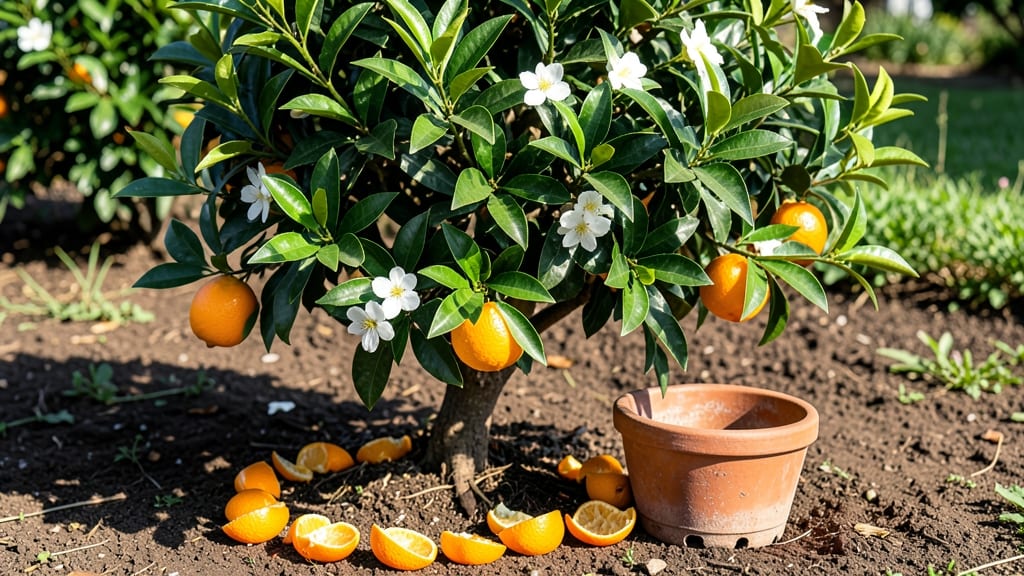
Adding orange peels to potted plants boosts soil fertility, deters pests, and improves drainage while cutting down on kitchen scraps—just bury dried peels or compost them directly into the soil for steady benefits.
Orange peels pack a surprising punch for container gardens thanks to their natural compounds.
The citrus oils act like a built-in pest repellent, keeping ants and aphids at bay, while the breakdown of organic matter adds essential nutrients over time. 🌱 I’ve noticed my acid-loving plants like blueberries and azaleas thrive with this method, though I always dry the peels first to prevent mold.
The key is moderation—too many can make the soil too acidic, so I limit it to one peel per pot every few weeks.
For best results, chop the peels into smaller pieces before burying them about an inch below the soil surface. This hidden placement prevents fruit flies while still letting the nutrients seep into the roots.
If you’re growing plants that prefer neutral soil, like herbs or succulents, mix the peels into compost first to mellow their acidity. The drainage boost comes from the peels’ fibrous texture, which helps prevent compacted soil in heavy pots.
💡 In This Article
- How Citrus Peels Enhance Soil and Plant Health
- Best Practices for Adding Orange Peels to Potted Plants
How citrus peels enhance soil and plant health
Orange peels contain powerful compounds like limonoids and flavonoids, which act as natural fertilizers when broken down in soil. These compounds release essential nutrients such as potassium, magnesium, and phosphorus over time, feeding plants gradually.
The limonoids, in particular, have been shown to stimulate microbial activity in the soil, creating a more vibrant ecosystem for roots. 🌱 This microbial boost helps decompose organic matter faster, making nutrients more accessible to plants.
The natural oils in citrus peels—like d-limonene—create a protective barrier against pests. These oils repel ants, aphids, and even fungus gnats by disrupting their scent trails and feeding patterns. Studies have found that d-limonene can reduce pest populations by up to 50% when used consistently.
The oils also have mild antifungal properties, helping prevent root rot in overly moist potted soils. However, the effect is strongest when peels are dried first, as fresh peels can attract fruit flies.
Citrus peels also influence soil pH, making them ideal for acid-loving plants like blueberries, azaleas, and gardenias. The breakdown of organic matter from peels lowers the pH slightly, creating a more acidic environment.
For plants that prefer neutral soil, like herbs or vegetables, it’s best to compost the peels first to mellow their acidity. The fibrous texture of dried peels also improves soil structure, enhancing drainage in heavy or compacted potted mixes. 💫
What’s fascinating is how these benefits unfold over time. When buried, peels decompose slowly, releasing nutrients in a controlled manner—unlike synthetic fertilizers, which can overwhelm plants. The gradual release mimics natural processes, leading to healthier root systems and more robust growth.
For example, a single dried orange peel buried in a 6-inch pot can provide nutrients for up to 4-6 weeks, depending on soil conditions.
Another key mechanism is the peels’ ability to attract beneficial microbes, like mycorrhizal fungi, which form symbiotic relationships with plant roots. These fungi help plants absorb water and nutrients more efficiently, further boosting growth.
The combination of nutrient release, pest deterrence, and microbial activity makes citrus peels a multifunctional soil amendment that goes beyond simple composting.