
Orchid Care
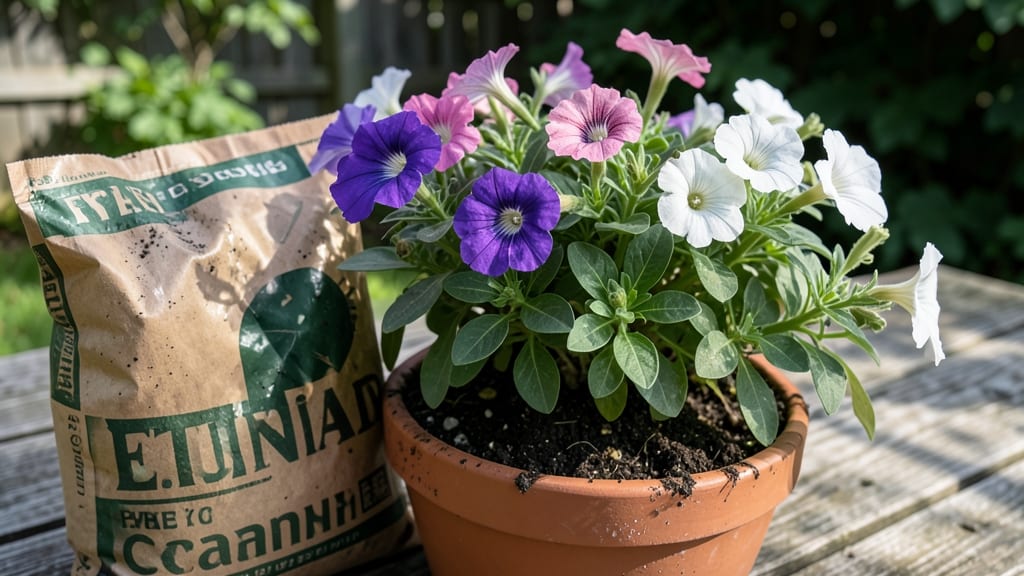
To find the best price for orchid potting mix, buy in bulk from garden centers or online stores like Tractor Supply Co., Home Depot, or Amazon, where 8–12 quart bags typically cost $5–$10 each while maintaining proper moisture control and aeration.
Orchid potting mix costs more than regular soil because it uses specialized ingredients like bark, sphagnum moss, and perlite to prevent root rot and improve drainage. 💛 Buying larger quantities often unlocks discounts, but I always check the ingredient list—some budget mixes skimp on bark or use lower-quality perlite, which can harm orchids long-term.
For example, Sun Bulb's 8-quart bags frequently go on sale for under $8 at Home Depot, while Amazon subscriptions can save you 10% off bulk orders.
Another smart move is mixing your own blend. A 50/50 mix of orchid bark and coconut coir (available separately) costs less per quart than pre-mixed bags while delivering identical performance. Just avoid cheap peat-heavy mixes—they compact over time and suffocate roots.
💡 In This Article
- Why Bulk Orchid Potting Mix Costs Vary by Brand
- Top Budget-Friendly Bulk Potting Mixes for Orchids
Why bulk orchid potting mix costs vary by brand
The price differences in orchid potting mixes come down to ingredient quality and composition. Premium mixes use finely shredded fir or pine bark, which costs more to process than cheaper alternatives like sphagnum moss or peat moss.
For example, a high-end mix might contain 50% bark for aeration, while budget blends often cut this to 30% or less. The bark's particle size matters too—1/4-inch to 1/2-inch chunks provide better airflow than finer particles, which is why top-tier mixes cost more.
Another cost driver is the type of mineral additives used. Perlite (a volcanic glass) is more expensive than vermiculite but offers superior aeration. A 10-quart bag of perlite can cost $8–$12, while vermiculite is often $5–$7.
Some budget mixes replace perlite with sand or charcoal, which don’t drain as effectively. The sphagnum moss ratio also impacts price—organic, high-quality moss costs 2–3x more than synthetic alternatives, but it retains moisture better for orchids.
Organic vs. synthetic blends create another pricing tier. Organic mixes use natural ingredients like coconut coir or orchid bark, while synthetic blends incorporate plastic-based additives to mimic aeration. Organic mixes cost 20–30% more but break down slower, lasting 1–2 years vs. 6–12 months for synthetic blends.
For example, Sun Gro’s Horticulture Orchid Mix uses organic bark and costs $10 for 8 quarts, while a generic brand with synthetic additives might sell for $6 for 4 quarts.
Shipping and packaging add hidden costs too. Bulk bags with thick, resealable liners prevent moisture loss but cost more than thin plastic bags. Online retailers like Tractor Supply Co. often bundle 4–6 bags for $30–$40, saving 15–20% vs. buying individually.
The key is balancing cost with orchid health—skipping bark or perlite may save money upfront but risks root rot or poor growth.
Seasonal pricing also plays a role. Stores like Home Depot often discount orchid mixes in winter (Dec–Feb) when demand drops, while spring (Mar–May) sees price hikes due to holiday sales.
For example, Sun Bulb’s orchid mix might drop to $7 for 8 quarts in winter but rise to $10 in spring. Subscribing to email alerts from retailers can help you catch these fluctuations.
Finally, consider the long-term cost of cheaper mixes. A $5 bag might seem like a bargain, but if it compacts after 3 months, you’ll need to repot sooner, costing more in labor and time.
Investing in a slightly pricier mix that lasts 12–18 months can actually save money over time. For instance, a $12 bag of high-quality mix might replace 3–4 cheaper bags** in the same period.