
Container Gardens
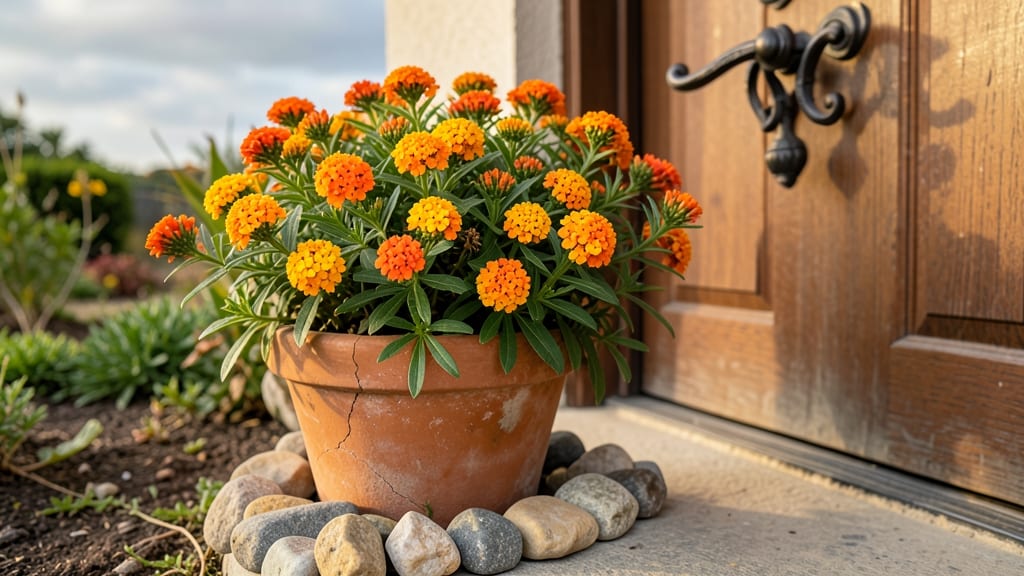
Your front door deserves a lush, welcoming greeting that makes neighbors stop and smile. 🌿 Potted plants by your front door aren’t just decoration—they’re the first impression of your home, and they can transform a plain entryway into a charming focal point in just a few minutes of styling.
The secret lies in drought-resistant plants that thrive in partial shade (like ferns or impatiens) paired with weatherproof containers that won’t crack in winter. A mix of textures—smooth ceramic, rustic terracotta, or woven baskets—adds depth, while strategic lighting (solar-powered path lights) makes the display glow after dark.
By the end of the weekend, you’ll have a year-round display that blooms in summer, stays green in fall, and even survives winter with the right choices. The best part? These plants need minimal care—just water when the top inch of soil feels dry.
Works for any home style, from cottage charm to modern minimalism. Let’s make your front door the envy of the block!
📚 In This Guide
- What you need
- Instructions
- Tips and common mistakes
- Wrapping up and next steps
What you need
- ● Potted plants (2-4): Choose a mix of sizes and textures—think snake plants, succulents, or ferns for low-maintenance appeal.
- ● Containers (2-4): Matching pots (ceramic, terracotta, or fiberglass) or repurposed buckets with drainage holes.
- ● Potting soil (2-5 gallons): High-quality, well-draining mix (or add perlite for extra airflow).
- ● Drainage materials: Small rocks or gravel (1-2 cups per pot) to prevent root rot.
- ● Gloves & trowel: For easy planting and soil handling.
- ● Watering can or hose: With a gentle spray nozzle for hydration.
- ○ Decorative accents (optional): Solar lights, pebbles, or a small trellis for extra charm.
- ○ Plant food (optional): Slow-release granules or liquid fertilizer for a nutrient boost.
Step-by-step instructions for potted plants by front door
Here's how to create an inviting entryway display that brightens your home's first impression.
🪴 Step 1: Choose the Right Containers and Plants
Pick containers that complement your home's style—terracotta adds rustic charm while modern pots suit contemporary designs. For a welcoming look, I recommend 2-3 containers of varying sizes (a large centerpiece with 2 smaller companions). Select plants that thrive in your climate: boxwoods for structure, petunias for color, and lavender for fragrance.
Check container drainage holes first—blocked holes lead to root rot. Place pots on saucers to catch excess water. I always choose plants with similar water needs to simplify care. For example, pair drought-tolerant succulents with Mediterranean herbs like rosemary and thyme.
☀️ Step 2: Prepare Soil and Position for Light
Fill containers with high-quality potting mix—never garden soil, which compacts and suffocates roots. Mix in a slow-release fertilizer to feed plants for 2-3 months. Water the soil thoroughly before planting to help roots establish quickly.
Position your containers where they'll receive 4-6 hours of sunlight daily. South-facing spots get the most light, but east or west exposures work too. Watch for afternoon sun—it can scorch delicate leaves. If your door faces north, opt for shade-tolerant plants like ferns or impatiens instead.
🌱 Step 3: Plant and Arrange for Visual Appeal
Dig holes slightly deeper than the plant's root ball to encourage stability. Place each plant in its container, then fill gaps with soil, pressing gently to remove air pockets. Water immediately after planting to settle the roots. For a polished look, arrange containers at different heights—place the largest pot at the base and smaller ones on either side.
Step back and check the arrangement from the street. The largest pot should draw the eye first, with smaller plants adding texture. I like to group odd numbers (3 or 5 pots) for a natural, balanced feel. Add a decorative stone or small garden stake for extra curb appeal.
💧 Step 4: Water and Maintain Through the Season
Water when the top inch of soil feels dry—stick your finger in to check. Most potted plants need watering every 2-3 days in summer, but adjust based on your climate. Avoid overhead watering, which can wash away soil and damage leaves. Instead, water at the base until it drains from the bottom.
Fertilize every 4-6 weeks with a balanced liquid fertilizer to keep plants vibrant. Prune spent blooms regularly to encourage new growth. In fall, reduce watering and move containers to a sheltered spot if frost is forecasted. This simple care routine keeps your front door display looking fresh all season long.
Tips & tricks for perfect potted plants by front door
Let me share the little details that make all the difference in creating a front door display that feels intentional and inviting.
Container Harmony: When selecting containers, consider the weight—heavier materials like stone or ceramic stay put in windy spots, while lightweight terracotta dries out faster. I always pair one large container (12-16 inches) with two smaller ones (6-8 inches) to create visual balance. This arrangement naturally draws the eye upward from the largest pot to the smaller companions, creating a pleasing focal point that frames your door.
Light Logic: The 4-6 hours of daily sunlight mentioned is your golden window—don't skimp on this! For south-facing doors, morning sun is gentler, while west-facing spots get intense afternoon heat. If your door faces north, choose shade-tolerant plants like ferns or heuchera that won't wilt under fluorescent lighting. I've learned this the hard way—once I placed petunias in full shade and they lasted exactly two weeks before turning into sad, leggy shadows.
Plant Pairing Strategy: When mixing plants, aim for the "thriller-filler-spiller" formula: one structural plant (like boxwoods) as your thriller, a textured plant (like lamb's ear) as filler, and a trailing plant (like sweet potato vine) as spiller. This creates instant visual interest. For example, pair your boxwood centerpiece with trailing petunias and lavender—it's a combination that's both fragrant and visually striking while requiring minimal maintenance.
Seasonal Transition: As seasons change, so should your plant selections. In spring and summer, focus on vibrant blooms like petunias and geraniums. For fall, switch to ornamental grasses and chrysanthemums that add color without requiring much sunlight. In winter, opt for evergreens like boxwoods or holly that provide structure and color when other plants go dormant. This simple rotation keeps your front door display looking fresh year-round.
Pro Tips for Potted Plants By Front Door
- Let me share the little details that make all the difference in creating a front door display that feels intentional ...
- Container Harmony: When selecting containers, consider the weight—heavier materials like stone or ceramic stay put in...
- Light Logic: The 4-6 hours of daily sunlight mentioned is your golden window—don't skimp on this! For south-facing do...
Frequently asked questions
Got questions about adding potted plants by your front door? You’re not alone! Here are some of the most common concerns—and easy answers—to help you create a welcoming entrance without the stress.
What are the easiest potted plants for a front door that thrive in partial shade?
Opt for shade-tolerant plants like heuchera (coral bells), hostas, or ferns. These handle fluctuating light well and add texture and color. For sun exposure, try succulents or bougainvillea—just ensure they get at least 6 hours of sunlight daily.
How often should I water potted plants near the front door?
Check soil moisture weekly—stick your finger 1-2 inches deep. Water when dry, but avoid soggy pots (overwatering kills roots!). Mulch helps retain moisture. In hot climates, water daily; in cooler ones, every 3-4 days may suffice. Pro tip: Use self-watering pots if you travel often!
Will potted plants attract pests like mosquitoes or rodents?
Not if you choose the right plants! Avoid stagnant water (like in overwatered pots) to deter mosquitoes. Use mosquito-repelling plants like citronella or lavender nearby. For rodents, keep pots elevated and avoid mulch piles. Regularly inspect leaves for pests and prune dead foliage.
Can I leave potted plants by the front door in winter?
Most potted plants survive mild winters, but protect them from freezing temps (<32°F). Move pots to a sheltered porch or wrap them in burlap. For tropical plants, bring them indoors or use frost cloth. Pro tip: Reduce watering in winter—soil stays moist longer in cold weather.
Are there budget-friendly alternatives to expensive potted plants?
Start with affordable options like herbs (basil, mint), succulents, or propagated cuttings from friends. Check local plant swaps, dollar stores, or nursery clearance sections. DIY terracotta pots or thrifted containers also cut costs. Bonus: Repurpose household items (like teacups) for a charming, eco-friendly look!
Wrapping up and next steps
Adding potted plants by your front door is a simple yet powerful way to transform your curb appeal—boosting your home’s charm, welcoming guests, and even lifting your mood! 🌿 Whether you’re a seasoned gardener or just starting out, the key is to start small, choose plants you love, and enjoy the process.
The best part? You don’t need a green thumb—just a little creativity and care.
Ready to make your entrance pop? Pick one or two plants today, grab a pot, and let your personality shine! 🌸 Next, snap a before-and-after photo to celebrate your new front-door oasis—you’ll be amazed at the difference a few minutes of effort can make.