Succulent
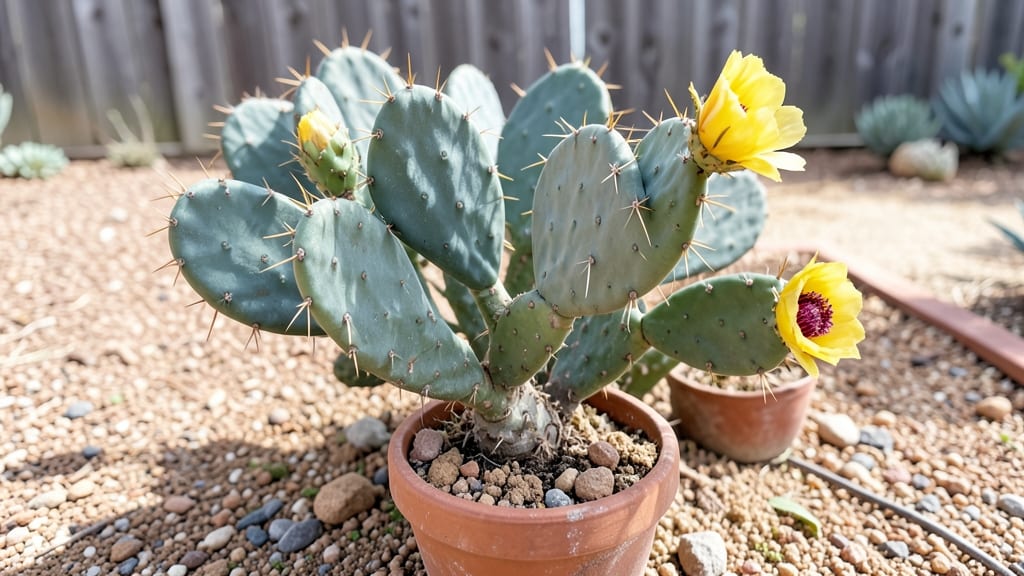
Potting a cactus properly means using fast-draining soil, a container with drainage holes, and careful handling to protect delicate roots. Plant shallowly in a cactus-specific mix and water sparingly to promote strong growth and prevent rot.
Cacti thrive when their roots get just the right conditions—too much moisture or compacted soil leads to rot or stunted growth. 🌵 The secret lies in mimicking their desert habitat: gritty, airy soil that dries quickly between waterings.
I've seen beginners overcomplicate this by using regular potting mix, which holds too much moisture. A simple blend of cactus soil (or 50% potting mix + 50% perlite/pumice) works wonders.
Also, choose a pot just 1-2 inches wider than the root ball—any larger, and the excess soil stays damp too long.
Timing matters too. Spring or early summer is ideal because roots grow most actively then, giving your cactus time to establish before winter dormancy. When repotting, gently tease apart roots if they're circling—this encourages outward growth.
After planting, wait 5-7 days before watering to let any disturbed roots heal. Patience here prevents the shock that kills many newly potted cacti.
💡 In This Article
- Choosing the Right Soil and Pot for Cactus Root Health
- Step-by-Step Cactus Repotting Process for Beginners
Choosing the right soil and pot for cactus root health
Cactus roots need oxygen as much as water—too much moisture without proper aeration creates the perfect storm for rot. The ideal soil mix mimics desert conditions by combining 60% mineral grit (like perlite, pumice, or coarse sand) with 40% organic matter (cactus soil or cactus/succulent mix).
This ratio prevents compaction while still providing nutrients. For example, a blend of 50% potting soil, 30% perlite, and 20% coarse sand works well for most species, while epiphytic cacti (like Christmas cacti) prefer 70% grit to mimic their tree-dwelling habitats.
The grit in cactus soil serves two critical functions: it creates air pockets that prevent waterlogging and speeds up drainage. Without this structure, water pools around roots, suffocating them within days. 🌵 Think of it like a sponge with holes—water drains through quickly, leaving roots dry between waterings.
Commercial cactus mixes often include pumice or lava rock, which are more porous than sand and maintain aeration better over time.
DIY mixes let you customize based on your cactus type: larger desert cacti (like saguaros) need larger grit particles, while smaller species (like lithops) thrive in finer, more organic blends.
Pot size directly impacts root health—too small restricts growth, while too large traps excess moisture. Choose a container that's only 1-2 inches wider than the root ball, with drainage holes at the bottom.
Terracotta pots are ideal because their porous walls wick away moisture, but plastic pots (with holes) work too if you monitor watering closely. Avoid decorative pots without drainage unless you're using a cache pot system (a secondary pot with holes inside a decorative outer pot).
The right pot size ensures roots spread outward rather than circling, which weakens the plant over time.
Seasonal timing also affects root health during repotting. Spring or early summer gives roots 6-8 weeks of warm weather to establish before winter dormancy. In colder climates, avoid repotting in fall—roots need active growth to recover from transplant shock.
When selecting a pot, consider its material: terracotta dries faster but can crack in freeze-thaw cycles, while plastic retains moisture longer but prevents temperature swings. For sensitive species like mammillarias, a slightly larger pot (with extra grit) helps prevent overwatering mistakes by giving you more room for error with drainage.
One common mistake is using garden soil or regular potting mix, which compacts easily and holds too much water.
These mixes lack the grit needed for proper aeration, leading to root rot within weeks. 🌵 To test if your mix is right, grab a handful and squeeze it—it should crumble easily when dry and drain completely within 10-15 minutes when wet.
If it stays clumpy, add more perlite or coarse sand. For container-grown cacti, consider adding a 1-inch layer of gravel or broken pottery shards at the bottom of the pot to further improve drainage and prevent soil from blocking the holes.