Container Gardens
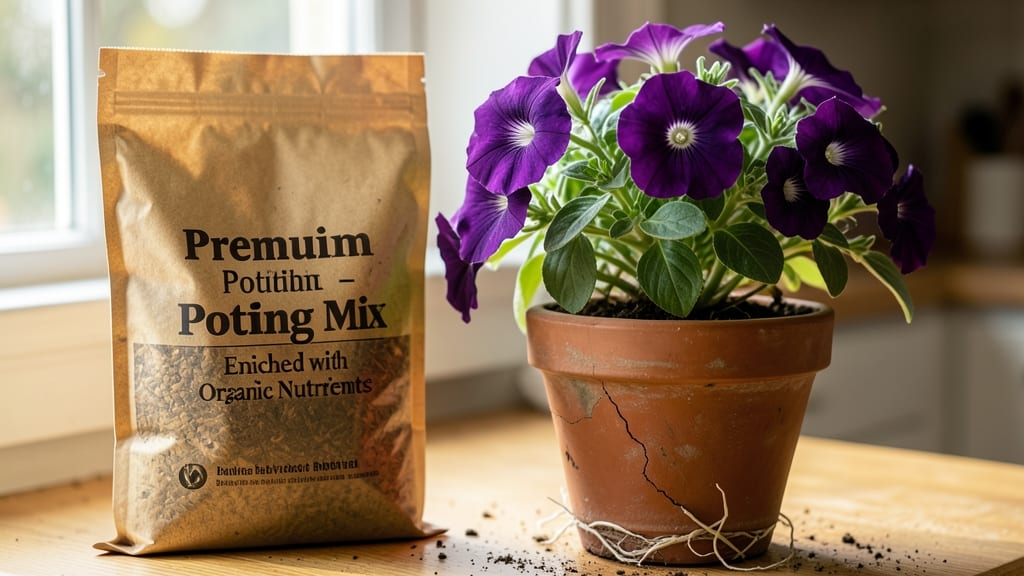
To refresh soil in potted plants every 12 to 18 months prevents nutrient depletion and root-bound issues, though tropical varieties may need annual soil changes while succulents can last 2-3 years in the same mix. Always watch for warning signs like slowed growth or unpleasant odors before repotting.
Soil quality degrades faster than most gardeners realize, especially in confined pots where water drains poorly and oxygen gets trapped. 🌱 Over time, organic matter breaks down, leaving behind dense, nutrient-starved dirt that can't support healthy roots.
Fast-growing plants like herbs or annuals show stress first, while slow growers might hide problems until it's too late. The key is balancing repotting frequency with your plant's natural growth cycle—some tropicals need fresh soil yearly, while hardy succulents might only require a top-dressing every few years.
What's interesting is how plant health signals soil exhaustion before you even notice the dirt's condition. 💡 Stunted growth, yellowing leaves, or that familiar "wet dog" smell all point to soil that's past its prime.
I've found that checking the root system during repotting reveals the real story—circled roots or dark, mushy areas mean it's definitely time for a change. The good news?
You don't always need to replace the entire pot—sometimes just adding fresh soil on top can give your plants a new lease on life.
💡 In This Article
- Why Soil Degradation Hurts Potted Plants
- Signs Your Potted Plant Needs Fresh Soil
Why soil degradation hurts potted plants
Soil in pots breaks down at an alarming rate—about 50% faster than garden soil because of limited oxygen and poor drainage. The organic matter, like compost or peat, decomposes within 12-18 months, leaving behind dense, compacted dirt that suffocates roots.
This process is called soil mineralization, where beneficial microbes consume organic material, releasing nutrients but also creating a hardpan that blocks water and air flow.
Fast-growing plants like basil or impatiens show the first signs of stress because they deplete nutrients quickly. Their roots struggle in depleted soil, leading to stunted growth or yellowing leaves. 🌱 Meanwhile, slow growers like snake plants might not show symptoms until 2-3 years because they absorb fewer nutrients.
The key difference? Fast growers need fresh soil every 12-18 months, while slow growers can sometimes go 2-3 years without a full replacement.
Microorganisms play a crucial role here—healthy soil has billions of bacteria and fungi that break down organic matter, but over time, these populations decline. Without fresh organic inputs, the soil loses its ability to retain moisture and nutrients.
This is why tropical plants, which thrive in nutrient-rich environments, often need annual soil refreshes. In contrast, succulents store water and nutrients in their leaves, allowing them to survive longer in the same soil.
Compaction is another silent killer. When soil particles pack tightly, they create air pockets that roots can't penetrate. This leads to root suffocation, where roots struggle to access oxygen and water.
You can test this by gently squeezing a handful of soil—if it feels like wet sand, it's time for a change. 💫 The texture should resemble crumbly cake batter, not dense clay.
One surprising factor is the pot's material. Terracotta pots dry out faster, which can actually help prevent compaction, while plastic pots retain moisture longer, accelerating decomposition. This is why plants in plastic pots often need soil changes more frequently.
The good news? Adding a layer of fresh, airy soil on top can sometimes revive a struggling plant by giving roots access to new nutrients without a full repotting.
pH levels also shift over time, becoming more acidic as organic matter decomposes. Most potted plants prefer a slightly acidic to neutral pH (6.0-7.0), but without regular soil refreshes, the pH can drop below 5.5, locking out essential nutrients like phosphorus and calcium.
This is why some plants develop brown leaf tips or weak stems even when they're getting enough water.