Container Gardens
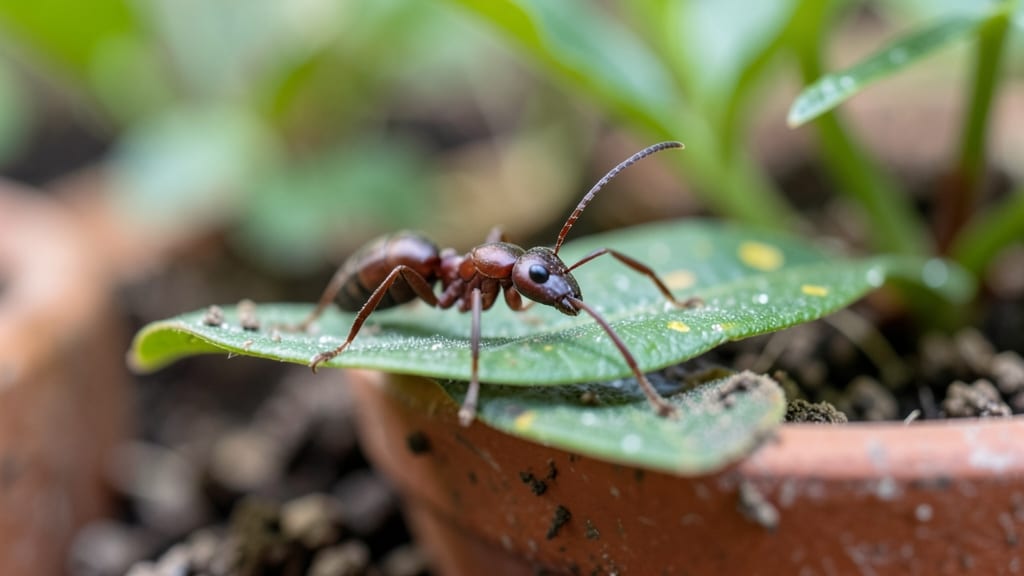
Ants in potted plants outside aren't just annoying—they can ruin your plants by protecting pests like aphids and mealybugs. 🐜 I've battled these tiny invaders for years, and I've found that the key to fast results lies in cutting off their trails and disrupting their colonies before they move in for good.
The problem starts when ants discover sugary plant sap or honeydew from pests, creating highways to your pots. Most store-bought sprays only work temporarily, but natural barriers like diatomaceous earth or vinegar-soaked cotton balls placed around pot edges send ants packing within 24 hours.
The trick is persistence—ants are stubborn, but they're also creatures of habit. What you'll achieve is a clean, ant-free container garden where your plants thrive without constant invasions. You'll spot fewer pests too, since ants act as their bodyguards. The best part?
These solutions work in all outdoor conditions, from sunny patios to shady balconies. For long-term protection, focus on removing sugar sources (like overripe fruit) and keeping pots slightly elevated. Here's how to make it happen without harming your plants or the environment.
The Hidden Lures Drawn To Your Pots
Those tiny invaders marching through your potted plants aren’t just random stragglers—they’re following a scent trail straight to your soil. Understanding why they’re there is the first step to stopping them. Here’s the science behind their uninvited visits, broken down into the most common triggers:
Ants don’t just love your plants—they’re chasing the aphids, mealybugs, or scale insects already hiding in them. These sap-sucking pests excrete a sugary substance called honeydew, which ants crave.
Once ants discover a honeydew source, they’ll recruit their colony to farm it like a buffet, leaving behind trails of pheromones that signal: “All you can eat, right here!”
🔍 How to spot it:
- Sticky residue on leaves or pots (like tiny syrup drips).
- Visible aphids (tiny green/black bugs clustered on stems or undersides of leaves).
- Ants moving in straight, busy lines (their “highway” to the food source).
💡 Pro tip: If you see ants but no obvious pests, check the soil surface—aphids often hide there, too. A quick spray of soapy water (1 tsp mild dish soap + 1 quart water) can dislodge them before they multiply.
Potted plants offer ants three critical things their outdoor environment lacks: moisture, shade, and protection. Soil retains water longer than bare ground, creating a humid microclimate ants adore. Plus, the pot’s edges and mulch provide hidden tunnels to avoid predators like birds or spiders.
📊 Ant nesting preferences:
Factor
Why Ants Love It
Organic mulch (wood chips, bark)
Breaks down into food and shelter.
Overwatered soil
High humidity keeps their tunnels from drying out.
Pots near sidewalks or foundations
Provides a bridge to indoor food sources.
🌡️ Warning sign: If your pots are consistently damp (e.g., saucers with standing water), ants see them as a 24/7 watering hole. Let the top inch of soil dry between waterings to discourage them.
Let’s be honest—you might be the reason ants are crashing your garden party. Even small food debris (like a dropped cookie crumb or a spilled soda) can attract scout ants, who’ll never leave without recruiting reinforcements.
Once they find a way into your pots, they’ll treat the soil like a dumpster.
🚫 Common human mistakes:
- Feeding pets near potted plants (dropped kibble = ant magnet).
- Using compost tea or fish emulsion fertilizers (smells like a five-star restaurant to ants).
- Storing pet food or outdoor snacks (like beer or chips) near pots.
✨ Quick fix: Wipe down pot rims and saucers with vinegar or rubbing alcohol—the strong smell masks food odors and disrupts ant pheromone trails.
Not all plants are equal in the ant attraction game. Fast-growing, sugary, or soft-stemmed plants are like neon signs to ants and their pest partners. For example:
- Succulents & Cacti: Mealybugs thrive here, and ants love the honeydew.
- Ferns & Hostas: Their dense foliage traps moisture, creating ant-friendly hideouts.
- Citrus Trees: Scale insects adore citrus, and ants will farm them aggressively.
🎯 Actionable tip: If you’re growing high-risk plants, inspect them weekly for pests. A few drops of neem oil (diluted per label) can deter both ants and their aphid “employees.”
Natural Ways to Kick Out Ants
Now that you know why ants are crashing your outdoor potted plant party, let’s tackle the problem with effective, chemical-free solutions that won’t harm your plants—or your sanity. Below, we’ve matched common causes to the best fixes, plus prevention tips to keep those tiny invaders from returning.
---
Ants don’t just wander in—they’re following a scent trail to food. If your plants are attracting them, it’s likely because of: - Sap or honeydew from aphids, scale insects, or mealybugs - Overripe fruit or fallen petals - Organic debris (like mulch or dead leaves)
#### 🍳 Clean Up the Crumbs (Literally) 1. Inspect your plants 🔍 for pests like aphids or scale. Wipe them off with a soapy water spray (1 tsp mild soap per quart of water).
2. Remove fallen fruit, flowers, or mulch 🧹 near the base of pots. Ants use these as highways! 3. Prune overgrown leaves 🌿—less surface area means fewer hiding spots for pests that attract ants.
#### 💡 Pro Tip: - Cinnamon or citrus peels 🍊 sprinkled around the pot’s base can mask food scents. Reapply after rain.
---
Ants are tiny but determined—they’ll march through cracks, climb stems, or even bridge between pots. Stop them with these low-effort barriers:
| Barrier Type | How to Use It | Best For | |------------------------|--------------------------------------------|-------------------------------| | Diatomaceous Earth (DE) 🪨 | Sprinkle a 1-inch ring around the pot (avoid direct plant contact). | Sandy soil, cracks in containers | | Copper tape 🔵 | Wrap a 1-inch strip around the pot’s rim.
Ants avoid copper! | Clay or plastic pots | | Sand or gravel 🏖️ | Create a 1-inch barrier between soil and pot edge. | Decorative pots, raised beds | | Double-sided tape 🎀 | Stick it inside the pot’s drainage holes to block climbers. | Hanging or elevated pots |
#### ⚠️ Warning: - Avoid DE on windy days—it can blow into plant foliage. - Reapply barriers after rain—ants will find new paths!
---
Ants rely on pheromone trails to recruit reinforcements. Break the chain with: - Boiling water 🔥: Pour it along their trails (but avoid plants).
Works best at night. - Ice cubes ❄️: Place them near entry points to cool the soil, slowing ant activity. - Vinegar spray 🍶: Mix 1:1 vinegar and water, spray trails (test on plants first—some dislike acidity).
#### 🎯 Targeted Attack: - Spot-treat only where you see ants—don’t drench the whole plant.
---
Once you’ve evicted the ants, keep them out with these passive defenses:
✅ Repot with fresh soil 🏺—old soil may hold ant eggs or food residues. ✅ Use ant-repellent plants 🌿 like mint, lavender, or basil near your pots. ✅ Keep pots elevated 🪜 on stands or bricks to prevent ground ants from climbing. ✅ Water in the morning 💦—ants hate dampness and will avoid soggy trails.
#### ✨ Bonus Hack: - Coffee grounds ☕ scattered around pots confuse ant scent trails and add nitrogen to soil.
--- Final Reminder: Consistency is key! Check your barriers weekly and adjust as needed. With these tricks, your potted plants will stay ant-free—and your garden will thrive without the tiny freeloaders. 🚫🐜
Frequently asked questions
Why do ants suddenly appear in my potted plants?
Ants invade potted plants because they follow trails of honeydew—a sugary substance left by pests like aphids or mealybugs. These tiny pests often hide in plant foliage, creating a buffet that ants can't resist. Check for sticky residue on leaves or visible bugs clustered on stems.
Will vinegar really keep ants away from my outdoor pots?
Yes! Mix equal parts white vinegar and water in a spray bottle and apply it around the pot's base and soil surface. The strong smell disrupts ant pheromone trails. Reapply every 3-4 days or after rain, as the scent fades quickly. Test on a small area first to ensure it won't harm your plants.
Is diatomaceous earth safe for my plants if I use it as a barrier?
When used correctly, food-grade diatomaceous earth (DE) is safe for plants. Sprinkle a 1-inch ring around the pot's edge, avoiding direct contact with foliage. DE works by dehydrating ants, but it's non-toxic. Just avoid applying it on windy days—it can blow into plant leaves and lose effectiveness.
How can I prevent ants from climbing into hanging pots?
For hanging pots, create a physical barrier by wrapping copper tape around the pot's rim or placing double-sided tape inside drainage holes. Ants naturally avoid copper, and the tape blocks their entry points. Elevating pots on stands also reduces ground ant access.
What plants naturally repel ants from my container garden?
Plant mint, lavender, basil, or rosemary near your pots—their strong scents confuse ant trails. These herbs also deter other pests while adding beauty to your outdoor space. Just be mindful that mint can spread aggressively, so plant it in its own container.