
Pests and Diseases
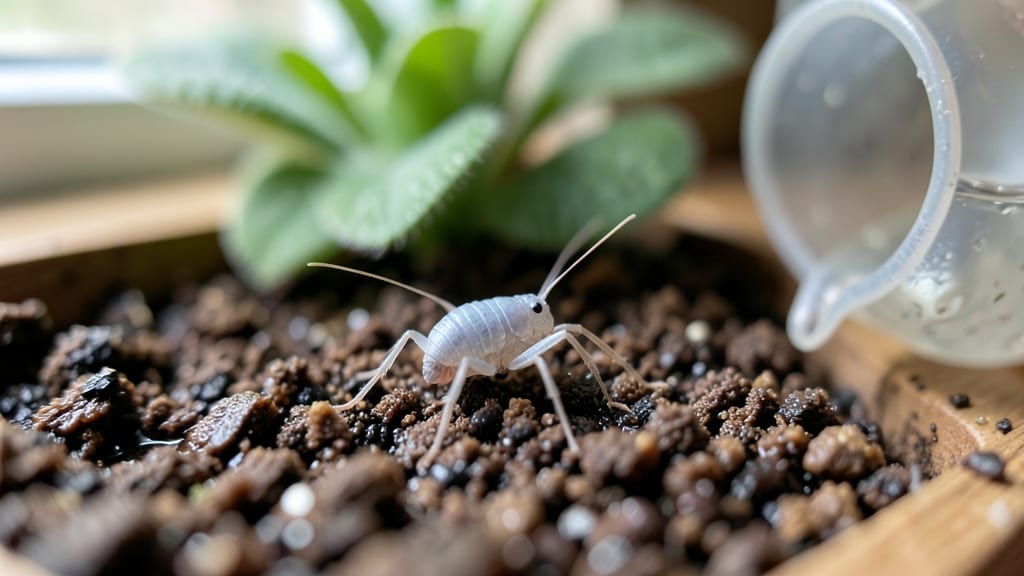
Finding tiny critters in your potting soil isn’t the end of the world—it’s just nature’s way of telling you it’s alive. 🌱 Most bugs like fungus gnats or springtails are harmless, but they can become a nuisance if left unchecked.
The key is quick action: proper identification and simple, organic fixes keep your plants thriving without harsh chemicals.
These soil-dwellers thrive in moist, organic-rich environments—think overwatered pots or fresh compost. Fungus gnats lay eggs in damp soil, while springtails love decaying plant matter. The good news? A few easy adjustments—like letting the top inch dry between waterings or adding a layer of sand—can make your soil less inviting.
Prevention is easier than dealing with an infestation later.
You’ll solve the problem fast with natural remedies like neem oil sprays or cinnamon dust on the soil surface. These disrupt the life cycle without harming your plants or the environment.
Within a week, you’ll see fewer bugs and healthier roots. The best part? Your soil stays safe for repotting and future plantings.
If the problem persists after trying these methods, it might be time to check for hidden issues like rot or over-fertilization. For stubborn cases, replacing the top layer of soil often works wonders. Most gardeners see results within 2-3 weeks—just stay consistent with your approach.
Hidden Invaders Exposed
Potting soil isn’t just a cozy home for your plants—it’s also an all-you-can-eat buffet for tiny critters. But why do these uninvited guests keep showing up? The answer lies in a mix of natural ecosystems, human habits, and even the soil’s own biology.
Let’s break down the real reasons behind these creepy-crawly intrusions.
Soil is a bustling ecosystem, teeming with microorganisms, fungi, and insects—many of which are beneficial. However, when conditions shift, harmless (or helpful) bugs can become pests. Here’s how:
- Decomposers gone rogue: Organisms like springtails, fungus gnats, and nematodes thrive on decaying organic matter. If your soil is too rich in compost or old plant debris, these bugs multiply uncontrollably, turning from recyclers into nuisances.
- Moisture magnets: Overwatering creates the perfect humid microclimate for moisture-loving pests. Fungus gnats, for example, lay eggs in damp soil, and their larvae feast on roots—weakening your plants.
- Lack of predators: Healthy soil has natural predators (like ground beetles or mites) that keep pest populations in check. But if you’ve used sterilized or chemically treated soil, these balance-breakers are missing, allowing bugs to thrive unchecked.
💡 Pro Tip: Use sterilized or pasteurized potting mix for seed-starting to skip the hitchhikers entirely. For repotting, mix in sand or perlite (10-20%) to improve drainage and deter moisture-lovers.
Not all potting soil is created equal—and neither are its inhabitants. Many commercial mixes contain:
| Ingredient | Why It Attracts Bugs |
|---|---|
| Peat moss | Holds excessive moisture, creating fungus gnat and shore fly breeding grounds. |
| Compost | Fresh compost can harbor live eggs or larvae from decomposed plant material. |
| Perlite/vermiculite | While sterile, these additives can protect hidden pests from drying out during storage. |
| Bark or wood chips | Attracts termites, carpenter ants, or even earwigs seeking shelter. |
🔥 Hot Fix: If you suspect store-bought soil is the culprit, bake it in the oven at 200°F (93°C) for 30 minutes to kill eggs and larvae. Let it cool completely before use.
Even the most careful gardeners can accidentally invite pests. Here’s how:
- Reusing contaminated soil: Old potting mix may still harbor dormant eggs or pupae. If you repot without sterilizing, you’re giving bugs a free move-in.
- Poor drainage: Waterlogged pots create anaerobic (oxygen-poor) zones where anaerobic bacteria and pests like root maggots thrive. Check for glazed pots or compacted soil as red flags.
- Outdoor-to-indoor transfer: Bringing in infested outdoor plants, tools, or even shoes can introduce bugs to your indoor garden.
- Over-fertilizing: Excess nitrogen (from synthetic fertilizers) fuels fungal growth, which attracts fungus gnats and shore flies.
✨ Prevention Hack: Always quarantine new plants for 2–4 weeks in a separate space before introducing them to your main garden. Inspect leaves, stems, and soil for hitchhikers.
Temperature and humidity play a huge role in bug activity. Here’s how:
- Warm, humid conditions: Ideal for fungus gnat and shore fly reproduction. These pests peak in spring and summer when indoor humidity rises.
- Cold snaps: Some bugs (like scale insects) go dormant in winter but reactivate when temperatures climb, leading to sudden infestations.
- Dry spells: While drought deters some pests, it can also cause stress-related plant weakness, making them more vulnerable to attacks from hungry insects.
🌡️ Climate Control Tip: Use a hygrometer to monitor humidity—keep it between 40-60% to discourage moisture-loving pests. A small fan on low can also dry out damp soil surfaces.
Quick Fixes for Common Soil Invaders
Finding unwanted critters in your potting soil can be frustrating, but the good news is most issues have simple, natural solutions. Below, we’ve mapped common culprits to targeted fixes—plus prevention tips to keep your soil bug-free long-term. Let’s tackle these pests head-on! 🚀🌱
Cause: Overwatered soil or decaying organic matter attracts these moisture-loving pests. Fix: - 🔥 Dry Out the Soil – Let the top 1–2 inches dry between waterings. Use a moisture meter if needed. - 🍳 DIY Yellow Trap – Mix 1 tbsp dish soap with 1 cup water in a shallow dish. The gnats will drown, and you’ll see them within days. - 👨🍳 Add Beneficial Nematodes – These microscopic predators target fungus gnat larvae. Apply to moist soil as directed. - 🥘 Prevent Future Infestations – Use well-draining soil mixes and avoid over-fertilizing with organic matter. Cause: Laid by beetles in garden beds or nearby soil, these chewers can damage roots. Fix: - 🔪 Handpick & Dispose – Check soil at dusk when grubs are active. Drop them in soapy water. - 🌡️ Heat Treatment – Place a heat lamp (or sunlight) over the pot for a few hours to dry out the soil and kill larvae. - 🎯 Diatomaceous Earth (DE) – Sprinkle food-grade DE on the soil surface. It dehydrates the pests without harming plants. - ✨ Prevention Tip – Use row covers in garden beds or repot plants in sterile soil if grubs are recurrent. Cause: These guys hitchhike on plants or seek shelter in damp soil. Fix: - 💡 Relocate Gently – Use a damp paper towel to scoop them out and release them outdoors. - 🌱 Improve Airflow – Ensure pots have drainage holes and aren’t overcrowded. - 🔥 Citrus or Vinegar Spray – Mix 1 part vinegar with 3 parts water and lightly mist the soil (avoid leaves). The smell deters them. - 🎯 Long-Term Fix – Sterilize new soil by baking it at 200°F (93°C) for 30 minutes to kill eggs. Cause: Ants follow sugar trails, while carpet beetles target fabric or pet dander in potting mixes. Fix: - 🚫 Block Entry Points – Seal cracks in pots or containers with caulk. - 🍎 Bait Stations – Use borax or diatomaceous earth around the pot’s base to disrupt trails. - 🧹 Clean Up Debris – Remove dead leaves or pet hair from soil surfaces. - 🌡️ Freeze Infested Soil – Place small pots in a sealed bag in the freezer for 48 hours to kill eggs/larvae. Cause: Overripe compost or rotting plant matter attracts these flies. Fix: - 🔪 Remove Affected Soil – Scoop out the top 1–2 inches of contaminated soil and replace with fresh, sterile mix. - 🍳 Apple Cider Vinegar Trap – Fill a small cup with ACV and cover with plastic wrap (poke holes). Flies will land and drown. - 🌱 Adjust Watering – Water only when the top inch feels dry to prevent anaerobic (rotting) conditions. - 💡 Pro Tip – Add a handful of coarse sand or perlite to improve drainage and reduce moisture retention.🔥 Bonus: For persistent issues, consider sterilizing your tools with rubbing alcohol between uses to avoid reinfestation. Most bugs are a sign of excess moisture or poor hygiene—fix those, and your soil will stay clean! 🌿
Frequently asked questions
Are all bugs in potting soil harmful to my plants?
Most tiny soil-dwellers like springtails or pill bugs are harmless decomposers that actually help break down organic matter. The real troublemakers are fungus gnats (larvae eat roots) or grubs (chew roots). Focus on moisture control—most beneficial bugs thrive in dry conditions, while pests need damp soil to survive.
How do I tell if my soil bugs are beneficial or harmful?
Check their size and behavior: harmless bugs (springtails, mites) are 1-3mm and move quickly. Harmful ones (fungus gnat larvae, grubs) are 3-10mm, sluggish, and often white or translucent. Look for root damage or yellowing leaves—those are red flags for pests.
Will cinnamon really keep bugs away from my potting soil?
Yes! Sprinkle a thin layer of ground cinnamon on the soil surface—it disrupts fungus gnat and ant trails while being safe for plants. Reapply every 2-3 weeks or after watering. For extra protection, mix 1 tsp cinnamon with 1 cup water and lightly spray the soil (avoid leaves).
How often should I check my potting soil for bugs?
Inspect your soil every 2 weeks during active growing seasons (spring-fall) and monthly in winter. Use a flashlight to spot tiny movement in the top 1-2 inches of soil. New plants or repotted soil should get an immediate check—these are high-risk periods for hidden pests.
Can I reuse potting soil that had bugs last season?
Only if you sterilize it first! Spread the soil on a baking sheet and bake at 200°F (93°C) for 30 minutes to kill eggs and larvae. For large batches, use a microwave-safe container (cover with damp paper towels) for 2 minutes on high. Always test moisture levels after treatment—sterilized soil dries out faster.