Container Gardens
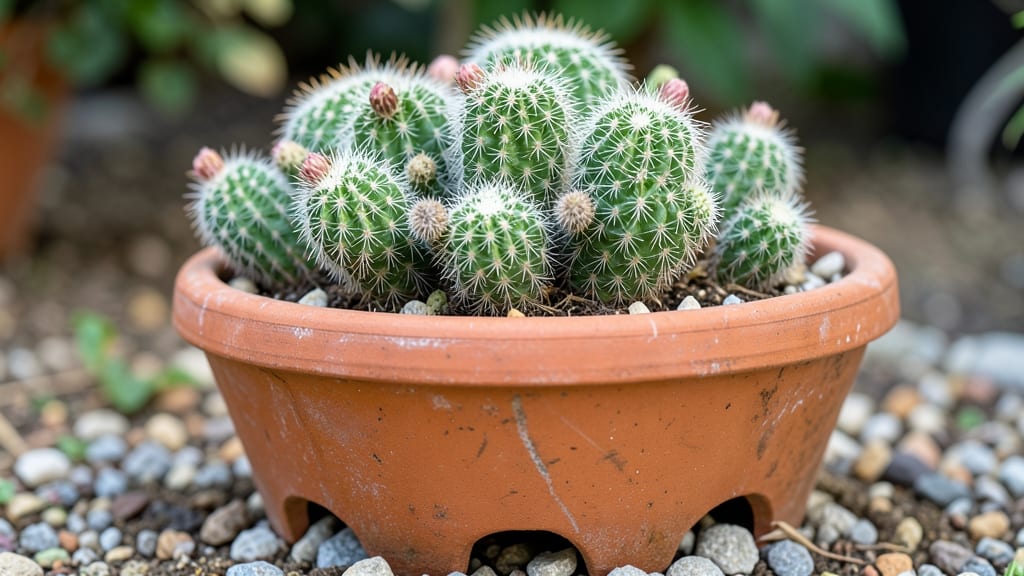
A cactus potted garden transforms any sunny spot into a striking desert oasis with almost no effort. 🌵 I’ve turned my balcony into a mini Sonoran landscape using nothing but thrifted pots and a handful of hardy cacti—no watering schedule to remember, no wilting drama.
The key is playing with textures (spiky, smooth, ribbed) and letting the plants do the work. Start with a mix of sun-loving cacti like prickly pear, snake plants, and echeverias—they thrive in the same conditions and complement each other beautifully.
Use terracotta pots for their natural, earthy look, or go bold with glossy black containers for a modern twist. Group odd-numbered pots together (3, 5, or 7) for natural balance, and vary heights to create visual interest.
By the end of the season, you’ll have a low-maintenance masterpiece that blooms with seasonal color (yes, cacti can flower!) and requires less care than most houseplants. The best part? You can move the whole setup indoors during winter if your climate gets chilly.
Whether you’re going for a minimalist Zen vibe or a wild, overgrown desert feel, the possibilities are endless. Here’s how to pull it off without killing a single cactus.
📚 In This Guide
- What you need
- Instructions
- Tips and common mistakes
- Wrapping up and next steps
What you need
- ● Cacti (3–10 plants): Choose varieties like Mammillaria, Echeveria, or Opuntia for diversity. Start with 3–5 for a small setup or up to 10 for a lush, layered look.
- ● Pots (1–3 containers): Drainage holes required! Opt for terracotta, ceramic, or plastic (5–12" diameter, depending on cactus size).
- ● For multi-cactus pots, use 1–2 larger containers (12–18" diameter) with a mix of small and medium cacti.
- ● Well-draining soil (2–5 gallons): Mix 50% cactus/succulent soil with 50% perlite or pumice for aeration. Avoid garden soil—it retains too much moisture!
- ○ Gravel or pebbles (1–2 cups): For decorative drainage layers or pot topping (optional but stylish!).
- ● Gloves (1 pair): Cactus spines are sneaky—opt for thick gardening gloves or long-sleeve shirts.
- ● Small trowel or spoon: For planting delicate cacti without crushing them.
- ● Watering can (with a narrow spout): Prevents overwatering by targeting roots directly.
- ○ Decorative elements (optional): Miniature rocks, sand, or succulents for texture.
- ● Painted pebbles or mosaic tiles for a boho-chic vibe.
- ● Sunlight spot: Choose a location with 4–6+ hours of direct sunlight daily (south- or west-facing windowsills or outdoor patios).
- ● Patience: Cacti grow slowly—plan for 1–3 years to see full, vibrant displays.
- ● Watering discipline: Less is more! Wait until the soil is completely dry (every 2–4 weeks, depending on climate).
Step-by-Step instructions for creating a thriving cactus potted garden
Here's how I turn a simple container into a stunning, low-maintenance desert escape—no green thumb required.
🪴 Step 1: Choose and Prepare Your Containers
Start with containers that have drainage holes—cacti despise soggy roots. I like to use shallow, wide pots for small cacti or deep, narrow ones for taller varieties. Clean them thoroughly with warm, soapy water and rinse well to remove any residue that could rot roots. For a cohesive look, pick containers in similar colors or textures—terracotta, ceramic, or even repurposed metal buckets work beautifully.
If your containers don't have drainage, drill holes in the bottom and cover them with a piece of mesh or broken pottery to prevent soil from washing out. The key here is airflow—cacti need it as much as they need sunlight. Place a small layer of pebbles or coarse sand at the bottom of each container to create a drainage layer that keeps roots from sitting in water.
🌱 Step 2: Layer Soil for Optimal Drainage
Cacti thrive in gritty, fast-draining soil that mimics their natural desert habitat. Mix 50% cactus or succulent soil with 30% coarse sand or perlite and 20% pumice or small gravel. This blend prevents compaction and allows excess water to escape quickly. Fill each container about 2/3 full with your mix, leaving room for the cactus to sit with its base just above the soil line.
Don’t pack the soil too tightly—press it down gently but leave it loose enough for roots to spread easily. I like to tap the container lightly on the table to settle the soil evenly. If you’re using multiple containers, fill them all to the same level to keep your garden looking balanced. This layering is critical: poor drainage is the #1 killer of potted cacti.
☀️ Step 3: Plant Your Cacti with Care
Handle cacti gently—those spines are serious! Use a small trowel or your fingers (wrapped in thick gloves if needed) to dig a hole in the soil that’s just slightly wider than the cactus’s root ball. Place the cactus in the hole and fill the gap with your soil mix, pressing lightly around the base to secure it. Leave the top of the cactus exposed—burying it too deep can cause rot.
For a fuller look, plant smaller cacti in groups of 3-5 per container, spacing them 1-2 inches apart. Larger cacti can stand alone or be paired with smaller varieties for contrast. Water lightly after planting to help settle the soil, but resist the urge to overdo it—cacti store water in their stems, so they don’t need a drink right away.
💧 Step 4: Water and Position for Success
Wait 3-5 days before watering your newly planted cacti. When you do water, soak the soil thoroughly until it drains completely from the bottom of the container. Let it dry out completely before watering again—this usually takes 1-2 weeks, depending on your climate. Overwatering is the fastest way to kill a cactus, so I always check the soil by sticking my finger 1 inch deep. If it feels dry, it’s time to water.
Place your potted garden in a spot with bright, indirect light for the first week to help it acclimate. After that, move it to a location with full sun (6+ hours daily). A south-facing window, patio, or balcony works perfectly. If you notice the cactus leaning toward the light, rotate the container a quarter turn every few days to encourage even growth.
✂️ Step 5: Maintain with Minimal Effort
Feed your cacti once in spring with a balanced, diluted fertilizer (half-strength). I use a slow-release fertilizer to avoid burning the roots. Skip fertilizing in winter when growth slows down. Dust the leaves occasionally with a soft brush or cloth—cacti in indoor spaces can get a thin layer of dust that blocks sunlight.
Watch for signs of stress: wrinkled skin means underwatering, while soft, mushy stems signal overwatering. If you see pests like mealybugs or scale, wipe them off with a damp cloth or treat with neem oil. Repot every 2-3 years or when the cactus outgrows its container, using fresh soil mix. With this routine, your cactus garden will stay vibrant for years with almost no effort.
Tips & tricks for perfect cactus potted gardens
Transforming containers into thriving desert gardens takes more than just planting—it's about creating the right conditions. Here's what I've learned after watching countless cacti thrive (and a few that didn't make it).
Container Selection: The drainage layer in Step 1 is non-negotiable—if your containers don't have holes, create them! I've seen cacti survive for years in repurposed buckets with drilled holes covered by mesh. For extra insurance, add a layer of charcoal at the bottom before your pebbles—it helps prevent bacterial buildup from overwatering. The key is airflow at the base, not just drainage.
Soil Mix Secrets: When mixing your 50-30-20 soil blend in Step 2, don't skip the pumice—it's the secret to that perfect airy texture. I like to sift the mix through a fine mesh screen to remove any large particles that could create pockets where water might pool. For containers with very deep roots, consider adding an extra 10% perlite to the bottom third of your soil layer. This creates a gradient where roots can find both moisture and aeration at different levels.
Planting Configuration: In Step 3, when arranging your cacti, think vertically as well as horizontally. Taller varieties should go in the back or center of containers, while smaller ones can cascade over edges. I've found that planting in a slight triangle formation—with the tallest in the center—creates an instant focal point. For containers with multiple cacti, leave that 1-2 inch spacing but consider adding a small handful of gravel between plants to improve drainage in that micro-zone.
Light Transition Strategy: The first-week bright indirect light in Step 4 is crucial, but here's what nobody tells you—cacti actually need to experience gradual light increases. If you're moving them from indoors to full sun, do it over 7-10 days, increasing exposure by 1-2 hours daily. I've seen cacti develop sunburn spots when moved too quickly from shade to full sun. Watch for pale or white patches on the stems—this is your warning sign.
Pro Tips for Cactus Potted Garden
- Transforming containers into thriving desert gardens takes more than just planting—it's about creating the right cond...
- Container Selection: The drainage layer in Step 1 is non-negotiable—if your containers don't have holes, create them!...
- Soil Mix Secrets: When mixing your 50-30-20 soil blend in Step 2, don't skip the pumice—it's the secret to that perfe...
Frequently asked questions
Got questions about creating your own cactus potted garden? You're not alone! Here are some of the most common queries—plus straightforward answers to help you grow with confidence.
What’s the best soil mix for potted cacti?
Use a fast-draining, gritty mix like cactus/succulent soil blended with perlite or coarse sand (1:1 ratio). Avoid regular potting soil—it retains too much moisture and can rot roots. Pro tip: Add a handful of pumice or lava rock for extra aeration!
How often should I water my cactus garden?
Water only when the top 2–3 inches of soil are bone-dry—usually every 2–4 weeks in summer and monthly or less in winter. Overwatering is the #1 killer! Bottom-watering (placing pots in a tray of water for 10 mins) prevents rot and ensures even moisture.
Can I keep cacti indoors year-round?
Yes! Most cacti thrive indoors with bright, indirect light (south- or west-facing windows). If light is dim, supplement with a grow light 12–14 hours/day. Watch for pale or stretched stems—signs of light deprivation. Rotate pots weekly for even growth!
Why are my cacti getting mushy or covered in bugs?
Mushy stems = root rot (too much water). Bugs like mealybugs or scale? Wipe stems with rubbing alcohol (70%) or spray with neem oil. For severe infestations, isolate the plant and treat with insecticidal soap. Prevent pests by keeping soil dry and avoiding overcrowding.
How can I mix different cactus types in one pot?
Group cacti with similar water needs (e.g., Mammillaria + Echeveria) in a large pot with excellent drainage. Avoid pairing fast-growing (like Saguaro) with slow growers—they’ll compete! Use gravel or rocks as mulch to regulate moisture and add visual flair.
Wrapping up and next steps
Creating a cactus potted garden is a fantastic way to bring desert beauty into your space with minimal effort! Whether you’re a beginner or a seasoned plant parent, these low-maintenance plants thrive in containers, offering striking textures and vibrant colors.
With the right setup—well-draining soil, proper lighting, and occasional care—your cactus garden will flourish effortlessly.
Now that you’re armed with tips and answers to common questions, take the next step! Start small with a single pot or go bold with a full cactus collection. Your desert oasis awaits—happy planting! 🌵✨