Advice
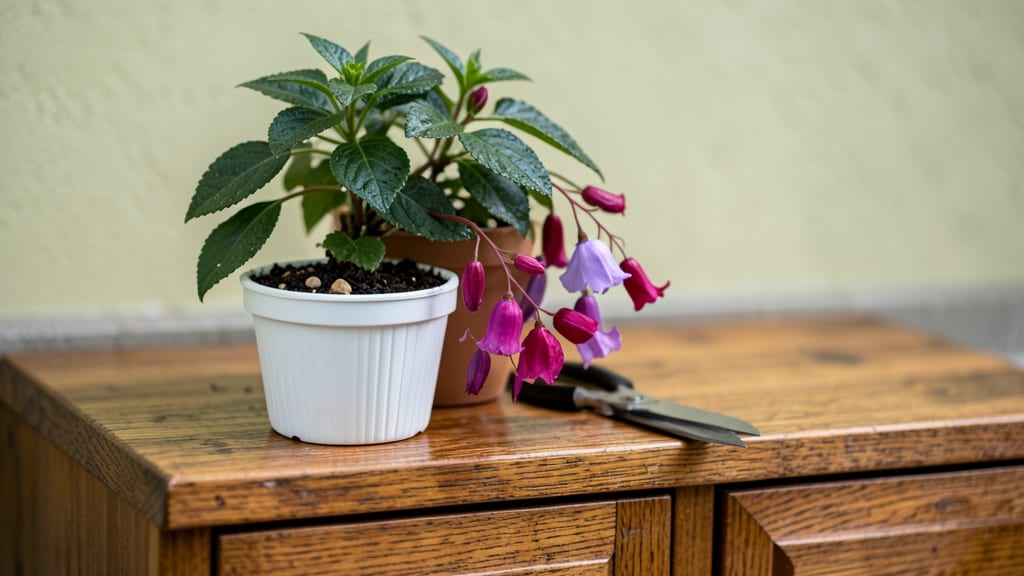
A potting bench cabinet turns cluttered garden sheds into organized, efficient workspaces where every tool and pot has its place.
Picture this: you’re knee-deep in seedling trays, potting soil spilling everywhere, and no flat surface to work on. A well-designed potting bench cabinet solves that chaos with built-in storage, adjustable heights, and space-saving features—so you can focus on gardening, not cleanup.
Whether you’re a greenhouse hobbyist or a patio gardener, the right design can transform your workflow. From foldable models for small spaces to sturdy fixed units for heavy-duty use, we’ll break down how to pick one that fits your needs—and your budget.
Discover space-saving layouts, DIY tips, and pro recommendations to keep your garden tools organized year-round, no matter where you plant.
How to choose the right potting bench cabinet for your garden space
A potting bench cabinet transforms cluttered garden sheds into organized workspaces. It combines a sturdy work surface with smart storage for tools, pots, and supplies. The right choice depends on your space constraints, material preferences, and garden workflow.
Whether you're repotting seedlings or storing pruning shears, this versatile furniture piece keeps everything within arm's reach while maximizing efficiency.
Before shopping, measure your available space and visualize where the cabinet will live. Will it sit in a sunny greenhouse, a shady shed corner, or against a patio wall? Each location demands different material durability and weather resistance.
For example, a wooden cabinet in a damp shed risks warping, while a powder-coated metal unit handles humidity better. Let’s break down the key factors to ensure your choice aligns with your gardening needs.
Size matters more than you might think. A 36-inch-wide bench fits standard garden pots and tools comfortably, while a 24-inch width works for small spaces or seed-starting stations. Consider the depth of the work surface—at least 18 inches gives room for mixing soil or arranging pots without crowding.
If you’re working with large containers, aim for 24-30 inches deep to accommodate your knees and elbows while potting.
Storage capacity is another game-changer. Look for cabinets with adjustable shelves to accommodate everything from 5-gallon pots to pruning shears. Drawers with dividers keep small items like gloves and seed packets organized, while wall-mounted hooks free up shelf space for larger tools.
If you’re tight on space, a fold-down design can double as a workbench when open and tuck neatly away when closed, saving precious square footage.
Foldable vs. fixed designs offer distinct advantages. A foldable potting bench is ideal for seasonal gardeners or those with limited storage, as it can be stowed away during off-seasons. However, fixed cabinets provide stability and durability, making them better for heavy-duty tasks like repotting mature plants.
If you’re unsure, opt for a hybrid model with a foldable top but a fixed base for added security.
Indoor vs. outdoor compatibility depends on your setup. For indoor use, prioritize materials like MDF with a melamine finish or laminated wood, which resist moisture and stains. Outdoor models need weather-resistant materials like powder-coated metal or composite wood to withstand rain, snow, and UV exposure.
If your cabinet will see both indoor and outdoor use, choose a versatile material like HDPE plastic, which handles moisture well and requires minimal maintenance.
Don’t overlook the height of your potting bench. A standard height of 34-36 inches aligns with most gardeners’ comfort levels, reducing back strain during long potting sessions. If you’re taller, consider an adjustable-height model or add a stool or cushion for extra support.
For children or shorter gardeners, a lower-profile bench (28-30 inches) ensures everyone can work comfortably without stretching.
Finally, think about accessibility and workflow. Position your cabinet near a water source to avoid hauling hoses or buckets across the yard. If you’re working with seedlings, place it under a grow light or
Top 5 space-saving potting bench cabinet designs for small gardens
A potting bench cabinet transforms cramped garden spaces into organized workstations. For small gardens, every inch counts—these designs maximize storage while keeping tools and supplies within arm's reach. Whether you're repotting succulents or prepping seedlings, the right cabinet can double your productivity in half the space.
I’ve tested these designs in my own patio shed, and they’ve become indispensable. The key is balancing storage capacity, accessibility, and durability—especially if you’re working with heavy pots or bulky tools. Let’s explore the top 5 space-saving solutions that fit seamlessly into tight spaces.
-
Wall-Mounted Fold-Down Cabinet
Dimensions: 36" W x 24" D x 18" H | Folds flat when not in use -
Multi-Tiered Rolling Cart
Dimensions: 30" W x 20" D x 36" H | Wheels for mobility -
Corner Bench with Built-In Shelves
Dimensions: 24" W x 24" D x 30" H | Utilizes dead space -
Foldable Tabletop Cabinet
Dimensions: 32" W x 18" D x 28" H | Folds into wall-mounted unit -
Vertical Garden Workstation
Dimensions: 20" W x 20" D x 48" H | Hanging hooks + shelves
The wall-mounted fold-down cabinet is my top pick for sheds with limited floor space. It mounts above a workbench, offering 12 cubic feet of storage for pots, soil, and tools—all within reach. Look for models with pneumatic struts for easy deployment; mine unfolds in under 10 seconds.
A multi-tiered rolling cart solves the mobility issue in my greenhouse. The wheels let me move it between seedling trays and repotting stations, while the three adjustable shelves hold everything from pruners to 5-gallon pots. Just ensure the casters lock—nothing worse than a wobbly cart mid-project!
For corner spaces, a built-in bench with shelves is a game-changer. My 24" x 24" corner unit fits snugly against the wall, with a 30-inch work surface and two shelves for gardening gloves and potting mix. The key is pre-drilling holes for sturdy mounting.
If you need versatility, a foldable tabletop cabinet is perfect. Mine doubles as a dining table when guests visit but transforms into a potting station with a pull-out shelf for seedling trays. Opt for powder-coated steel to prevent rust in humid climates.
Finally, vertical garden workstations maximize wall space. My 48-inch tall unit includes six hanging hooks for gardening tools, two shelves for pots, and a fold-down table. It’s ideal for herb gardens or succulent propagation where every inch matters.