
Tools
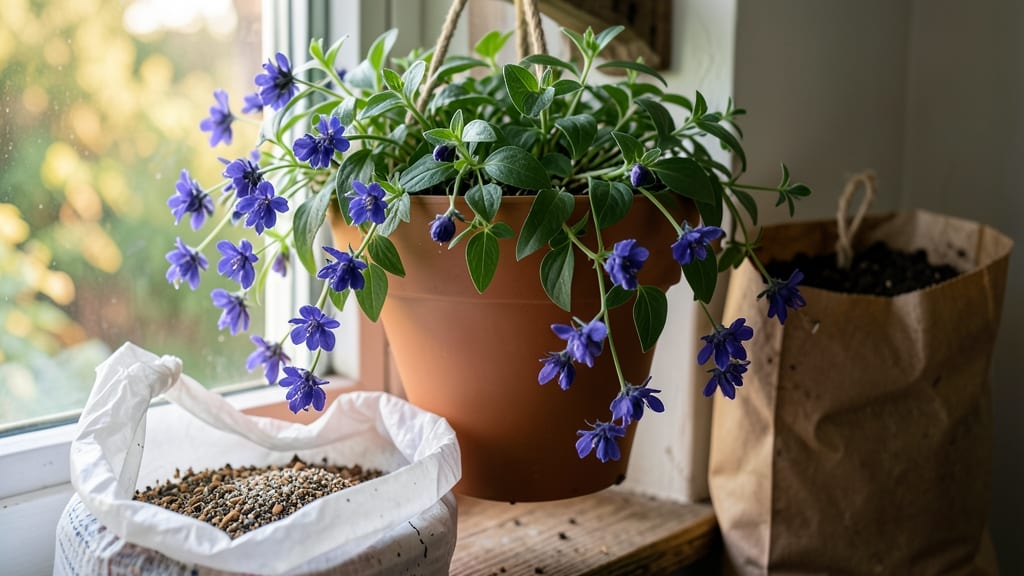
Choosing the right soil can make or break your garden—garden soil vs potting mix isn’t just about dirt in a bag. 🌱 I’ve seen firsthand how the wrong choice leads to wilted seedlings or struggling houseplants, while the right one transforms even the most stubborn plants into thriving giants.
The difference isn’t just texture or smell; it’s about drainage, nutrients, and whether your plants need room to grow or a cozy, controlled environment.
Garden soil—often called "topsoil"—is what you find in your yard after a good rain. It’s packed with organic matter, microbes, and minerals, but it can compact easily, suffocate roots, and drain too slowly.
Potting mix, on the other hand, is a lightweight blend of peat, perlite, and compost designed to stay fluffy, drain fast, and never turn into mud. The trade-off? It lacks the long-term nutrients of garden soil, so you’ll need to fertilize more often.
Here’s the game-changer: most plants need different soils at different stages. Seedlings and potted plants thrive in potting mix, while veggies, perennials, and shrubs need garden soil amended with compost. The key is matching the soil to the plant’s needs—not just grabbing whatever’s on sale.
A simple test? Press a handful: if it stays clumpy, it’s garden soil; if it crumbles, it’s potting mix.
For beginners, start with a 50-50 mix of garden soil and compost for in-ground planting, and always use fresh potting mix for containers. Over time, you’ll learn to read your plants’ signals—yellowing leaves mean poor drainage, while stunted growth often points to compacted soil.
The right choice isn’t just about the bag; it’s about giving your plants the perfect home.
The first product explained
Meet Miracle-Gro Garden Soil—your ultimate partner for lush gardens, thriving lawns, and vibrant flower beds! 🌱✨ Designed specifically for outdoor planting, this premium garden soil blends organic matter with essential nutrients to give your plants the perfect foundation for growth. Whether you're a seasoned gardener or just starting your green thumb journey, this product is tailored to make your outdoor projects a breeze.
📏 Key Specs & Features
- Type: Garden soil (not potting mix—ideal for in-ground planting, raised beds, and lawns).
- Coverage: Covers up to 12 sq. ft. per 1 cubic foot bag—perfect for medium-sized projects.
- Composition: Blend of sand, silt, clay, and organic matter (no peat moss) for balanced drainage and moisture retention.
- Nutrient Boost: Enriched with slow-release fertilizer (12-12-12 NPK ratio) to support long-term plant health.
- pH Level: 6.0–7.5 (neutral to slightly acidic), suitable for most vegetables, flowers, and grasses.
- Weight: 40 lbs per bag (easy to handle with gloves or a wheelbarrow!).
- Organic Matter: Contains composted materials to improve soil structure and microbial activity.
🎯 Who Is This For?
This garden soil is a game-changer for:
- 🌿 Home gardeners planting vegetables, herbs, or flowers in the ground.
- 🏡 Lawn enthusiasts looking to revitalize patchy or thin grass.
- 🌳 Landscapers and DIYers filling raised beds or garden plots.
- 🐝 Eco-conscious users who prefer organic-enriched soil over synthetic mixes.
💰 Price Point & Value
Priced at $6.97 per 40 lb. bag (or ~$0.17 per pound), Miracle-Gro Garden Soil offers exceptional value for its quality and versatility.
While potting mixes can be pricier for larger projects, this garden soil is far more cost-effective when prepping big outdoor spaces. Pro tip: 💡 Buy in bulk (multi-packs or at home improvement stores) to save even more!
Perfect for: Tomatoes, roses, lawns, shrubs, and any plant that calls the great outdoors home! 🌻🌿
The second product explained
If you're looking for a versatile, nutrient-rich option that bridges the gap between garden and potting soil, Miracle-Gro Performance Organics All Purpose Garden Soil is a fantastic choice. 🌱✨ This premium blend is designed to work seamlessly in both in-ground gardens and containers, making it a favorite among home gardeners and plant enthusiasts alike.
Key Specs & Features
This product comes in a 1.5 cubic foot bag, providing enough coverage for small gardens, raised beds, or multiple containers. Here’s what makes it stand out:
- Organic blend: Enriched with earthworm castings, compost, and other natural ingredients for slow-release nutrients.
- Balanced texture: Lightweight yet moisture-retentive, ensuring roots get the oxygen and hydration they need.
- pH-balanced: Optimized for most plants, reducing the need for additional amendments.
- Weed-free & sterile: No unwanted seeds or pathogens to compete with your plants.
- Versatile use: Ideal for vegetables, flowers, herbs, and even lawns.
Who’s It For?
This soil is perfect for:
- Beginners: Easy to use with no guesswork—just mix and plant!
- Container gardeners: Great for pots, hanging baskets, and window boxes.
- Vegetable growers: Supports root crops, leafy greens, and fruiting plants.
- Eco-conscious gardeners: Organic ingredients align with sustainable practices.
Price Point & Value
Priced around $10–$15 per bag (depending on retailer and location), this soil offers excellent value.
While it’s slightly more expensive than basic garden soil, the convenience, quality, and versatility make it a worthwhile investment for serious gardeners. Pro tip: Buy in bulk if you’re tackling a large project—many stores offer discounts on multi-packs! 💡
Whether you're reviving a struggling plant or starting a new garden bed, this all-purpose soil delivers consistent results with minimal effort. It’s the kind of product that earns a permanent spot in your gardening toolkit. 🛠️
Head-to-head comparison
Choosing the right soil for your plants can feel like picking between two trusted friends—each has its own strengths and quirks! 🌱 Whether you're planting a lush vegetable garden or nurturing delicate houseplants, understanding the differences between garden soil and potting soil will help you make the best decision.
Below, we break down their key attributes in a side-by-side comparison to help you see which one fits your green thumb goals.
🔍 Performance: How They Support Your Plants
Garden soil and potting soil serve different purposes, and their performance varies based on plant needs and growing conditions.
- Garden Soil:
- 🌿 Best for: Outdoor plants, vegetables, flowers, shrubs, and trees.
- 💧 Drainage: Naturally varies—often heavier and slower to drain, which can be great for moisture-retentive plants like tomatoes or herbs but may require amendments (like sand or compost) for better aeration.
- 🌱 Nutrient Density: Typically richer in organic matter over time, especially if amended with compost or fertilizer. However, it may lack the balanced nutrients needed for container plants.
- 🌡️ Temperature Regulation: Warms up and cools down more slowly due to its density, which can be ideal for perennial plants but may stress heat-sensitive seedlings.
- Potting Soil:
- 🏡 Best for: Container plants, seed starting, houseplants, and compact root systems.
- 💦 Drainage: Designed to be lightweight and well-draining, often mixed with perlite, vermiculite, or coconut coir to prevent waterlogging. Perfect for plants like succulents or herbs that hate soggy roots.
- 🍽️ Nutrient Density: Usually pre-mixed with slow-release fertilizers or organic matter (like peat moss or compost) to provide an instant nutrient boost. Great for short-term growth but may not sustain heavy feeders long-term.
- 🌡️ Temperature Regulation: Lighter and faster to heat up or cool down, which can be a pro for tropical plants but may require extra care in extreme climates.
Winner? It depends! Garden soil is the champ for in-ground planting, while potting soil takes the lead for containers and seedlings.
🎯 Features: What’s Inside the Bag?
Not all soil is created equal—here’s what you’re really getting when you dig in.
| Feature | Garden Soil | Potting Soil |
|---|---|---|
| Primary Ingredients | Topsoil, clay, sand, organic matter (varies by location), and sometimes synthetic amendments. | Peat moss, compost, perlite, vermiculite, coconut coir, and sometimes worm castings or fertilizer. |
| Texture | Heavier, denser, and may compact over time. | Lighter, fluffy, and airy to promote root growth. |
| pH Level | Varies widely (often neutral to slightly acidic, depending on location). May need testing or amendments for specific plants. | Typically balanced (around 5.5–7.0) and designed to support a wide range of plants without extra adjustments. |
| Moisture Retention | Holds moisture longer but can become waterlogged if not amended. | Drains quickly but retains enough moisture for container plants. |
| Sterility | Not sterile—may contain weeds, pests, or pathogens. | Usually sterile or pasteurized to reduce disease risk (great for seedlings!). |
Pro Tip: 💡 If you’re using garden soil for containers, mix it with perlite or compost to improve drainage and aeration!
💰 Price: Your Wallet’s Perspective
Budget-friendly doesn’t always mean better—here’s how these two stack up cost-wise.
- Garden Soil:
- 💵 Cost: Generally cheaper because it’s often sourced locally or dug from your own yard. Bulk purchases (like a truckload) can be very affordable.
- 📦 Packaging: Sold loose or in large bags (often 40+ pounds), reducing per-unit cost.
- 🔄 Long-Term Savings: Free if you have a yard! Just amend with compost or fertilizer as needed.
- Potting Soil:
- 💵 Cost: Usually more expensive due to pre-mixed ingredients and packaging. A 18–20 lb. bag can cost $3–$6, depending on quality.
- 📦 Packaging: Sold in smaller, convenient bags (1–2 cubic feet), which adds to the cost per cubic foot.
- 🔄 Long-Term Savings: Convenience comes at a price, but it eliminates the need to amend or test soil, saving time and effort.
Winner? Garden soil wins for budget-conscious gardeners, while potting soil is worth the splurge for container gardening or seed starting.
🏗️ Durability: How Long Will It Last?
Soil isn’t a one-and-done deal—here’s how long each type holds up.
- Garden Soil:
- ⏳ Lifespan: Nearly infinite if amended properly. Topsoil can be replenished with compost or organic matter year after year.
- 🔄 Maintenance: Requires regular testing (for pH, nutrients) and occasional tilling to maintain structure and fertility.
- 🌱 Best For: Long-term garden beds, perennial plants, and vegetables.
- Potting Soil:
- ⏳ Lifespan: Typically 1–3 years for containers, depending on plant type and care. Nutrients deplete faster in small pots.
- 🔄 Maintenance: Needs frequent fertilizing (every few months) and may compact over time, requiring repotting or mixing with fresh soil.
- 🏡 Best For: Short-term projects, seedlings, and plants with small root systems.
Pro Tip: ✨ Extend the life of potting soil by mixing in compost or worm castings every few months to replenish nutrients!
🌍 Environmental Impact: Which Is Greener?
If sustainability is on your mind, here’s how these soils measure up.
-
<
Which one should you choose?
So, which soil should you choose—garden soil or potting soil? The answer depends on your plants, your space, and your gardening goals! Here’s a clear verdict to help you decide:
🌱 Pick Garden Soil If...
- You’re planting in the ground: Garden soil is the natural choice for perennials, shrubs, trees, and vegetables grown in beds or raised gardens. It provides the best drainage and aeration for deep-rooted plants.
- You want long-term sustainability: Garden soil supports soil life (like worms and microbes) that enrich the earth over time. Perfect for in-ground landscaping or large-scale gardening.
- Your climate is dry or rocky: Amend garden soil with compost to improve moisture retention and fertility—ideal for drought-prone areas or heavy clay.
🏺 Pick Potting Soil If...
- You’re growing in containers: Potting soil is lightweight, sterile, and packed with nutrients—essential for potted herbs, flowers, or veggies where roots are confined.
- You need fast results: Pre-mixed potting soil often includes slow-release fertilizers, giving seedlings and houseplants a head start without extra effort.
- You’re dealing with pests or disease: Sterile potting soil minimizes risks for indoor plants, seed starting, or urban gardening where soil-borne issues are a concern.
💡 Pro Tip for Hybrid Solutions
Don’t be afraid to mix and match! For example:
- Use 50% garden soil + 50% potting soil in raised beds to balance natural fertility with moisture control.
- Top-dress garden soil with a layer of potting soil for annuals or container-grown perennials to boost nutrients.
Final Thought: There’s no one-size-fits-all answer—your plants (and your space!) will tell you what to choose. Start with the basics, experiment, and let your green thumbs guide you! 🌿✨