Light Requirements
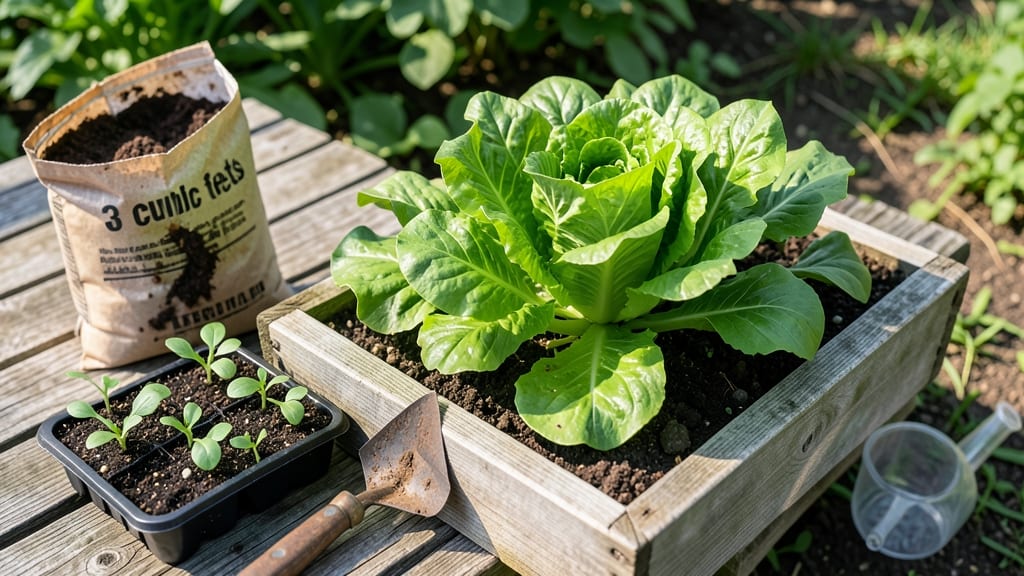
Figuring out how much potting soil you need starts with your container size and the plants you're growing. Small pots (6-8 inches) hold 1–2 gallons, medium pots (10-12 inches) need 3–5 gallons, and large containers (14+ inches) require 6–10+ gallons. Don't forget to factor in root spread and drainage needs.
Potting soil volume isn't just about filling space—it's about supporting healthy root growth. 🌱 For example, a 6-inch pot might look small, but it only holds about 1 gallon of soil, which is barely enough for a single herb plant.
Meanwhile, a 12-inch pot can hold up to 5 gallons, making it ideal for vegetables like tomatoes that need deeper root zones. Always check your plant's tag for specific recommendations, as some varieties (like succulents) prefer fast-draining mixes with less soil volume.
Another key factor is soil weight—1 cubic foot of potting mix can weigh 20-30 pounds, so larger containers require serious lifting. If you're working with heavy pots, consider breaking the soil into layers or using lightweight blends mixed with perlite.
For hanging baskets or window boxes, aim for 1-2 gallons per plant, but leave extra space at the bottom for drainage and root expansion.
💡 In This Article
- Calculating Potting Soil Volume by Container Dimensions
- Soil Quantity Guidelines for Different Plant Types
Calculating potting soil volume by container dimensions
Understanding how pot dimensions translate to soil volume starts with basic geometry. Most pots are cylindrical, so you can calculate volume using the formula πr²h (pi times radius squared times height).
For example, a 6-inch-diameter pot has a radius of 3 inches, and if it's 6 inches deep, its volume is roughly 100 cubic inches—about 0.6 cubic feet or 1 gallon of soil.
This explains why small pots need minimal soil: their shallow depth limits how much root space they can provide. 🌿
Depth matters just as much as diameter. A 12-inch-deep pot with a 10-inch diameter holds about 5 gallons, creating room for deeper-rooted plants like tomatoes or peppers.
Hanging baskets, however, are shallower—often just 4-6 inches deep—so they only need 1-2 gallons of soil, even if their diameter is larger. Window boxes follow similar rules: a 12-inch-long box might hold 3-4 gallons, but only if it's 6 inches deep.
Soil weight adds another layer of complexity. A cubic foot of standard potting mix weighs 20-30 pounds, so that 5-gallon pot could tip the scales at 10-15 pounds when filled. This is why lightweight mixes with perlite or vermiculite are popular—they reduce weight while maintaining aeration.
For heavy pots, consider breaking the soil into layers or using a dolly to move them. 💪
Drainage space is often overlooked but critical. Most pots need 1-2 inches of drainage room at the bottom, which reduces usable soil volume. For instance, a 14-inch pot might only hold 8 gallons of soil after accounting for drainage, not the full 10+ gallons you might expect.
Always measure your pot's usable depth before calculating soil needs.
For irregularly shaped containers (like fabric grow bags), estimate volume by filling with water or using the displacement method. Pour water into the pot, then measure how much it holds—this gives you the exact soil volume needed.
Pro tip: Multiply the water measurement by 0.7 to account for soil's slightly higher density than water. 💧
Here's a quick reference for common pot sizes:
- 6-inch pot: ~1 gallon (ideal for herbs or small succulents)
- 10-inch pot: ~3 gallons (perfect for medium herbs or small vegetables)
- 12-inch pot: ~5 gallons (great for tomatoes, peppers, or bush plants)
- 14-inch pot: ~8 gallons (supports large vegetables or shrubs)
- Hanging basket (12-inch diameter): ~2 gallons (shallow depth limits volume)