
Container Gardens
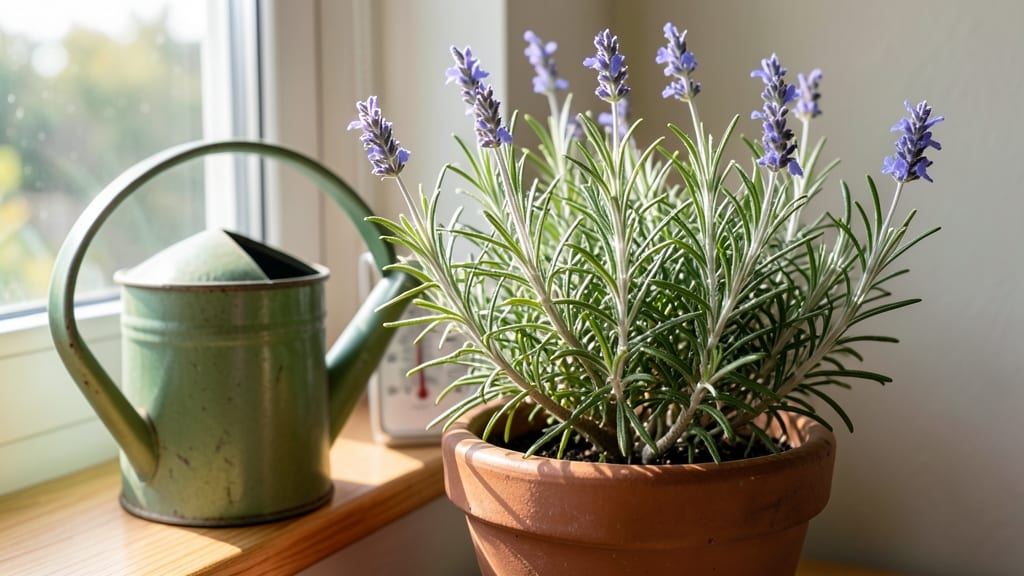
Caring for potted rosemary through winter means the difference between a crisp, fragrant plant and a sad, woody relic. 🌿 I’ve saved more rosemary plants from winterkill than I’d like to admit—mostly by learning to adjust watering, protect from frost, and give them the light they crave when days grow short.
The key isn’t complicated, but it’s easy to miss the subtle shifts rosemary needs when temperatures drop.
Start by cutting back on water—rosemary hates soggy roots in winter, and overwatering is the fastest way to lose it.
Move pots to a sheltered spot where they won’t get blasted by wind or freezing rain, and consider wrapping them in burlap or moving them indoors if nighttime temps dip below 20°F. A sunny windowsill or under grow lights will keep it thriving when natural light fades.
Prune lightly in early spring to encourage fresh growth, but avoid heavy cuts now—rosemary stores energy in its woody stems, and you don’t want to strip it before it’s had a chance to recover.
The result? A plant that stays perennial (yes, even in pots!) and keeps giving you that piney, culinary scent all winter long.
This works for both patio pots and indoor containers—just watch for drafts and adjust light as needed. With these tweaks, your rosemary will bounce back stronger than ever when spring arrives. Let’s keep it alive!
📚 In This Guide
- What you need
- Instructions
- Tips and common mistakes
- Wrapping up and next steps
What you need
- ● Potted rosemary plant – Choose a healthy, well-established plant in a container with drainage holes.
- ● Well-draining potting mix – A blend of cactus/succulent mix (60%) and perlite or coarse sand (40%) works best.
- ○ Larger container (optional but recommended) – If repotting, select a pot 2-3 inches wider than the current one to allow for root growth.
- ● Slow-release fertilizer – Look for a balanced, organic fertilizer (e.g., 10-10-10 or fish emulsion) to nourish the plant gradually.
- ○ Mulch (optional but helpful) – Use straw, pine needles, or shredded bark to insulate the soil and retain moisture.
- ● Watering can with a narrow spout – Ensures precise watering without disturbing the soil.
- ○ Thermometer (optional) – A soil or air thermometer helps monitor temperatures for frost-sensitive varieties.
- ● Insulating materials – Bubble wrap, frost cloth, or a thick blanket to wrap around the pot for extra protection.
- ○ Grow lights or LED bulbs (optional) – If indoors, a full-spectrum LED grow light (12-14 hours/day) can supplement low winter sunlight.
- ○ Humidity tray (optional) – A shallow tray with pebbles and water to increase moisture levels if indoors.
- ● Pruning shears – Clean, sharp shears for trimming dead or overgrown branches.
Step-by-Step instructions for winterizing potted rosemary
Here's how I keep my potted rosemary thriving through frost—no cold damage, no stress, just lush green growth.
☀️ Step 1: Move to Maximum Light Before Frost
Rosemary needs full sun year-round, but winter light is weaker. Place your pot in the brightest, sunniest spot you have—south-facing windows or under grow lights. If your plant is already indoors, rotate the pot quarter-turn weekly so it doesn’t lean toward the light.
Watch for pale, leggy growth—this means it’s stretching for light. If you see stems stretching more than 6 inches between leaves, move it closer to the light source. A south-facing window with 6+ hours of direct light daily is ideal. If natural light is insufficient, supplement with a grow light for 12-14 hours daily.
💧 Step 2: Adjust Watering to Prevent Root Rot
Winter air is dry, but rosemary roots slow down in cooler temps. Water only when the top 2 inches of soil feel completely dry—stick your finger in to check. Overwatering in winter is the #1 killer of potted rosemary because cold soil can’t absorb moisture properly.
I use a terracotta pot (if possible) because it breathes better than plastic, and I water slowly at the base until water runs out the drainage hole. Empty the saucer immediately after watering to prevent soggy roots. If your rosemary’s leaves turn yellow or the soil smells musty, you’re overwatering—cut back immediately.
✂️ Step 3: Prune for Shape and Airflow
Before winter sets in, give your rosemary a light pruning to encourage bushier growth. Use clean, sharp pruning shears to trim back 1/3 of the longest stems, cutting just above a set of leaves or a leaf node. This prevents the plant from growing too tall and top-heavy in winter.
Remove any dead, brown, or diseased branches first—they’ll only invite pests. Avoid heavy pruning in late winter, as new growth needs energy to harden off. After pruning, place the pot in a well-ventilated area (like a covered porch) for a few hours to let the cuts heal slightly before bringing it back indoors.
🪴 Step 4: Protect from Drafts and Temperature Swings
Rosemary hates drafts and sudden temperature drops. Keep your pot away from doors, windows, or vents that open frequently. Ideal indoor temperatures are 60-70°F—any colder, and growth slows dramatically. If you notice dark spots or wilting leaves, move the plant to a warmer spot immediately.
If you’re in a Zone 8 or colder climate, consider wrapping the pot in bubble wrap or frost cloth for extra insulation during extreme cold snaps. For outdoor pots, move them to a sheltered spot against a south-facing wall where they’ll absorb reflected sunlight. Mulch the soil with 2-3 inches of straw or pine needles to insulate roots.
🌱 Step 5: Fertilize Sparingly and Monitor for Pests
Rosemary is drought-tolerant but doesn’t need much fertilizer in winter. If you fertilize at all, use a diluted, balanced liquid fertilizer (10-10-10) at half strength once in early winter. Over-fertilizing in low light leads to weak, leggy growth. I skip fertilizer entirely if my rosemary is indoors with less than 6 hours of light daily.
Check for pests like spider mites or aphids—they love dry winter air. Wipe leaves gently with a damp cloth if you spot webbing or sticky residue. If pests persist, spray with neem oil mixed with water (1 tsp per quart). Avoid chemical pesticides indoors—they can harm your rosemary’s delicate scent glands.
Tips & tricks for perfect winter rosemary care
Keeping your rosemary thriving through winter takes just a few smart adjustments—here's what I've learned after years of trial and error.
Light Boost: If your rosemary is indoors, rotate the pot quarter-turn weekly to prevent lopsided growth toward the light source. I place mine on a rotating plant stand near my south-facing window—this ensures even exposure. For extra security, add a grow light for 12-14 hours daily if natural light drops below 6 hours. The difference in leaf color is night and day!
Pot Material Matters: Terracotta pots are your best friend in winter—they breathe better than plastic, preventing root rot from cold soil. If you're using plastic, add an extra layer of mulch (2-3 inches) around the base to insulate roots. Pro tip: Elevate plastic pots slightly on feet to improve drainage and airflow.
Pruning Precision: When trimming back 1/3 of the longest stems in Step 3, always cut just above a leaf node (the bump where leaves grow). This encourages new growth from the right spot. I use sterilized pruning shears and wipe the blades with rubbing alcohol between cuts to prevent disease spread.
Pest Prevention: Spider mites and aphids love winter's dry air—check leaves weekly for webbing or sticky residue. I keep a spray bottle of neem oil (1 tsp per quart of water) ready for quick treatment. For severe infestations, isolate the plant and treat both sides of leaves thoroughly, repeating every 5-7 days until pests disappear.
Pro Tips for Care For Potted Rosemary In Winter
- Keeping your rosemary thriving through winter takes just a few smart adjustments—here's what I've learned after years...
- Light Boost: If your rosemary is indoors, rotate the pot quarter-turn weekly to prevent lopsided growth toward the li...
- Pot Material Matters: Terracotta pots are your best friend in winter—they breathe better than plastic, preventing roo...
Frequently asked questions
Can rosemary survive winter in a pot if I don’t move it indoors?
Outdoor potted rosemary can survive mild winters (USDA Zones 8-10) if it’s in a sheltered spot, like near a south-facing wall. However, in colder climates (below 15°F/-9°C), frost will kill it. If you’re unsure, err on the side of caution and bring it inside—rosemary’s adaptable!
How do I know if my rosemary is getting too cold?
Watch for these signs: yellowing leaves, brown edges, or woody stems—all clues your rosemary is struggling. If the pot feels icy to the touch or the soil is frozen, it’s time to move it to a warmer spot (like a garage or under a porch roof) or indoors. Act fast to prevent permanent damage!
What’s the best indoor spot for potted rosemary in winter?
Place your rosemary in a bright, sunny window (south or west-facing is ideal) where it gets at least 6 hours of light daily. Avoid drafty areas, heat vents, or dim corners—rosemary hates humidity and fluctuating temps. A kitchen windowsill is perfect if you’re cooking with it!
Should I water my rosemary differently in winter?
Yes! Water less frequently—once every 2-3 weeks (or when the top inch of soil is dry). Overwatering in cool weather leads to root rot. Let the soil dry out more between waterings, and always use a pot with drainage holes to prevent soggy roots.
Can I prune my rosemary in winter?
Light pruning is fine in winter to shape the plant or remove dead growth, but avoid heavy cuts. Prune just above a leaf node to encourage new growth. Wait until spring for major trimming—rosemary needs energy to recover from winter stress. Use clean, sharp shears to avoid disease.
What if my rosemary turns brown or crispy indoors?
Brown tips or crispy leaves usually mean low humidity or too much heat. Move it away from heat sources (like radiators) and place a tray of water nearby to boost humidity. Mist the leaves lightly if the air feels dry. If the problem persists, your rosemary might need more light—supplement with a grow light if needed.
Wrapping up and next steps
Caring for your potted rosemary through winter doesn’t have to be stressful—with the right steps, your fragrant herb can thrive even in chilly months! 🌿❄️ Remember to protect it from frost, adjust watering habits, and keep it in bright, indirect light to avoid leggy growth.
A little extra love now ensures your rosemary stays lush and ready to flavor your dishes come spring.
Ready to put these tips into action? Start by inspecting your plant today—trim any damaged branches, move it to a cozy spot, and give it a gentle drink if needed. Your future meals (and happy herb!) will thank you!