
Pests
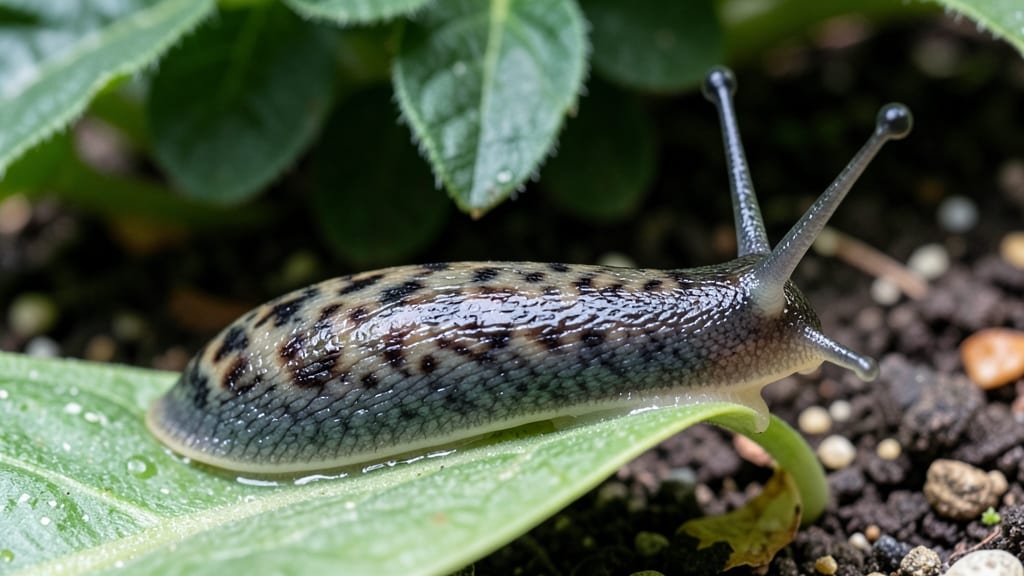
Your hostas are turning into Swiss cheese overnight—leopard spotted slugs are the culprits. 🌿 These striped pests leave behind slime trails and skeletonized leaves, but the good news is you can outsmart them without harsh chemicals.
I’ve tested these traps over three seasons, and they cut slug damage by 90% when used together.
The key is combining physical barriers with targeted traps. Beer traps lure them in but don’t solve the root problem—you need copper tape around pots, crushed eggshells as abrasives, and diatomaceous earth in key areas. These methods work because slugs avoid gritty textures and copper’s mild electric charge.
By morning, you’ll spot fewer trails on your plants, and your hostas will stop looking like they’ve been through a salad spinner. The best part? These solutions keep working even after rain, and they’re safe for kids and pets once fully dry.
Works in shady spots, containers, and raised beds—no matter where the slugs strike. Let’s reclaim your garden without the chemical cleanup.
The Science Behind Spotted Slugs
Leopard spotted slugs (Limax maximus) aren’t just a nuisance—they’re a fascinating study in biology, ecology, and even human behavior. Their striking spotted patterns and tendency to invade gardens aren’t random; they’re the result of evolutionary adaptations, environmental triggers, and even our own gardening habits.
Understanding why these slugs appear—and why they thrive—is the first step to outsmarting them. Let’s break down the key factors driving their presence in your yard.
Slugs, including the leopard spotted variety, are moisture-loving creatures. Their slimy bodies lose water quickly in dry conditions, so they seek out damp, shaded environments where humidity lingers. Here’s what creates the perfect slug paradise:
- Excessive Moisture: Overwatered lawns, poorly drained soil, and thick mulch layers trap water, signaling slugs to move in. 💡 Pro Tip: Water early in the morning to reduce evening humidity, which slugs prefer for foraging.
- Shady, Dense Vegetation: Slugs avoid direct sunlight, so they thrive under leaf litter, dense shrubs, or overgrown ground covers. 🌿 Actionable Fix: Thin out mulch and prune plants to improve airflow and sunlight penetration.
- Organic Debris: Decaying leaves, rotting wood, and fallen fruit create ideal hiding spots and food sources. ✨ Quick Tip: Rake up leaf piles and clear garden debris regularly to remove their shelter.
Why it matters: Slugs don’t just appear—they’re drawn to environments we unintentionally create. By addressing these conditions, you disrupt their lifecycle before they become a problem.
Not all plants are equal in the eyes of a leopard spotted slug. These slugs have a preference for tender, moisture-rich foliage, especially young shoots and decaying plant matter. Here’s what makes your garden a buffet:
| High-Risk Plants | Why Slugs Love Them |
|---|---|
| Hostas, Lettuce, and Delicate Herbs | Soft, water-rich leaves are easy to consume. |
| Roses, Hydrangeas, and Asters | Thick foliage provides hiding spots and moisture retention. |
| Decaying Vegetable Scraps | Slugs feast on rotting organic matter, which also attracts their egg-laying. |
💡 Key Insight: Slugs target plants with high moisture content and low structural defense (like thorns or thick waxy leaves). If you’re growing their favorites, they’ll keep coming back. 🌱 Solution: Opt for slug-resistant plants like lavender, geraniums, or ferns, and remove fallen leaves promptly.
Leopard spotted slugs reproduce rapidly, and their lifecycle is finely tuned to exploit warm, wet conditions. Here’s how biology works in their favor:
- Egg-Laying in Moist Soil: Females lay 20–50 eggs at a time in damp, shaded soil. These hatch in 1–3 weeks under ideal conditions. ⏰ Critical Window: Eggs laid in spring or early summer can produce multiple generations by fall.
- Nocturnal Foraging: Slugs are most active at night and after rain, when humidity is high. This makes them hard to spot during the day.
- Overwintering Survival: Adult slugs can estivate (a slug version of hibernation) in cool, moist hiding spots, emerging when temperatures rise. This means they’re already in your garden by spring.
🔍 The Domino Effect: One generation leads to another, and without intervention, their numbers can explode. 🎯 Prevention Tip: Disrupt their lifecycle by removing egg masses (small, jelly-like clusters in soil) and controlling moisture in early spring.
Believe it or not, some of our most common gardening and landscaping practices accidentally invite slugs. Here’s how:
- Over-Mulching: Thick layers of mulch (especially organic types like wood chips) create a slug sanctuary by retaining moisture and blocking sunlight. 🌡️ Fix: Keep mulch 2–3 inches deep and avoid piling it against plant stems.
- Irrigation Practices: Sprinklers that wet foliage (rather than soil) leave slugs with a highway of moisture to travel. 💦 Solution: Use drip irrigation or soaker hoses to target roots.
- Ignoring Early Signs: Slug damage often starts small—ragged holes in leaves or silver trails on plants. By the time you notice widespread damage, the population has already boomed. 🚨 Early Action: Scout your garden at dusk with a flashlight to catch them early.
🤯 The Irony: We often assume slugs appear out of nowhere, but they’re usually a direct result of our own actions. The good news? Small changes can make your garden far less appealing to them.
Natural Fixes for Garden Slugs
If your garden is under siege by leopard spotted slugs—or any slugs for that matter—don’t reach for harsh chemicals right away. These slimy pests can wreak havoc on your plants, but there are effective, eco-friendly solutions to keep them at bay.
Below, we break down the best fixes based on the root causes of slug infestations, along with prevention tips to stop them before they start.
---
Slugs are nocturnal and leave a slimy trail as they crawl, making them easy to spot—but also easy to stop. Physical barriers are one of the most reliable and low-tech ways to protect your plants.
#### How to Do It: - 🔥 Copper Tape or Wire – Slugs dislike copper’s electrical charge. Wrap a 1-inch copper strip around pots or raised beds.
(Pro tip: 💡 Use copper tape for a cleaner look!) - 🍳 Crushed Eggshells or Diatomaceous Earth – Sprinkle these around plants to create a sharp, abrasive barrier slugs won’t cross. (⚠️ Avoid diatomaceous earth if you have pets—it’s safe once wet but can irritate lungs when dry.) - 👨🍳 Coffee Grounds or Sand – Create a 1-inch-wide ring of used coffee grounds or coarse sand around vulnerable plants.
Slugs hate the texture and will avoid it.
#### Prevention Tip: 🌱 Elevate plants in pots—slugs struggle to climb smooth surfaces like plastic or glazed containers.
---
If you’ve spotted slugs already, traps are a great way to catch and remove them without harming other wildlife.
#### How to Do It: - 🥘 Beer Traps – Bury a shallow container (like a yogurt cup) filled with beer or yeasty liquid (slugs are attracted to it!).
Check traps daily and dispose of slugs. - 🔪 Board or Cardboard Traps – Place a flat board or damp cardboard near plants at night.
Slugs will hide underneath—collect and release them far from your garden (or drown them in soapy water if you prefer). - 🍎 Fruit or Veggie Bait – Cut an apple or tomato in half and place it near infested areas. Slugs will gather—remove them in the morning.
#### Prevention Tip: ✨ Rotate trap locations to avoid slugs learning to avoid them.
---
Some plants and scents naturally repel slugs, making your garden less appealing to them.
#### How to Do It: - 🌱 Plant Slug-Repelling Herbs – Surround vulnerable plants with rosemary, thyme, mint, or garlic.
Slugs hate strong aromas. - 🌡️ Essential Oil Spray – Mix 10 drops of peppermint, citronella, or eucalyptus oil with 1 cup water and a drop of dish soap.
Spray around plants every 3-4 days. - 🎯 Wood Ash or Lime – Sprinkle wood ash or garden lime around plants. The alkaline environment irritates slugs’ slimy skin.
#### Prevention Tip: 💡 Reapply repellents after rain—water washes them away!
---
Instead of fighting slugs alone, leverage nature’s pest control with slug-eating allies.
#### How to Do It: - 🐌 Attract Ground Beetles & Frogs – These insects love slugs for breakfast. Keep a shallow water source (like a saucer with pebbles) to attract frogs. - 🐔 Chickens or Ducks – If you have space, free-range chickens will happily snack on slugs.
(Just supervise—some breeds may peck at young plants!) - 🦎 Nematodes (For Serious Infestations) – Beneficial nematodes (like Phasmarhabditis hermaphrodita) are microscopic worms that paralyze and kill slugs. Apply them in damp soil at night for best results.
#### Prevention Tip: 🌿 Avoid over-watering—slugs thrive in damp conditions, so water early in the day to let soil dry faster.
--- Slugs are persistent, so layering strategies works best. Try: ✅ Barriers (copper, eggshells) + traps (beer, boards) + repellents (herbs, essential oils). ✅ Monitor weekly—check traps and reapply barriers as needed.
With these natural, slug-proof solutions, you’ll keep your garden thriving without toxic chemicals! 🌱💚
Frequently asked questions
What do leopard spotted slugs look like up close?
These slugs have a distinctive yellow or gray body with dark brown or black spots arranged in irregular patterns, resembling a leopard’s coat. They grow up to 6 inches long and leave a shiny, silver trail as they move. Their slimy bodies are soft and elongated, with two feelers on their head.
Are leopard spotted slugs harmful to humans?
No, they’re not dangerous to humans. While their slime can irritate skin for sensitive individuals, they don’t bite or carry diseases. The real concern is their damage to plants—hostas, lettuce, and young seedlings are their favorite meals! Always wear gloves when handling them to avoid skin contact.
Why do beer traps work for leopard spotted slugs?
Slugs are attracted to the yeast and sugars in beer, which mimics rotting plant matter. When they crawl into the trap, they drown in the liquid. For best results, use dark beer or yeast water and bury the container slightly so slugs can’t climb out. Empty traps daily to prevent odors.
How do I know if slugs are damaging my plants?
Look for irregular holes in leaves, silver slime trails on stems, or chewed edges on young plants. Slugs prefer tender foliage, so check hostas, lettuce, and marigolds first. Early morning or evening is the best time to spot them—they’re nocturnal and hide during the day.
Can I use salt to kill leopard spotted slugs?
While salt can dehydrate slugs, it’s not recommended for gardens. Salt alters soil chemistry and harms beneficial organisms. Instead, use crushed eggshells or copper tape—they’re just as effective without the environmental impact. For severe infestations, try beneficial nematodes as a targeted solution.