
Container Gardens
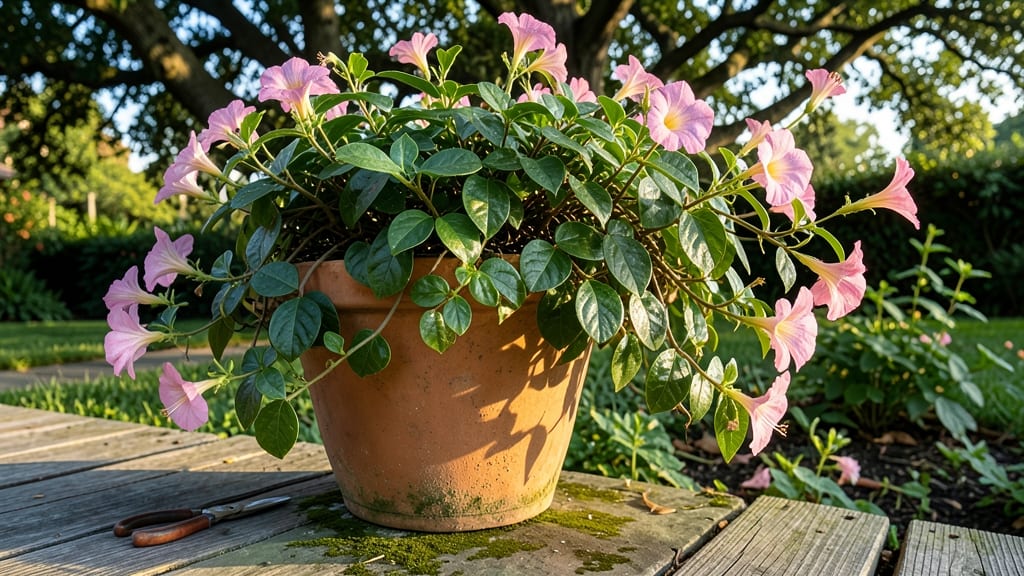
Transform your patio into a fragrant paradise with a mandevilla potted plant—here’s how to coax those dreamy blooms by next summer. 🌸 These tropical beauties thrive in pots, turning balconies into lush, fragrant escapes, but they demand a few key conditions to stay happy. and flowering.
I’ve learned the hard way that Mandevillas hate soggy roots and shun shade, so let’s fix that together.
Start with a well-draining potting mix—equal parts garden soil, perlite, and compost—plus a pot with drainage holes (terracotta works best). Place it where it gets 6+ hours of morning sun, then water only when the top inch of soil feels dry.
Overwatering is the #1 killer, so resist the urge to coddle it. Fertilize monthly with a balanced liquid feed during spring and summer to fuel those bold blooms.
Pruning is where the magic happens: trim back leggy stems after blooms fade to encourage bushier growth. With the right care, your Mandevilla will reward you with foot-long flowers from late spring through fall. Just watch for mealybugs—wipe them off with rubbing alcohol if you spot them—and you’re golden.
Pro tip: Overwinter your plant indoors near a bright window, cutting back on watering. Come spring, it’ll bounce back like nothing happened. Now go grab that pot—your summer garden just got a whole lot bolder.
📚 In This Guide
- What you need
- Instructions
- Tips and common mistakes
- Wrapping up and next steps
What you need
- ● Mandevilla plant: 1 healthy, disease-free specimen (choose from varieties like Mandevilla laxa or Mandevilla sanderi)
- ● Container: 1 pot with drainage holes (12–18 inches in diameter for mature plants; smaller for young ones)
- ● Well-draining potting mix: 3–5 gallons (mix equal parts cactus/succulent mix, perlite, and peat moss)
- ● Slow-release fertilizer: 1–2 cups (10-10-10 NPK ratio) mixed into the soil at planting
- ○ Mulch (optional but helpful): 1–2 inches of orchid bark or pine fines to retain moisture
- ● Garden gloves (1 pair) – to protect your hands from thorns
- ● Trowel or small shovel (1) – for planting and soil adjustments
- ● Watering can or hose with a gentle spray nozzle (1)
- ● Pruning shears (1) – for shaping and deadheading
- ○ Support structure (optional): 1–2 bamboo stakes or trellis (for climbing varieties)
- ● A sunny spot! Mandevilla thrives in full sun (6+ hours daily)—partial shade works in hot climates.
- ● Warmth: No frost! Mandevilla loves temperatures above 50°F (10°C).
- ● Patience: These beauties take 2–3 months to establish and bloom fully.
Step-by-step guide to growing mandevilla in containers
Here’s how to coax vibrant, tropical blooms from your potted mandevilla—no greenhouse needed.
🪴 Step 1: Choose the Right Container and Drainage
Pick a pot with drainage holes—mandevillas hate soggy roots. I use 12-14 inch diameter containers for each plant, as they need room to grow. Terra cotta works best because it breathes and helps prevent rot in humid conditions. If your pot lacks holes, drill them yourself—just don’t skip this step. Mandevillas are tropical but still need to dry out between waterings.
Fill the bottom 2 inches with gravel or perlite to create a drainage layer. This prevents water from pooling at the roots, which can cause the stems to rot. The extra air space also mimics their natural epiphytic growing habits in South America. Skip this, and you’ll risk losing your plant to fungal diseases within weeks.
🌱 Step 2: Prepare Well-Draining Potting Mix
Use a lightweight, airy mix—never garden soil. I blend equal parts potting soil, perlite, and coconut coir for the perfect balance. The perlite keeps roots from suffocating, while the coir holds just enough moisture without staying soggy. Fill the pot to 1 inch below the rim, leaving room for watering.
Press the mix down gently but don’t compact it. You want roots to spread easily, not fight through dense soil. Stick your finger in—it should feel like a damp sponge, not a wet sponge. If it’s too heavy, add more perlite. This mix ensures your mandevilla thrives without the risk of root rot, which is the #1 killer of potted mandevillas.
☀️ Step 3: Plant and Position for Maximum Sun
Remove the plant from its nursery pot and gently loosen the roots if they’re circling. Place it in the center of your container, spreading the roots outward. Cover with soil, pressing lightly to secure the plant. Water immediately after planting to settle the mix around the roots—you’ll see the soil sink slightly as it absorbs moisture.
Mandevillas crave full sun (6+ hours daily). Place your pot in a south- or west-facing spot where it gets bright, direct light. If you’re growing indoors near a window, rotate the pot quarter-turn weekly so it doesn’t lean toward the light. You’ll notice new growth within 2-3 weeks if the light is right—look for fresh, deep green leaves and buds forming at the stem tips.
💧 Step 4: Water Deeply and Maintain Consistent Moisture
Water when the top 1-2 inches of soil feel dry to the touch. Stick your finger in—if it’s damp, wait another day. When you water, do it deeply until water runs out the drainage holes. This encourages roots to grow downward for stability. Empty the saucer afterward to avoid root rot.
Mandevillas are drought-tolerant once established, but they hate drying out completely. In summer, I water every 2-3 days, while in winter, I cut back to once a week. Overwatering is worse than underwatering—yellow leaves or mushy stems mean you’re keeping the soil too wet. Adjust based on your climate; humidity affects evaporation rates.
✂️ Step 5: Prune and Fertilize for Continuous Blooms
After the first flush of blooms fades, prune back one-third of the plant to encourage bushier growth. Use clean, sharp scissors to cut just above a leaf node. This step is key—without pruning, mandevillas grow leggy and produce fewer flowers. Do this in early spring and again after summer blooms.
Feed your plant monthly with a balanced liquid fertilizer (10-10-10) during the growing season (spring through fall). You’ll see a difference in 2-3 weeks—healthier leaves and more buds forming. Stop fertilizing in winter when growth slows. Deadhead spent blooms regularly to redirect energy into new flowers. This keeps your mandevilla looking lush and blooming nearly year-round in warm climates.
Tips & tricks for thriving potted mandevilla
These simple strategies will help you keep your mandevilla blooming beautifully year after year.
Container Secrets: If you don't have terra cotta pots, plastic containers work too—but add an extra ½ inch of gravel to the bottom for better drainage. I've also had success with hanging baskets, which work well for trailing varieties. Just make sure the basket has drainage holes and use a lightweight mix to prevent it from becoming too heavy.
Soil Mix Upgrade: For even better drainage, replace 25% of the coconut coir with orchid bark. This mimics their natural epiphytic growing conditions and prevents compaction over time. If you notice water pooling on top after watering, your mix may be too dense—add more perlite to lighten it up.
Light Positioning: When placing your mandevilla, watch for leggy growth or pale leaves—these are signs it needs more light. If you're indoors, supplement with a grow light for 12-14 hours daily during winter months. South-facing windows get the most intense light, while north-facing windows may need additional light support.
Pruning Pro Tip: When you prune back one-third of the plant, don't throw away those cuttings! Place them in water and they'll root in about 2-3 weeks. You'll have free baby plants to share with friends or expand your own collection. Just keep the cuttings in bright, indirect light while they root.
Pro Tips for Mandevilla Potted Plant
- These simple strategies will help you keep your mandevilla blooming beautifully year after year.
- Container Secrets: If you don't have terra cotta pots, plastic containers work too—but add an extra ½ inch of gravel ...
- Soil Mix Upgrade: For even better drainage, replace 25% of the coconut coir with orchid bark. This mimics their natur...
Frequently asked questions
Got questions about keeping your Mandevilla thriving in pots? You’re not alone!
Here are answers to the most common concerns—from pruning to pests—so you can enjoy those show-stopping blooms all season long.
How often should I water my potted Mandevilla?
Water your Mandevilla when the top 1–2 inches of soil feel dry to the touch. Pro tip: Overwatering is worse than underwatering—these tropical beauties hate soggy roots. In summer, expect 2–3 times a week; in winter, cut back to once a week. Always use pots with drainage holes!
When and how should I prune my Mandevilla?
Prune in early spring (before new growth) to shape the plant and encourage bushier blooms. Use clean, sharp shears to trim back leggy stems by ⅓. Bonus: Deadhead spent flowers regularly to redirect energy to new blooms. Avoid heavy pruning in fall—let it rest for winter.
What pests should I watch for, and how do I treat them?
Mandevillas attract aphids, spider mites, and mealybugs. Catch infestations early with a gentle spray of neem oil or insecticidal soap. For stubborn pests, wipe leaves with a damp cloth dipped in rubbing alcohol (70% isopropyl). Prevent tip: Keep your plant healthy with bright light and good airflow!
Can Mandevilla survive winter in pots?
Yes! Move pots indoors near a south-facing window (or under grow lights) when temps drop below 40°F (4°C). Reduce watering and fertilizing—these plants enter dormancy. Pro move: If outdoors, wrap pots in burlap or use frost cloth for extra protection.
What’s a good alternative if my Mandevilla struggles in my climate?
If your zone is too cold or dry, try these low-maintenance, sun-loving alternatives:
- Bougainvillea – Drought-tolerant with vibrant bracts.
- Plumbago – Thrives in heat and blooms blue/purple.
- Lantana – Tough, colorful, and attracts pollinators.
- Petunia – Easy annual with non-stop blooms.
All love containers and bright light!
Wrapping up and next steps
Growing a mandevilla potted plant is like inviting a burst of tropical sunshine into your space—with the right care, its vibrant blooms will reward you with stunning color and lush beauty year after year! 🌺 Whether you’re a seasoned gardener or just starting, these bold beauties thrive with a little attention to sunlight, water, and pruning.
Now that you’re armed with the essentials, why not take the next step? Pick your favorite variety, grab a sunny spot, and let your mandevilla transform your balcony or patio into a tropical paradise! 🌿