
Container Gardens
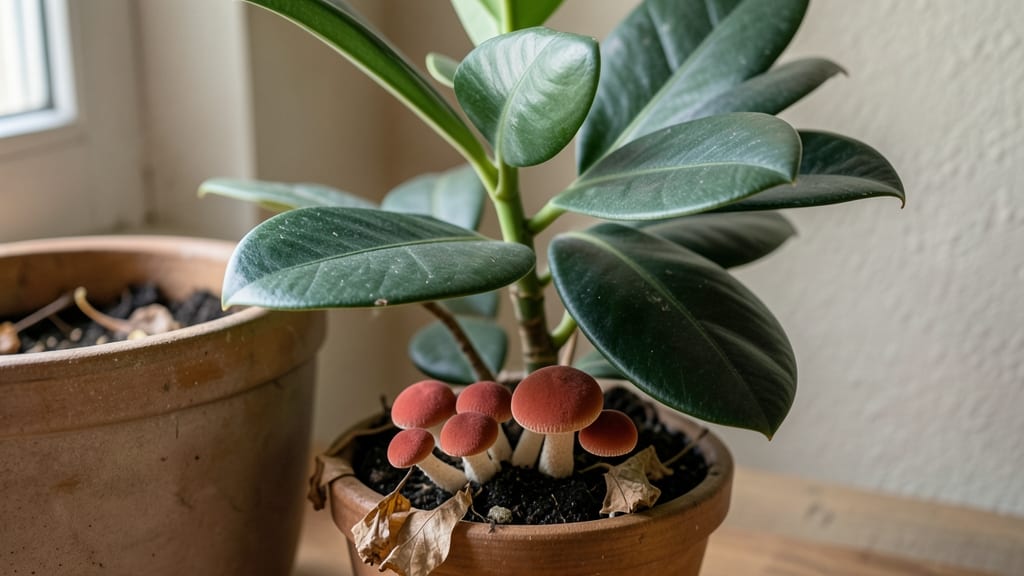
Mushrooms sprouting from potted plants aren’t just weird—they’re your plant’s silent SOS. 🌱 I’ve seen these fuzzy invaders pop up in everything from ferns to fiddle-leaf figs, and they’re never a good sign.
The good news? They’re fixable, and understanding why they appear is the first step to stopping them for good.
Most of the time, mushrooms mean your soil is too wet or has too much decaying organic matter. Overwatering, poor drainage, or even old mulch breaking down can create the perfect damp, dark environment for fungal growth.
The mushrooms themselves aren’t harmful, but they’re a symptom of a bigger issue—one that can eventually rot your plant’s roots if ignored.
With the right adjustments, you can turn this problem around in just a few weeks. Improve drainage, tweak your watering routine, and repot if needed, and you’ll see healthier roots and fewer fungal surprises.
The key is keeping the soil balanced—moist but not soggy, aerated but not compacted—so your plants thrive instead of throwing up mushrooms.
This method works for houseplants, herbs, and even small veggie pots. Once you’ve addressed the root cause (pun intended), you’ll keep your soil happy and your plants mushroom-free for years. Let’s get those pots back in shape!
The Hidden Causes Behind Fungal Growth
Fungal growth in potted plants—often appearing as mushrooms—is rarely a random event. Instead, it’s usually the result of specific environmental or care-related triggers. Understanding these causes is the first step to preventing them while still enjoying lush, healthy container gardens.
Below, we break down the science behind why mushrooms pop up in your pots and what’s really going on in your soil.
---
Mushrooms thrive in damp, oxygen-deprived conditions—exactly what happens when your potted plants sit in soggy soil. Here’s why overwatering creates the perfect fungal buffet:
- Oxygen Starvation: Roots need oxygen to breathe, but when soil stays waterlogged, microbes (including fungi) outcompete plants for space.
Fungi like Agaricus bisporus (button mushrooms) and Coprinus (inky caps) flourish in these low-oxygen zones. - Moisture Retention: Containers without drainage holes trap excess water, creating a soggy layer where fungal spores germinate.
Even "well-draining" mixes can compact over time, reducing aeration. - Root Rot Connection: Weakened roots from overwatering release sugars into the soil, acting as a food source for fungi. This is why mushrooms often appear after a plant shows signs of stress (yellowing leaves, wilting).
Actionable Fix: - Test your soil: Stick a finger 1–2 inches deep—if it’s damp after 24 hours, you’re overwatering. - Upgrade drainage: Add perlite, pumice, or orchid bark to pots to improve airflow. If repotting, choose containers with holes or elevate pots on saucers with pebbles. - Water wisely: Let the top 50% of soil dry out between waterings. Use the "drip test"—if water runs out the bottom within 10 minutes, drainage is good.
---
Mushrooms are nature’s recyclers, breaking down dead plant material. But when your potted soil becomes a compost heap, you’re inviting a fungal party.
- Decomposing Plant Debris: Fallen leaves, spent mulch, or uneaten plant matter in pots create a nutrient-rich environment for fungi. Even "clean" pots can harbor hidden organic pockets. - Fresh Compost Risks: While compost enriches soil, fresh (hot) compost is teeming with fungal spores.
If added directly to pots, it can trigger rapid mushroom growth. - Slow-Decomposing Materials: Items like coconut coir, wood chips, or untreated bark take years to break down, providing a long-term fungal food source.
Actionable Fix: - Remove debris: Rake out dead leaves, old mulch, or plant fragments before they decompose in pots. - Use aged compost: Only add well-aged (cold) compost to pots, and mix it thoroughly with mineral soil to dilute nutrients. - Choose slow-release organics: Opt for stabilized compost or worm castings, which provide nutrients without inviting fungal overgrowth.
---
Fungi love warmth and moisture—think of them as tropical houseguests who never leave. Pots in certain microclimates become fungal hotspots.
- Warm, Shady Spots: Fungi grow best between 60–85°F (15–30°C). South-facing pots or shaded corners under decks retain heat and moisture, creating ideal conditions. - High Humidity Traps: Greenhouses, bathrooms, or kitchens with poor ventilation keep soil damp longer.
Even outdoor pots in humid climates (like the Southeast U.S.) are at risk. - Seasonal Shifts: Cool, damp springs or autumns (when evaporation slows) can trigger mushroom outbreaks, even in pots that were fine in summer.
Actionable Fix: - Monitor microclimates: Move pots to sunnier spots or improve airflow with fans or open windows. - Adjust watering seasons: Reduce frequency in humid months or after rain. Use a moisture meter for accuracy. - Ventilate containers: Elevate pots on stands to improve airflow underneath and reduce humidity buildup.
---
Every time you repot, divide plants, or dig into the soil, you’re creating opportunities for dormant fungal spores to wake up.
- Physical Disruption: Digging or transplanting exposes buried spores to oxygen and moisture, kickstarting growth. Even gentle repotting can trigger mushrooms. - Compaction Layers: Over time, soil in pots compacts, creating dense layers where water pools.
Fungi exploit these anaerobic (oxygen-free) zones. - Root Damage: Injured roots release sugars, which fungi consume rapidly. This is why mushrooms often appear after pruning or repotting.
Actionable Fix: - Minimize soil disturbance: When repotting, gently loosen roots instead of aggressively teasing them. Use a fork to aerate compacted soil. - Layer soil smartly: Mix in coarse materials (like vermiculite or chicken grit) to prevent compaction. - Prune carefully: Trim roots only when necessary, and water lightly afterward to reduce stress.
--- Fungal spores are everywhere—on tools, in garden centers, or even in "sterile" potting mixes. Here’s how they hitch a ride into your pots:
- Dirty Tools: Pruners, trowels, or gloves contaminated with fungal spores can transfer them directly to fresh soil. - Pre-Mixed Soil Risks: Store-bought potting mixes may contain dormant spores or weed seeds.
Even "organic" mixes aren’t always sterile. - Cross-Contamination: Reusing pots without cleaning can spread fungi from previous plants. Some spores survive for years in soil.
Actionable Fix: - Sterilize tools: Wipe pruners with rubbing alcohol or a 10% bleach solution between uses. For trowels, boil them for 10 minutes. - Use fresh soil: Avoid mixing old garden soil with potting mixes. Instead, use sterile soilless blends or pasteurize soil by baking it at 200°F (93°C) for 30 minutes. - Clean pots thoroughly: Scrub pots with hot, soapy water and rinse with a bleach solution (1 part bleach to 9 parts water) before reuse. Let them dry completely in the sun.
Quick Fixes for Fungal Foes
Spotting mushrooms sprouting in your potted plants can feel like a garden nightmare—but don’t panic! These unexpected guests usually signal an imbalance in moisture, airflow, or organic matter. Below, we’ve mapped out practical solutions tailored to the root causes, plus prevention tips to keep your container garden thriving.
Let’s turn this fungal surprise into a fixable hiccup.
If your potted plants are soggy, mushrooms (often mushroom-like fungi) thrive in damp, oxygen-poor soil. Here’s how to dry things out and prevent future issues:
🔥 Step 1: Drain & Aerate the Soil
- Remove the plant carefully from its pot and loosen the root ball with your fingers or a fork.
- Flip the pot upside down over a towel or bucket to let excess water drain out. Tap the sides gently to encourage airflow.
- Add perlite or coarse sand (10–20%) to improve drainage if your soil is heavy clay or peat-based.
🍳 Step 2: Adjust Your Watering Routine
- Water only when the top 1–2 inches of soil feel dry. Stick your finger in—if it’s damp, wait.
- Use a pot with drainage holes. If repotting isn’t an option, drill a few holes in the bottom.
- Water deeply but less frequently. Shallow watering keeps the surface wet, inviting fungi.
💡 Prevention Tip:
Install a wicking system (like a cotton wick in a water reservoir) for self-regulating moisture—ideal for herbs or succulents.
Mushrooms love decaying matter. If your potted soil is packed with old leaves, mulch, or unfinished compost, fungi will pop up like weeds.
🔪 Step 1: Remove the Mushrooms & Debris
- Snip mushrooms at the base with clean scissors or tweezers. Do not pull—they’ll regrow from buried roots.
- Sift through the soil to remove large chunks of organic debris (like twigs or uneaten compost).
- Replace the top 2–3 inches of soil with fresh, sterile potting mix.
🌡️ Step 2: Sterilize the Pot (If Needed)
- For severe cases, wash the pot with a 10% bleach solution (1 part bleach to 9 parts water), rinse well, and dry in the sun.
- Line the pot with landscape fabric before adding new soil to block fungal spores.
🎯 Prevention Tip:
Use sterilized compost or coco coir instead of fresh garden soil. Avoid over-mulching—stick to a 1-inch layer.
Mushrooms in pots often mean your plant is suffocating. Poor airflow traps moisture and encourages fungal growth.
⏰ Step 1: Prune & Repot (If Necessary)
- Trim crowded roots if the plant is root-bound. Snip any circling or mushy roots with sterilized scissors.
- Upgrade to a larger pot (1–2 inches wider) if roots are visibly escaping the drainage holes.
🌿 Step 2: Boost Air Circulation
- Space pots 6–12 inches apart on your balcony or patio.
- Use a small fan on low setting near potted plants (especially for tropical varieties).
- Avoid placing pots in shaded, humid corners—move them to partial sun if possible.
✨ Prevention Tip:
Add orchid bark or vermiculite to potting mix for better aeration. For herbs, try gravel or lava rocks in the bottom layer.
If mushrooms keep returning despite your efforts, it’s time for fungicidal action. For stubborn cases:
- Apply neem oil (1 tsp per quart of water) as a preventive spray every 2 weeks.
- Use copper fungicide for severe outbreaks (follow label instructions).
- Switch to soilless mixes (like cactus or bonsai soil) if your plants are prone to fungal issues.
Frequently asked questions
Are mushrooms in my potted plants harmful to my houseplants?
The mushrooms themselves aren’t toxic, but they’re a red flag for underlying soil problems. If left unchecked, the damp, oxygen-poor conditions that create mushrooms can lead to root rot, which will harm your plants. The fungi thrive on decaying organic matter and excess moisture—both of which can smother roots over time.
Can I just pull out the mushrooms and keep watering normally?
No—removing mushrooms alone won’t fix the issue. Pulling them can even spread spores deeper into the soil. Instead, address the root cause: improve drainage, reduce watering frequency, and replace the top layer of soil. The mushrooms will return if the environment stays damp and oxygen-deprived.
How do I know if my potted plant has root rot from mushrooms?
Check for these signs: mushy, black roots; a foul smell from the soil; or leaves that yellow and drop even when the plant isn’t thirsty. If you see these, act fast—repot in fresh, sterile soil and trim away any rotted roots with sterilized scissors.
Will adding more perlite or sand fix the problem permanently?
It helps short-term, but long-term success depends on changing your watering habits too. Perlite improves drainage, but if you keep overwatering, the issue will return. Aim for soil that’s moist but not soggy—stick your finger in to check before watering.
Can I reuse the soil from a pot where mushrooms grew?
Only if you sterilize it first! Spread the soil in a thin layer on a baking sheet and bake at 200°F (93°C) for 30 minutes to kill spores. Alternatively, mix it with fresh potting soil (50/50) to dilute any remaining fungal activity. Never reuse soil without treatment.