
Container Gardens
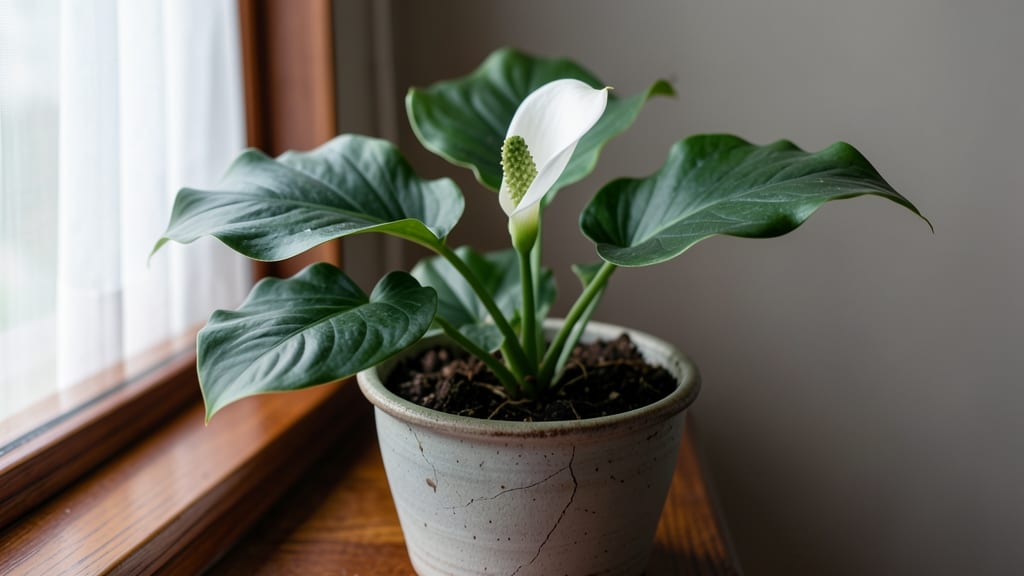
Potted calla lilies bring that showstopping drama indoors with their bold, velvety blooms—but they’re trickier than they look. 🌿 I’ve nursed these tropical stunners back from yellowing leaves and limp stems, and the secret lies in mimicking their native swampy conditions without drowning them.
One wrong move, and you’ll end up with a sad, leggy plant instead of the stunning centerpiece you’re after.
The right setup makes all the difference: a container with drainage, rich but airy soil, and just the right balance of moisture. Too much water? Root rot. Too little? Crispy edges. I’ve perfected a simple routine that keeps my callas thriving year-round—even through winter—without fancy equipment.
You’ll need about 30 minutes to set up properly, and then just a few minutes of care each week.
By summer’s end, you’ll have a lush, blooming plant that turns heads at every party. The secret’s in the details: how you water (never soggy), how you fertilize (just enough), and when you let them rest (yes, they do need a break).
The payoff? A plant that looks like it belongs in a conservatory, not just a pot on your patio.
Works for sunrooms, balconies, or even bright indoor spaces—just adjust for your light conditions. Let’s get those dramatic blooms growing!
📚 In This Guide
- What you need
- Instructions
- Tips and common mistakes
- Wrapping up and next steps
What you need
- ● Calla lily tubers: 1–3 tubers (depending on pot size; choose Zantedeschia aethiopica for classic white blooms or other varieties for color).
- ● Container: 1 pot (10–12 inches in diameter for 1 tuber, larger for multiple; ensure drainage holes!).
- ● Potting mix: 1 bag (5–10 quarts) of well-draining mix (e.g., 50% peat moss, 30% perlite, 20% coconut coir).
- ● Watering can: 1 with a rose attachment for gentle hydration.
- ● Fertilizer: 1 bottle of balanced liquid fertilizer (10-10-10 or 20-20-20) or slow-release granular fertilizer.
- ○ Gloves: 1 pair (optional but recommended—calla rhizomes can be slightly irritating!).
- ● Trowel: 1 small gardening trowel for planting.
- ○ Mulch: 1 bag (optional) of orchid bark or shredded pine bark to retain moisture.
- ○ Support stake: 1–2 stakes (optional, for varieties that may need extra support).
- ● Spray bottle: 1 (for misting leaves in low humidity).
- ● A sunny spot with indirect light (4–6 hours/day; avoid harsh afternoon sun).
- ● Temperature control: Ideal range of 65–80°F (18–27°C).
- ● Patience! Calla lilies thrive with consistency—they’re low-maintenance but love routine care.
Step-by-step instructions for growing potted calla lilies
Here's how to coax those dramatic, tropical blooms from your calla lilies—no greenhouse required.
🪴 Step 1: Choose the Right Container and Soil Mix
Select a pot with drainage holes that's at least 12 inches wide for each plant, since callas need room for their rhizomes to spread. Terra cotta works best—it breathes and prevents soggy roots. I use a mix of 50% peat moss and 50% perlite for lightweight, well-draining soil that mimics their native bog conditions.
Fill the pot halfway with your mix, then place the rhizome on top with the flat side down and the pointy end up. Cover it with just 1 inch of soil—burying too deep smothers the plant. The rhizome should peek through the surface slightly, like a sleeping beauty waiting to wake.
☀️ Step 2: Position for Bright, Indirect Light
Calla lilies crave bright, indirect light—think dappled shade under a tree rather than harsh midday sun. A north or east-facing window is ideal, or place them 3-4 feet from a south-facing window. Too much direct sun scorches the leaves, while too little light means no blooms.
You'll know the light is right when the leaves stay deep green and glossy without yellowing. If they stretch toward the light (a sign of legginess), move the pot 6 inches closer—but never into direct sun. Rotate the pot quarter-turn weekly so the plant grows evenly.
💧 Step 3: Master the Watering Routine
Keep the soil evenly moist but never soggy—this is the #1 killer of potted callas. Water when the top inch feels dry, then let excess drain completely. I use the "finger test" daily: stick your finger in the soil—if it's damp below the surface, wait another day.
During active growth (spring to fall), water every 2-3 days. In winter, reduce to once a week or when the top inch dries. Overwatering causes root rot, while underwatering makes the leaves crispy at the edges. The rhizome should feel firm but not mushy—that's your perfect moisture balance.
✂️ Step 4: Feed and Prune for Continuous Blooms
Start fertilizing in early spring with a balanced liquid fertilizer (10-10-10) diluted to half-strength. Feed every 4-6 weeks during the growing season (March to September). I pause fertilizing in winter—the plant rests, and feeding then burns the roots.
After blooms fade, snip the spent flower stalks at the base with clean scissors. Don't prune the leaves unless they're yellow or damaged. In late fall, reduce watering and let the plant go dormant. You'll know it's resting when the leaves turn yellow and die back naturally—this is normal and necessary for next year's blooms.
🌱 Step 5: Overwinter and Prepare for Next Season
When temperatures drop below 50°F at night, move your calla lilies indoors to a cool, bright spot like a garage or sunroom. Reduce watering to once every 2-3 weeks, just enough to keep the rhizome from shriveling. The plant will look dormant, but it's storing energy for spring.
In late winter (around February), resume watering and fertilizing. You'll see new shoots emerge within 3-4 weeks—that's your cue to move the pot back to its sunny spot. Divide any crowded rhizomes every 2-3 years to keep plants vigorous and blooming.
Tips & tricks for perfect potted calla lilies
These simple adjustments will help your tropical beauties thrive—and keep those dramatic blooms coming all year.
Container and Soil Setup: The 12-inch pot minimum is non-negotiable—calla lilies spread like crazy! If you're using a larger container, add extra perlite to the mix (up to 60%) to prevent waterlogging. I've found that adding a handful of orchid bark to the soil mix improves aeration and mimics their natural swampy habitat even better.
Light Positioning: That 3-4 feet from a south-facing window is a great starting point, but watch for subtle clues. If the leaves develop a reddish tint, they're getting too much direct sun—move back another foot. For indoor growers, a simple LED grow light on a timer (12 hours daily) can supplement natural light during winter months when days are shorter.
Watering Wisdom: The finger test is your best friend, but timing matters too. Always water in the morning so excess moisture can evaporate during the day. I've learned the hard way that letting water sit in saucers for more than an hour can lead to root rot—empty those saucers after 30 minutes. In winter, let the top 2 inches dry out between waterings to prevent dormancy issues.
Fertilizer Timing: That 4-6 week feeding schedule works, but here's the secret: split your fertilizer dose in half and apply every 3 weeks instead. This gives your calla lilies a gentler, more consistent nutrient supply. I also pause fertilizing completely when I see new shoots in February—this prevents overstimulating the plant before it's ready for active growth.
Pro Tips for Potted Calla Lily
- These simple adjustments will help your tropical beauties thrive—and keep those dramatic blooms coming all year.
- Container and Soil Setup: The 12-inch pot minimum is non-negotiable—calla lilies spread like crazy! If you're using a...
- Light Positioning: That 3-4 feet from a south-facing window is a great starting point, but watch for subtle clues. If...
Frequently asked questions
Got questions about keeping your potted calla lily thriving? You’re not alone—these striking plants are stunning but come with a few quirks! Here are answers to the most common queries to help you grow bold, tropical blooms with ease.
How often should I water my potted calla lily?
Water your calla lily when the top 1–2 inches of soil feel dry to the touch. Aim for 1–2 times per week, adjusting for humidity and season—more in summer, less in winter. Never let it sit in soggy soil, as root rot is a risk. A well-draining pot with drainage holes is a must!
Can potted calla lilies survive winter indoors?
Yes! Calla lilies are tender perennials and need a cool, dormant period in winter. Move them indoors to a bright spot (like a sunroom) where temps stay 50–60°F. Reduce watering to once every 2–3 weeks until spring. Resume care in early spring when new growth appears.
Why aren’t my calla lilies blooming?
Blooms can be picky! Ensure your plant gets bright, indirect light (like an east or north-facing window). Overcrowded roots? Repot every 2–3 years in fresh, well-draining soil. Also, fertilize lightly in spring/summer with a balanced, water-soluble fertilizer—too much can stunt blooms!
What’s a good alternative if calla lilies are hard to grow?
If calla lilies seem finicky, try these low-maintenance tropical container plants:
- Anthurium: Glossy leaves + long-lasting blooms, thrives in bright indirect light.
- Peace Lily: Hardy, blooms white flowers, tolerates lower light.
- Spider Plant: Nearly indestructible, great for beginners.
How do I get rid of pests on my calla lily?
Calla lilies can attract aphids, spider mites, or mealybugs. Start by wiping leaves with a mild soapy water solution. For stubborn infestations, spray with neem oil (diluted per instructions). Keep your plant in good air circulation and avoid overwatering to deter pests.
Wrapping up and next steps
Growing potted calla lilies is a rewarding way to bring bold, tropical beauty into your space—even if you’re new to gardening! 🌿 With the right soil, light, and care, these stunning plants can thrive year-round, adding drama and elegance to balconies, patios, or indoor setups.
Remember, patience is key: watch for those signature trumpet-shaped blooms and enjoy the journey of nurturing your own mini tropical oasis.
Ready to dive in? Start small—pick a healthy plant, gather your supplies, and follow the steps we’ve shared. Before you know it, you’ll be showcasing your showstopping calla lilies with pride! 🌸