
Container Gardens
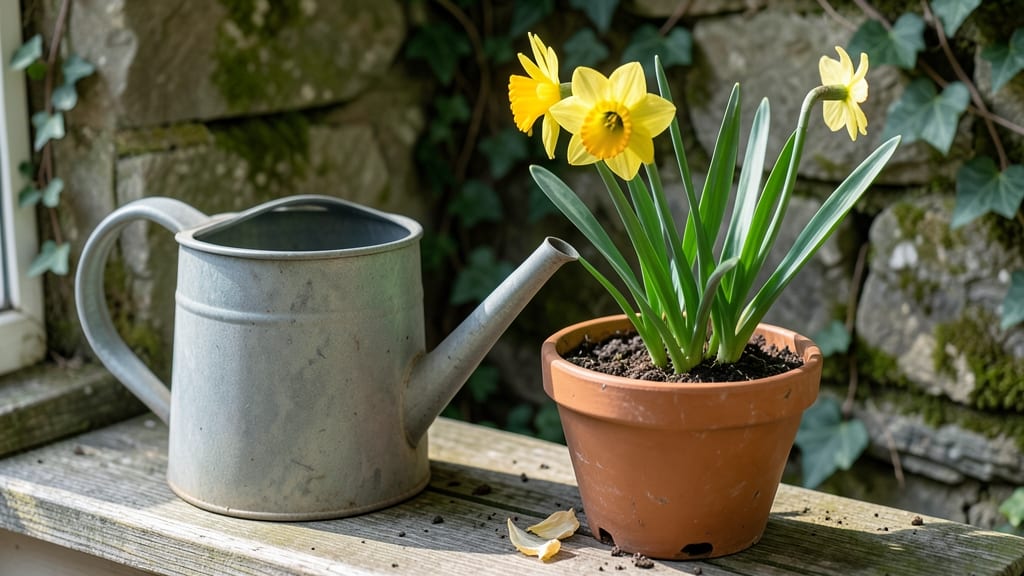
Caring for potted daffodils means waking up to bright yellow blooms even in winter. 🌱 I’ve turned my balcony into a springtime oasis by mastering the simple routine that keeps these hardy bulbs thriving year after year—no greenhouse required.
The secret lies in three key habits: watering only when the soil is dry, giving them 6+ hours of sunlight daily, and letting them rest after blooming. Most people overwater, which rots the bulbs, or skip the dormancy period, which weakens future flowers.
I’ve learned that patience pays off—those same bulbs will rebloom for years with minimal effort. By summer, you’ll see fresh foliage pushing through, signaling it’s time to fertilize lightly and prep for next winter’s show.
The scent of daffodils in February is worth every step, and the process is simpler than you’d think. Perfect for small spaces, balconies, or even sunny windowsills. Let’s get those pots blooming again and again!
📚 In This Guide
- What you need
- Instructions
- Tips and common mistakes
- Wrapping up and next steps
What you need
- ● Potted daffodil bulbs: 3–5 bulbs per 6–8" container (or 1 bulb per 1–2" of pot diameter). Choose Narcissus varieties like 'Tête-à-Tête' for compact pots.
- ● Well-draining potting mix: 1–2 gallons (depending on pot size). Use a bulb-specific mix or blend cactus/succulent soil with perlite (50/50 ratio) for aeration.
- ● Container with drainage holes: Terracotta, ceramic, or plastic (6" minimum for 1 bulb; larger for clusters). Pro tip: 💡 Add a mesh liner under holes to prevent soil loss.
- ● Slow-release bulb fertilizer: 1–2 tbsp (5–10g) per pot (look for 10-10-10 NPK or bone meal for phosphorus).
- ● Watering can with a rose or mist attachment: Avoid overwatering—daffodils hate soggy roots!
- ● Trowel or bulb planter: For gentle bulb placement (skip if hands work!).
- ● Gloves: Protect hands from sharp bulb edges.
- ○ Mulch (optional): 1–2" of orchid bark or gravel to retain moisture and deter weeds.
- ● Plant label: Mark varieties if growing multiple types.
- ● Sunlight assessment: Ensure your spot gets 6+ hours of light daily (south/west-facing windows or grow lights for indoor pots).
- ● Temperature control: Bulbs need a cool dormancy period (40–50°F/4–10°C) after blooming to rebloom next year.
- ● Patience: Daffodils take 6–8 weeks to sprout after planting—resist the urge to overwater!
Step-by-step instructions for potted daffodil care
Here’s how to keep your daffodils thriving year after year with simple, foolproof steps.
🌱 Step 1: Plant Daffodils in Well-Draining Pots
Use containers with drainage holes—daffodils hate soggy roots. I like 8-10 inch pots for each bulb, with 2-3 bulbs per pot spaced 2-3 inches apart. Fill the bottom with 1-2 inches of gravel or perlite to prevent waterlogging. This ensures excess moisture drains away instantly.
Add potting mix enriched with compost until the bulbs sit at a depth equal to twice their height. For most daffodils, that means planting them 6 inches deep. Press the soil gently around the bulbs so they stay upright but don’t compact it too tightly.
☀️ Step 2: Position for Bright but Indirect Light
Daffodils need 6+ hours of sunlight daily but prefer morning sun and afternoon shade in hot climates. A south-facing window or patio works well, but avoid placing them in direct afternoon sun—it can scorch the leaves. You’ll know they’re getting enough light when the foliage stays bright green and upright.
If your daffodils start stretching toward the light or the leaves yellow, they’re not getting enough. Rotate the pots a quarter turn weekly so they grow evenly. In winter, move them to a cooler spot (40-50°F) to mimic their natural dormancy cycle.
💧 Step 3: Water Deeply but Sparingly
Water only when the top inch of soil feels dry. Overwatering is the #1 killer of potted daffodils—it causes rot and weakens the bulbs. I use the "finger test": stick your finger in the soil. If it’s damp below the first inch, wait another day. When watering, soak the soil until it drains from the bottom, then empty the saucer to prevent standing water.
Once the flowers fade, reduce watering but keep the soil slightly moist. The foliage needs 4-6 weeks to yellow and die back naturally—this is how the bulb stores energy for next year’s blooms. Don’t cut the leaves until they’re completely brown.
✂️ Step 4: Fertilize and Prune for Next Year’s Blooms
After flowering, feed your daffodils with a balanced, low-nitrogen fertilizer (like 10-10-10) diluted to half strength. This encourages strong bulb development without promoting leafy growth at the expense of flowers. Apply it when the foliage is about halfway through its growth cycle—usually 6-8 weeks after blooming.
Once the leaves turn completely brown, trim them back to 1-2 inches above the soil line. This keeps the pot tidy and prevents pests from hiding in dead foliage. Store the pots in a cool, dark place (50-60°F) for 8-10 weeks
Daffodils multiply over time, and crowded bulbs produce fewer flowers. Every 2-3 years, divide the clumps in early spring (before new growth appears). Gently remove the bulbs from the pot, separate them with your hands, and discard any that are soft or shriveled. Replant the healthiest bulbs in fresh potting mix. This is also a good time to refresh the soil. Mix in compost or worm castings to replenish nutrients. If your daffodils aren’t blooming as well, it’s often a sign they’ve outgrown their pot or need a nutrient boost. A little extra care here ensures years of vibrant blooms with minimal effort.🪴 Step 5: Repot and Refresh Every 2-3 Years
Tips & tricks for perfect potted daffodil care
These simple tricks will help your daffodils bloom beautifully year after year with minimal effort.
Pot Selection: Avoid decorative pots without drainage—daffodils will rot if their roots sit in water. If you love the look of cachepots, nestle your functional pot inside one with a saucer underneath to catch drainage. I've used terracotta pots for years because they breathe better than plastic, but any container with holes works. The key is that excess water must escape immediately after watering.
Light Adjustments: The 6+ hours of sunlight requirement can be tricky indoors. If your daffodils start stretching toward the light (a condition called "etiolation"), they're not getting enough. Try rotating the pot weekly so all sides get equal light exposure. For winter dormancy, move them to a cooler spot (50-60°F) like a basement or garage—just keep them away from freezing temperatures. A sunny windowsill in winter is fine as long as temps stay above 40°F.
Watering Wisdom: The finger test is your best friend here. Stick your finger about an inch into the soil—if it feels damp, wait another day. I've ruined daffodils by overwatering, and the telltale sign is yellowing leaves that feel mushy when touched. When watering, pour slowly until you see water draining from the bottom. Empty the saucer immediately to prevent the roots from sitting in water, which causes rot.
Fertilizer Timing: That 6-8 week window after blooming for fertilizer is crucial. Apply it when the foliage is about halfway through its natural yellowing process—this gives the bulbs energy to store for next year's flowers. I use a 10-10-10 fertilizer diluted to half strength, but you can also use a bulb-specific fertilizer. The goal is to encourage strong bulb development without promoting excessive leafy growth that won't help with flowering.
Pro Tips for Potted Daffodil Care
- These simple tricks will help your daffodils bloom beautifully year after year with minimal effort.
- Pot Selection: Avoid decorative pots without drainage—daffodils will rot if their roots sit in water. If you love the...
- Light Adjustments: The 6+ hours of sunlight requirement can be tricky indoors. If your daffodils start stretching tow...
Frequently asked questions
Got questions about keeping your potted daffodils thriving? You’re not alone! Here are answers to the most common concerns—so you can enjoy those cheerful blooms with confidence.
Can I keep potted daffodils indoors year-round?
While daffodils can live indoors, they’re happiest outdoors or in bright, cool spaces (like a sunroom or garage in winter). Indoor potted daffodils often struggle with heat or low light, leading to fewer blooms. If you must keep them inside, place them near a north-facing window and avoid drafts. For best results, treat them as seasonal plants and move them outdoors in spring.
How long do potted daffodils bloom, and when should I replant them?
Daffodils typically bloom for 2–3 weeks in late winter to early spring. After flowering, let the foliage die back naturally (it feeds the bulb for next year!). Replant them outdoors in fall (6–8 weeks before frost) or keep them in pots with well-draining soil and minimal water. If you’re growing them in containers long-term, refresh the soil yearly to prevent nutrient depletion.
Why are my potted daffodil leaves turning yellow?
Yellow leaves usually mean overwatering or nutrient deficiency. Daffodils hate soggy roots—let the top inch of soil dry out between waterings. If the yellowing starts at the bottom of the leaves, it’s likely natural aging (trim them off). For top-yellowing, add a balanced fertilizer (like 10-10-10) in early spring. Avoid fertilizing after blooming to encourage bulb storage.
Can I grow other spring bulbs in the same pot as daffodils?
Daffodils pair beautifully with tulips, crocuses, or hyacinths in the same container. Just ensure the pot is at least 12 inches deep and has drainage holes. Avoid mixing with alliums or snowdrops—they can compete for nutrients or attract pests. Group bulbs by size (larger ones at the back, smaller ones in front) for a polished look. Pro tip: Use compost-rich soil to support multiple bulbs!
Do potted daffodils need winter care?
Yes! If your daffodils stay in pots outdoors, protect them from freezing. Bury the container in mulch or straw up to the rim, or move it to a sheltered spot (like a garage). If indoors, reduce watering and keep them in a cool (40–50°F) spot with minimal light. Avoid heat sources—daffodils must enter dormancy to rebloom next year!
Wrapping up and next steps
With just a little love and the right know-how, your potted daffodils can thrive year after year! 🌱 Remember, the key is consistency—watering wisely, providing sunlight, and giving them space to grow. Don’t let overwintering intimidate you; even this step is simple with proper prep.
Now that you’re armed with these tips, grab your gloves and get planting! 🌸 Whether you’re a seasoned gardener or just starting out, your daffodils will reward you with vibrant blooms that brighten up any space.
Ready to see your container garden shine? Check out our next guide for even more container gardening inspiration!