
Container Gardens
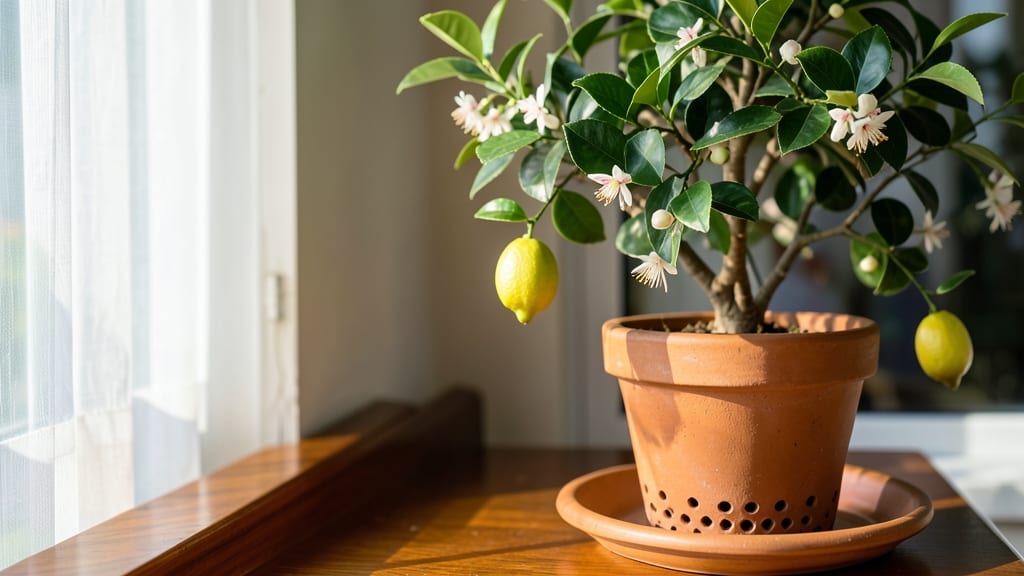
Growing a potted fruit tree lets you harvest crisp apples or sweet cherries from your balcony or patio. 🌱 I’ve grown dwarf varieties for years, and the right setup turns a small container into a productive mini-orchard.
The key is choosing a compact, self-pollinating tree—like a ‘Columnar Apple’ or ‘Patio Pear’—that thrives in 15-gallon pots with proper care.
Start with a sturdy container (at least 18 inches deep) that has drainage holes—root-bound trees fail fast. Use a well-draining potting mix designed for fruit trees, and plant in early spring when roots can establish before summer heat.
Water deeply but avoid soggy soil, and place your tree where it gets 6-8 hours of sunlight daily—the more light, the sweeter the fruit.
Prune in late winter to shape the tree and remove dead branches, and fertilize lightly every 4-6 weeks during growing season. With patience, you’ll see blossoms in 2-3 years and your first harvest by year 4 or 5.
The best part? No lawn to mow—just a tree that rewards you with fruit you grew yourself.
Watch for signs of root binding (circling roots at the pot’s edge) and repot every 2-3 years. Potted fruit trees need extra care, but the payoff—juicy peaches or tart apples—makes it worth every effort. Here’s how to keep yours thriving all season long.
📚 In This Guide
- What you need
- Instructions
- Tips and common mistakes
- Wrapping up and next steps
What you need
- ● Dwarf fruit tree: Choose from varieties like Apple (Columnar), Peach (Bonanza), or Citrus (Calamondin). Ensure it’s labeled as "dwarf" or "semi-dwarf" (3–6 ft tall).
- ● Container: A 5-gallon pot or larger (minimum 12" diameter) with drainage holes. Fabric grow bags or ceramic/terracotta pots work well.
- ● High-quality potting mix: A well-draining blend (e.g., 60% potting soil + 30% perlite + 10% compost). Avoid garden soil—it compacts and suffocates roots!
- ● Drainage layer: 1–2 inches of gravel, pebbles, or broken pottery at the pot’s bottom to prevent root rot.
- ● Fertilizer: A balanced, slow-release fertilizer (10-10-10 or 20-20-20) or an organic option like fish emulsion. Follow package instructions for dosage.
- ● Watering can or hose with a gentle nozzle: Overwatering is a common killer—opt for deep, infrequent watering (1–2 gallons per watering, depending on pot size).
- ● Pruning shears: Sharp, sterilized shears (or small bypass pruners) for shaping and maintaining your tree.
- ○ Mulch (optional but helpful): 2–3 inches of organic mulch (e.g., straw or wood chips) to retain moisture and regulate soil temperature.
- ● pH testing kit: Fruit trees thrive in slightly acidic soil (pH 6.0–7.0). Adjust with lime (to raise pH) or sulfur (to lower it) if needed.
- ● Trellis or support stake: For columnar varieties or windy areas. Use 3–4 ft tall stakes tied gently to the trunk.
- ● Espalier wires: If you’re training your tree into a decorative shape (e.g., fan or cordon).
- ● Fruit tree spray: Organic neem oil or copper fungicide to prevent pests/diseases (especially for citrus or stone fruits).
- ● Wheelbarrow or bucket: For mixing potting soil and amendments easily.
- ● Gloves: Protect your hands from thorns (especially on citrus or peach trees!).
Step-by-Step instructions for growing dwarf fruit trees in pots
Here’s how to grow thriving, productive fruit trees in containers—no yard required.
🪴 Step 1: Choose the Right Container and Dwarf Variety
Select a 5-gallon or larger container with drainage holes—dwarf fruit trees need room for roots to spread. I recommend ceramic or fabric grow bags for breathability and stability. The pot should be at least 12 inches deep to accommodate root growth without crowding.
Pick a dwarf variety suited to your climate—like columnar apple, bush peach, or patio pear. These compact trees mature in 3-5 years and produce full-sized fruit. Check the tag for cold hardiness; some varieties tolerate down to -10°F, while others need mild winters. Place the tree in its pot and fill the bottom 2 inches with gravel or broken pottery for drainage.
🌱 Step 2: Plant in Well-Draining Soil and Fertilize
Use a lightweight potting mix blended with 20% perlite or sand to prevent compaction. Avoid garden soil—it’s too dense and retains too much moisture. Fill the pot ⅔ full, then loosen the tree’s root ball before placing it in the center. The graft union (visible bump on the trunk) should sit 1 inch above soil level to prevent rot.
Backfill with soil, pressing gently to remove air pockets. Water deeply until it drains from the bottom. After planting, mix 2 tablespoons of balanced 10-10-10 fertilizer into the top 2 inches of soil. This gives young trees a nutrient boost without overwhelming them. Mulch the surface with 1 inch of bark chips to retain moisture and regulate soil temperature.
☀️ Step 3: Position for Sunlight and Water Consistently
Dwarf fruit trees need 6-8 hours of direct sun daily—place them near a south- or west-facing window or use a grow light if indoors. Without enough light, trees become leggy and produce poor fruit. You’ll notice yellowing leaves or sparse foliage if light is insufficient; move the tree closer or supplement with artificial light.
Water when the top 1-2 inches of soil feel dry—usually 2-3 times per week in summer, less in winter. Overwatering causes root rot, so always check moisture before watering. In hot weather, deep watering once a week is better than frequent shallow watering. Use a moisture meter or stick your finger in the soil to gauge dryness.
✂️ Step 4: Prune for Shape and Fruit Production
Prune in late winter or early spring before new growth begins. Remove dead, crossing, or inward-growing branches first to improve airflow. Cut back overly long branches by ⅓ to encourage bushier growth. Use clean, sharp pruners and make cuts just above a bud or outward-facing branch.
Thin fruit in early summer to 6-8 inches apart—this ensures larger, higher-quality harvests. You’ll see small apples or peaches forming; leave the healthiest ones and remove the rest. Prune again in fall to remove any suckers (shoots growing from the base) and shape the tree for winter. Avoid heavy pruning in fall, as it stresses the tree before dormancy.
🍎 Step 5: Overwinter and Maintain for Long-Term Health
In fall, reduce watering as temperatures drop and stop fertilizing by mid-autumn. Move pots to a protected spot (like a garage or covered porch) if temperatures dip below 20°F. Wrap the pot in bubble wrap or use a tree blanket to insulate roots. Check moisture weekly—slightly dry soil is better than soggy conditions during dormancy.
Resume watering and fertilizing in early spring as buds swell. Apply slow-release fertilizer in March or April and monitor for pests like aphids or spider mites. Spray with neem oil if you spot infestations. With proper care, your dwarf fruit tree will bear harvests for decades—just keep the soil rich, the light abundant, and the pruners sharp.
Tips & tricks for thriving potted fruit trees
Here’s what I’ve learned from years of growing dwarf fruit trees—these little details make all the difference between a struggling plant and a productive, happy tree.
Container Stability Matters: In Step 1, when choosing your 5-gallon or larger container, consider adding sandbags or weights to the bottom before planting. Dwarf fruit trees can get top-heavy with fruit, and a wobbly pot is a recipe for disaster. I’ve seen trees topple over after just a few ripe peaches—place your pot where it won’t get knocked around, and consider a saucer or tray underneath to catch any accidental spills.
Graft Union Protection: The instructions mention positioning the graft union 1 inch above soil level, but here’s the secret: add a small mound of soil around the base to create a natural barrier. This prevents water from splashing onto the graft (where the tree is attached to its rootstock) during watering. A healthy graft means your tree will produce fruit reliably for decades—don’t skip this step!
Light Supplement Strategy: For those of us without perfect south-facing windows, I’ve found that LED grow lights make a huge difference when supplementing the 6-8 hours of direct sun. Position the light 12-18 inches above the tree and use it for 12-14 hours daily in winter months. The key is to mimic natural daylight—trees need consistent light to set fruit properly. You’ll notice new growth slow down if light is insufficient.
Fertilizer Timing: The 2 tablespoons of 10-10-10 fertilizer in Step 2 is a great starting point, but here’s what I do differently: split that into two applications—half right after planting, and the other half in early spring. This prevents nutrient overload while ensuring your tree has steady nourishment. Also, avoid fertilizing in fall—it encourages new growth that won’t harden off before winter, making your tree more vulnerable to cold damage.
Pro Tips for Potted Fruit Tree
- Here’s what I’ve learned from years of growing dwarf fruit trees—these little details make all the difference between...
- Container Stability Matters: In Step 1, when choosing your 5-gallon or larger container, consider adding sandbags or ...
- Graft Union Protection: The instructions mention positioning the graft union 1 inch above soil level, but here’s the ...
Frequently asked questions
Got questions about growing fruit trees in pots?
You’re not alone! Here are answers to the most common concerns—from timing to troubleshooting—to help you cultivate a thriving potted fruit tree with confidence.
When is the best time to plant a potted fruit tree?
Plant your dwarf fruit tree in early spring (after the last frost) or late fall (before winter chill sets in). Avoid transplanting during extreme heat or cold—roots need time to establish without stress. If buying potted trees, check the label for species-specific timing (e.g., citrus thrives in warm climates year-round).
How often should I water a potted fruit tree?
Water deeply 1–2 times per week, letting the top 1–2 inches of soil dry out between sessions. In hot weather, increase frequency to every 2–3 days. Overwatering is worse than underwatering—ensure pots have drainage holes to prevent root rot. Pro tip: Use a moisture meter or stick your finger in the soil to gauge needs!
Can potted fruit trees survive winter?
Most dwarf varieties (like columnar apples or patio peaches) tolerate mild winters, but protect them from frost. Move pots to a sheltered spot, wrap the trunk with burlap, or use a frost cloth. Citrus and tropical trees (e.g., Meyer lemons) need indoor overwintering (bright, cool space like a garage). Mulch the soil surface for extra insulation.
How do I fertilize a potted fruit tree for maximum fruit?
Use a balanced, slow-release fertilizer (like 10-10-10) in early spring, then switch to a high-phosphorus formula (e.g., 5-10-10) when buds form. Feed every 4–6 weeks during growing season. Avoid over-fertilizing—it burns roots! Bonus: Top-dress with compost annually for organic nutrients.
Why isn’t my potted fruit tree bearing fruit?
Common culprits include insufficient sunlight (6+ hours daily), young age (dwarf trees may take 2–3 years to fruit), or lack of pollination. Hand-pollinate with a brush if bees are scarce. Check for pests (aphids, spider mites) or nutrient deficiencies (yellow leaves = nitrogen needs). Patience is key! Some varieties (like self-pollinating ‘Bonanza’ apples) are more reliable.
What’s the best pot size for a fruit tree?
Start with a 5-gallon pot for young trees, then upgrade to 15–25 gallons as they mature. Larger pots = more stability and root space, but ensure they’re at least 12–18 inches deep. Use lightweight materials (fabric grow bags, plastic) to avoid tipping. Remember: Dwarf trees grow 6–8 feet tall—choose pots with sturdy bases!
Can I grow multiple fruit trees in one pot?
Not recommended! Each tree needs its own space to compete for nutrients and sunlight. However, you can interplant shallow-rooted herbs (like basil or thyme) around the base—just avoid aggressive spreaders. For companion planting, stick to one tree per pot and group pots closely for pollinator-friendly clusters.
Wrapping up and next steps
Growing a potted fruit tree is a rewarding way to enjoy fresh, homegrown produce—even in tiny spaces! 🌱 With the right dwarf variety, proper care, and a little patience, you’ll soon be harvesting juicy berries, sweet citrus, or crisp apples right from your balcony or patio.
Whether you’re a beginner or a seasoned gardener, this guide has given you all the tools to succeed.
Ready to take the next step? Start by selecting your favorite fruit tree—then grab your pot, soil, and pruning shears, and get planting! Your future harvest (and future self) will thank you.