
Orchid Care
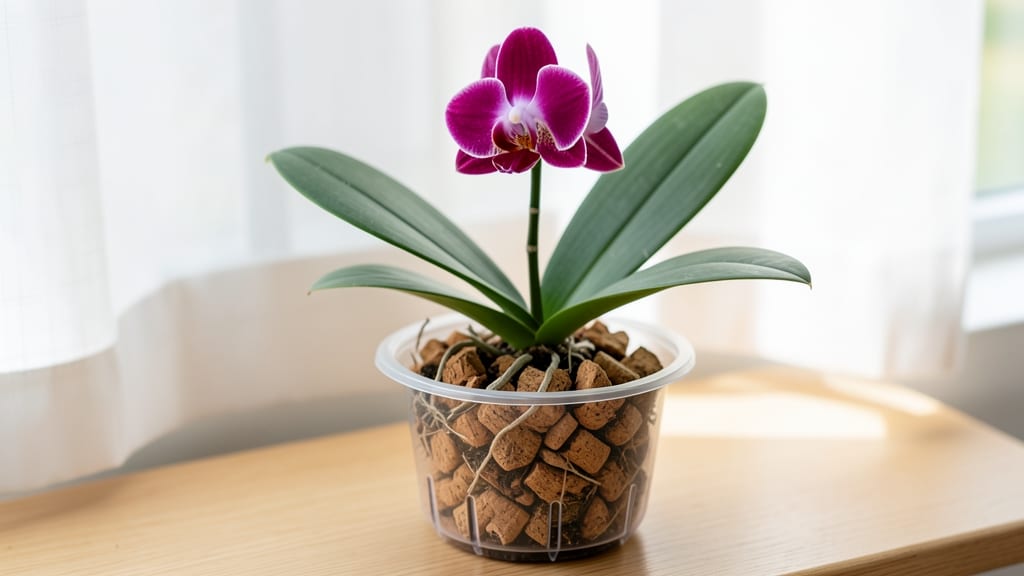
For orchids, the right potting material balances moisture retention and airflow, with bark-based mixes (like fir or pine) as the gold standard, while sphagnum moss and perlite improve drainage and prevent rot. Avoid heavy soils that hold too much water.
Orchid roots need air to breathe, which is why chunky bark creates air pockets while still holding just enough moisture. 🌿 I’ve found that adding sphagnum moss (20-30%) helps regulate humidity, especially for tropical species, while perlite (10-20%) keeps the mix light and prevents compaction.
The key is mimicking their natural habitats—epiphytic orchids thrive in loose, airy mixes, while terrestrial types prefer slightly denser blends with more moss. Always sterilize your materials to avoid fungal issues!
Mixing ratios vary by species: Phalaenopsis (moth orchids) love 60% bark, 20% moss, and 20% perlite, while Cattleyas do better with 50% bark and 50% moss. Repot every 1-2 years or when the mix breaks down, using fresh, sterile materials to keep roots healthy.
The right blend isn’t just about drainage—it’s about recreating the orchid’s natural growing conditions in your pot.
💡 In This Article
- Why Orchid Bark and Moss Create the Perfect Growing Medium
- DIY Orchid Potting Mix Recipes for Different Species
Why orchid bark and moss create the perfect growing medium
Orchid roots thrive in an environment that mimics their natural habitats, where they cling to trees or grow in loose, airy substrates. Bark—especially from fir or pine trees—plays a crucial role by creating tiny air pockets between its chunks.
These spaces allow oxygen to reach the roots while still retaining enough moisture to prevent dehydration. The bark's rough texture also encourages root attachment, similar to how orchids grip tree bark in the wild.
When you feel a good bark mix, it should be chunky but not powdery, with pieces ranging from ½ inch to 1 inch in diameter.
The science behind this balance lies in the material's capillary action—how water moves through the bark's fibrous structure. Unlike dense soils, bark doesn't hold water like a sponge; instead, it releases moisture gradually as the orchid needs it.
This is why bark-based mixes prevent the root rot that often plagues orchids in heavy potting soils. For example, a 60% bark mix will typically hold 30-40% moisture by weight when saturated, while still allowing 60% air space for root respiration. 🌿
Sphagnum moss adds a different but equally important function—humidity regulation. This moss absorbs water up to 20 times its dry weight and releases it slowly, creating a microclimate that keeps roots consistently moist without waterlogging. It's particularly valuable for tropical orchids like Phalaenopsis, which prefer higher humidity levels.
The moss's fibrous structure also helps stabilize the potting mix, preventing it from breaking down too quickly. When mixed with bark, sphagnum moss creates a 3D lattice that supports root growth while maintaining the right moisture balance.
Perlite, the third key component, serves as the "skeleton" of the mix. Its porous, glass-like particles expand when heated, creating lightweight, air-filled cavities that prevent compaction. This is critical because orchid roots need to breathe—unlike many houseplants, they're not designed to thrive in dense, anaerobic conditions.
Perlite also helps prevent fungal growth by reducing excess moisture around the roots. A typical mix might include 10-20% perlite, which adds 30-40% additional air space to the overall composition while contributing almost no moisture retention.
What most growers don't realize is how these materials work together to create a self-regulating ecosystem. The bark provides structure and gradual moisture release, the moss maintains humidity, and the perlite ensures oxygen flow.
Together, they replicate the epiphytic conditions orchids evolved to love—where they grow attached to trees but aren't rooted in soil.
For instance, a 70% bark, 20% moss, 10% perlite mix would be ideal for Cattleya orchids, while adding more moss (up to 30%) benefits Vandas, which prefer higher humidity. The ratio isn't arbitrary; it's about recreating the orchid's natural growing conditions in your pot.
One common mistake is using materials that don't break down over time. Fresh bark should be sterilized (boiled or baked at 200°F for 30 minutes) to kill fungi and insects, while perlite should be rinsed to remove dust.
Over time, bark decomposes, breaking down into a finer texture that reduces airflow—this is why repotting every 1-2 years is essential. The decomposition process actually benefits the orchid by gradually enriching the mix with organic matter, but only if you start with the right materials. 💫
The perfect orchid mix isn't about one ingredient—it's about the symbiosis between them. Bark provides structure and gradual moisture, moss regulates humidity, and perlite ensures oxygen flow. Together, they create an environment where orchid roots can thrive without the risk of rot or dehydration.
This is why commercial orchid mixes often combine these elements in specific ratios—because orchids aren't just picky about their potting material; they require the right balance to grow their best.