
Container Gardens
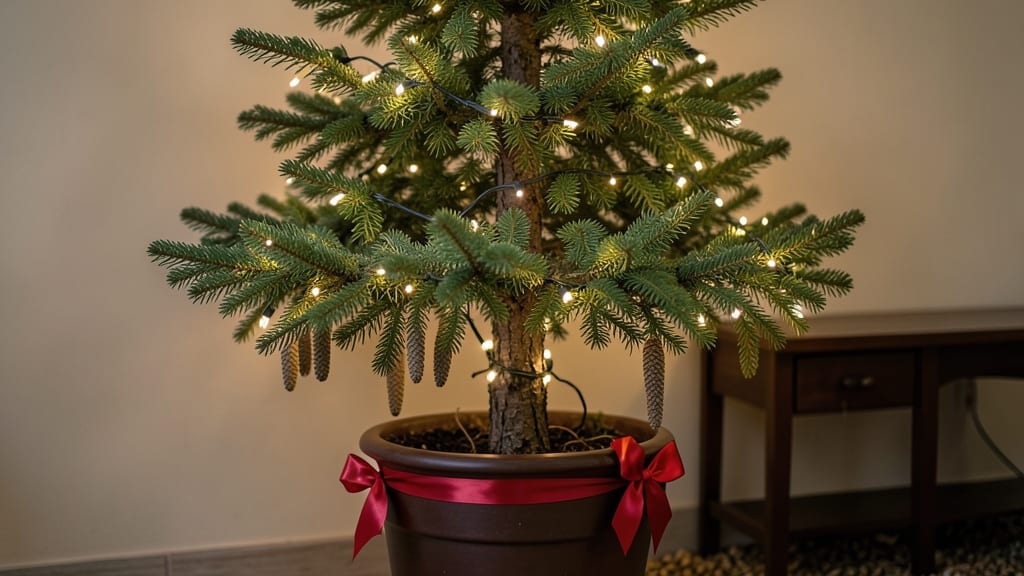
A real potted Christmas tree brings evergreen elegance that lasts long after December. 🌲 I’ve turned my holiday tree into a year-round statement piece—no more sad, dropped needles in January. The secret? Choosing the right tree and giving it proper care from planting to post-holiday life.
Start with a 5-7 gallon pot and a Norway spruce, Fraser fir, or Colorado blue spruce—these varieties handle potting best. Plant in well-draining soil and keep it in partial shade during the holidays to slow needle drop. Water when the top inch feels dry, but avoid soggy roots.
After the holidays, move it outdoors in spring for fresh air and sunlight. Prune any dead branches, fertilize lightly, and watch it grow into a living centerpiece for years. The first year’s growth is slow, but patience pays off with a tree that outlasts store-bought alternatives.
Perfect for small spaces, patios, or even as a gift that keeps giving. Just skip the tinsel—it damages needles and attracts pests. With the right care, your potted tree becomes a year-round investment, not a seasonal decoration.
📚 In This Guide
- What you need
- Instructions
- Tips and common mistakes
- Wrapping up and next steps
What you need
- ● Potted Christmas Tree: 1 live, pre-potted tree (species like Abies concolor, Picea glauca, or Pinus sylvestris work best).
- ● Height: 4–6 feet (adjust based on space).
- ● Healthy, full foliage with no brown needles.
- ● Container: 1 large, durable pot (18–24" diameter) with drainage holes.
- ○ Optional: Decorative planter or cache pot for aesthetic appeal.
- ● Growing Medium: High-quality acidic potting mix (pH 4.5–6.0) or a blend of: 60% peat moss or coconut coir
- ● 30% pine bark fines
- ● 10% perlite or sand
- ● Slow-release fertilizer (10-10-10 or 14-14-14, 1 lb per cubic foot of soil).
- ● Tools: Garden trowel or shovel
- ● Gloves (to protect hands from sap and soil)
- ● Watering can or hose with a gentle spray nozzle
- ● Pruning shears (for shaping or trimming)
- ● Tree lights or ornaments (LED string lights are safest for indoor use).
- ● Mulch (pine straw or bark chips) to retain moisture.
- ● Humidity tray (pebble tray + water) to combat dry indoor air.
- ● Tree-specific foliar spray (e.g., Wilt-Pruf) to preserve freshness.
- ● Decorative accents like moss, fairy lights, or themed planters.
Step-by-step guide to growing a real potted Christmas tree
Here's how to cultivate a stunning, long-lasting evergreen in a container that stays fresh through the holidays.
🌱 Step 1: Select the Right Evergreen Species and Container
Choose a slow-growing evergreen like Norway spruce, Fraser fir, or Colorado blue spruce—these hold their needles best in pots. Avoid fast-growing species like Scotch pine, which shed needles rapidly. The container should be at least 12 inches deep and wide with drainage holes, and 2-3 inches wider than the root ball for proper root expansion.
I recommend using a lightweight fabric grow bag for the first year—it prevents root circling and allows roots to breathe. If using a traditional pot, ensure it's made of unglazed terra cotta to wick away excess moisture. Fill the bottom 2 inches with gravellike drainage material to prevent waterlogging, which is the #1 killer of potted evergreens.
🪴 Step 2: Prepare the Soil and Plant Properly
Mix equal parts of peat moss, perlite, and pine bark fines for a well-draining, acidic growing medium (evergreens prefer pH 4.5-6.0). Avoid garden soil—it compacts and suffocates roots. Fill the container halfway with your mix, then gently loosen the root ball of your nursery-grown tree before placing it in the pot.
Position the tree so the top of the root ball sits 1 inch below the container rim—this prevents soil from spilling out when watering. Backfill with your mix, pressing lightly around the edges to eliminate air pockets. Water deeply until it drains freely from the bottom, then let it sit for 24 hours before adding mulch. Top with 1 inch of pine bark mulch to retain moisture and regulate soil temperature.
☀️ Step 3: Provide Optimal Light and Watering
Place your potted tree in full sun (6+ hours daily)—evergreens need intense light to develop vibrant color and strong structure. A south-facing patio or balcony works best, but if you're in a shaded area, supplement with a 10,000-lumen LED grow light for 12 hours daily. Without enough light, needles turn yellow or brown and drop prematurely.
Water deeply every 5-7 days, checking that the soil feels dry 2-3 inches down before watering again. Overwatering causes root rot, while underwatering leads to needle drop. I like to soak the pot in a sink or tub for 10-15 minutes, then let it drain completely. In winter, reduce watering to every 10-14 days—evergreens enter dormancy and need less moisture.
✂️ Step 4: Prune and Maintain for Long-Term Health
Prune only in late winter or early spring (never after mid-summer) to avoid stressing the tree. Remove dead, broken, or crossing branches with clean, sharp pruning shears, cutting just outside the branch collar. Never "top" the tree—this encourages weak, leggy growth. After pruning, apply a balanced 10-10-10 fertilizer in early spring and again in mid-summer to support foliage density.
Every 2-3 years, repot into a container 2-3 inches larger to accommodate root growth. This is also a good time to refresh the soil—evergreens deplete nutrients quickly in containers. If you notice yellowing needles in the center, it’s a sign of nutrient deficiency or poor air circulation. Trim back the interior branches slightly to improve airflow and light penetration.
⏰ Step 5: Prepare for the Holidays and Winter Care
Start 2-3 weeks before decorating, move your tree indoors to a cool (50-60°F) but frost-free space like a garage or sunroom. This hardens it off and prevents shock when you bring it inside. Once indoors, place it in a bright, draft-free area away from heat sources—radiators and fireplaces dry out needles instantly. Mist the tree daily to maintain humidity, especially if indoor air is dry.
When it’s time to decorate, use LED string lights (they emit less heat than incandescent) and avoid heavy ornaments that can bend branches. After the holidays, return the tree to its outdoor location as soon as possible—evergreens can’t handle prolonged indoor conditions. In USDA Zones 5-7, protect the pot with burlap or frost cloth during extreme cold snaps to prevent root damage.
Tips & tricks for perfect potted Christmas tree cultivation
These expert insights will help you nurture a thriving evergreen that stays lush and vibrant through the holidays.
The Species Selection Secret: When choosing between Norway spruce, Fraser fir, or Colorado blue spruce, consider your climate. Fraser firs maintain their needles exceptionally well indoors, making them ideal for holiday displays. Colorado blue spruces handle colder temperatures better, while Norway spruces grow more slowly—perfect if you want a smaller, manageable tree. Avoid trees with yellow or brown needles at the nursery, as these are early signs of stress or disease that will only worsen in a pot.
Container Placement Strategy: The 24-hour settling period after planting is crucial—don't skip it! This allows the roots to establish contact with the soil and prevents soil erosion when you add mulch. Position your container on a stable, level surface to prevent tipping, especially if you're using a heavy terra cotta pot. For windy locations, consider staking the tree temporarily until it's well-rooted (about 6-8 weeks after planting).
Lighting Optimization: If you're supplementing with a 10,000-lumen LED grow light, place it 12-18 inches above the tree to mimic natural sunlight. For best results, position the light so it covers the tree from all sides—rotate the pot daily to prevent lopsided growth. In winter, extend the light exposure to 14 hours daily if natural light is limited, as evergreens need more light during their dormant season to maintain needle color.
Winter Care Preparation: When moving your tree indoors 2-3 weeks before decorating, place it in a shaded outdoor area for the first 24 hours to help it acclimate gradually. This slow transition prevents needle drop from temperature shock. If you're in USDA Zones 5-7, protect the pot with burlap or frost cloth during extreme cold snaps—wrap the cloth loosely around the pot and secure it with twine, leaving the top open for airflow. This insulation prevents root damage without suffocating the tree.
Pro Tips for Real Potted Christmas Tree
- These expert insights will help you nurture a thriving evergreen that stays lush and vibrant through the holidays.
- The Species Selection Secret: When choosing between Norway spruce, Fraser fir, or Colorado blue spruce, consider your...
- Container Placement Strategy: The 24-hour settling period after planting is crucial—don't skip it! This allows the ro...
Frequently asked questions
Got questions about keeping a real potted Christmas tree alive and beautiful? We’ve got answers! Here are some of the most common concerns—plus tips to make your tree thrive all season long.
How long will a potted Christmas tree last indoors?
A well-cared-for potted Christmas tree can stay fresh indoors for 6–12 weeks—far longer than a cut tree! The key is consistent watering (check soil daily) and placing it away from heat sources like fireplaces. With proper care, some varieties even regrow for next year!
Can I reuse a potted Christmas tree year after year?
Many evergreens like Norfolk Island pine or Leyland cypress are hardy enough to survive indoors and out. After the holidays, move it to a sheltered spot (like a garage or patio) and water lightly until spring. Prune brown branches in early spring to encourage new growth.
How often should I water a potted Christmas tree?
Water your tree every 2–3 days—or daily in dry climates. Stick your finger 1–2 inches into the soil; if it’s dry, it’s time to water. Overwatering is worse than underwatering, so ensure the pot has drainage holes and avoid soggy soil.
What’s the best way to transition a potted tree from indoors to outdoors?
Acclimate your tree gradually to avoid shock! Start by placing it in a shaded, sheltered spot for a week, then slowly increase sun exposure. Water deeply before moving it outside, and avoid freezing temperatures until it’s fully hardened off (usually after spring).
Why are the needles turning brown?
Brown needles usually mean drought stress or heat damage. Move the tree away from vents/heaters and water thoroughly. If only the tips are brown, it’s likely natural shedding—common in some varieties. For severe browning, trim affected branches to encourage new growth.
Can I plant a potted Christmas tree permanently in my yard?
Yes! Most potted Christmas trees thrive as landscape plants. Choose a sunny spot with well-draining soil, water deeply after transplanting, and mulch to retain moisture. Just avoid planting near sidewalks—roots can crack concrete over time!
Wrapping up and next steps
A real potted Christmas tree isn’t just a holiday decoration—it’s a year-round investment in beauty, sustainability, and joy. Whether you’re drawn to their lush greenery, eco-friendly appeal, or the magic of keeping the season alive, these trees bring real magic to your home. 🌲✨
Ready to embrace the charm? Start by choosing your tree, then gather your supplies and follow our step-by-step guide. With a little care, your potted tree will be the star of your home—for the holidays and beyond!