
Neem Oil
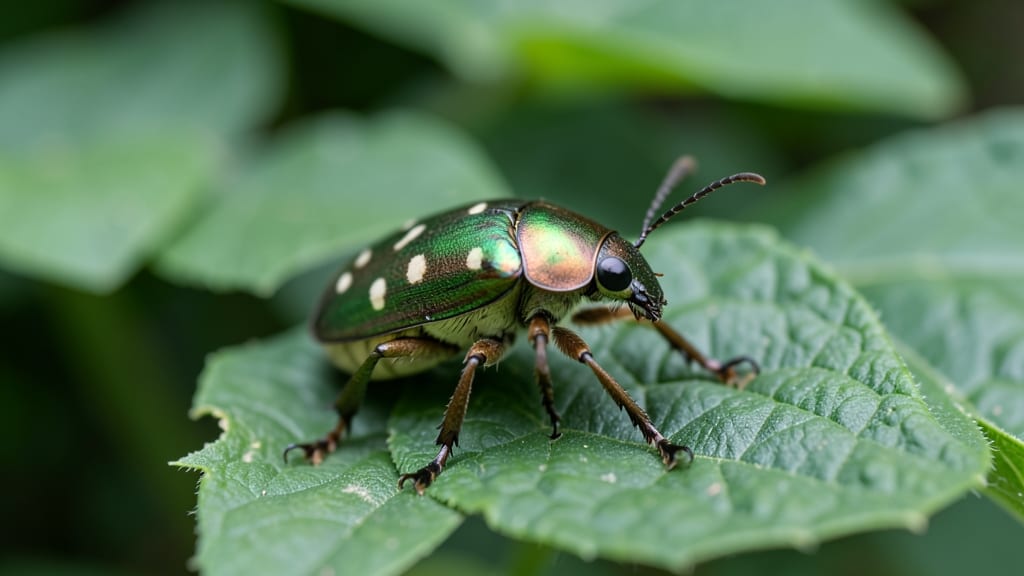
Spotted June bugs turn your garden into a chaotic feeding frenzy if you don't act fast. 🌱 These striped beetles aren't just annoying—they skeletonize leaves overnight, leaving your prized tomatoes and roses looking like lace. The key to stopping them?
Neem oil, which disrupts their life cycle at every stage, from eggs to larvae. I learned the hard way when my entire basil patch disappeared in 48 hours last summer. The secret weapon?
A neem oil spray applied at dusk when bugs are active, smothering eggs and confusing larvae before they hatch. It's not just about killing what's there—it's about breaking their reproductive cycle so next year's infestation never starts.
By mid-July, your plants will recover with lush, undamaged foliage, and the neem oil's residual effects keep new bugs from settling in. The best part? It works on lawns, vegetable gardens, and ornamental plants without harming beneficial insects when used correctly.
Timing is everything—start treatments in early June before eggs hatch, and repeat every 7-10 days until fall. For heavy infestations, combine with row covers for extra protection during peak feeding season.
Root Causes Of Lawn Invaders
When spotted June bugs (or their grubs) turn your lawn into a chewed-up canvas, it’s rarely just bad luck—it’s usually a mix of environmental factors, habitat preferences, and human activity.
Understanding these triggers helps you prevent future outbreaks instead of just reacting to them. Let’s break down the science behind why these beetles show up in your yard.
Spotted June bugs thrive in soft, moist soil—the kind that’s easy for their larvae to burrow into. Here’s why your lawn might be their perfect buffet:
- Excessive irrigation or rain: Watering too often (or relying on frequent rainfall) keeps soil saturated, creating ideal conditions for grub development. Think of it like a spa for grubs!
- Poor drainage: Low-lying areas or clay-heavy soil trap moisture, turning your yard into a grub nursery. Test drainage by digging a 6-inch hole—if water pools after 6 hours, you’ve got a problem.
- Heavy foot traffic or machinery: Compacted soil (from mowing, playing sports, or parking lawn equipment) forces grubs deeper, making them harder to reach with treatments. Pro tip: Aerate in early fall to loosen soil and disrupt their tunnels.
These beetles don’t just land randomly—they’re drawn to lush, weed-infested grass that provides shelter and food. Here’s the connection:
- Thick, healthy grass: While you might love a dense lawn, it’s also a grub magnet. Grubs feed on roots, and thick turf gives them plenty to munch on without being noticed.
- Weeds and clover: Spotted June bugs adore broadleaf plants like dandelions and clover. These weeds attract adult beetles to lay eggs, then their shallow roots become a grub buffet. Action step: Mow high (3–4 inches) to shade out weeds naturally.
- Newly seeded areas: Freshly planted grass is irresistible to grubs because the roots are tender and easy to digest. If you’ve reseeded recently, expect extra vigilance.
Spotted June bugs don’t emerge from thin air—they migrate from wild, undisturbed habitats where they’ve been thriving for years. If your yard borders:
- Forests or wooded edges: These areas are their natural breeding grounds. Adults fly from trees to lay eggs in open grass, especially after rain.
- Golf courses or parks: Manicured but chemically treated turf can disrupt natural predators (like birds or toads), leaving grubs unchecked. Your lawn becomes collateral damage.
- Old fields or abandoned lots: Grubs can survive for years in dormant states, waiting for the right conditions to hatch. A sudden shift (like new construction or irrigation) can trigger a mass emergence.
💡 Pro tip: Create a 10-foot buffer of mulch or ground cover (like clover) between your lawn and wooded edges to deter adult beetles from landing.
Spotted June bugs have a strict schedule, and their life cycle syncs with specific weather cues:
- Warm, humid springs: Grubs hatch in late May to June when soil temps hit 60°F+. If spring is unusually warm, you’ll see earlier and more aggressive outbreaks.
- Drought followed by rain: A dry spell weakens grass, then a heavy downpour signals grubs to feed. This “boom-and-bust” cycle explains why some yards get hit hard in patches.
- Cool, wet summers: Grubs thrive in these conditions, delaying their pupation into adult beetles. The result? A second generation of grubs next spring.
🌡️ Watch for: If your area had unusually high rainfall in May or mild winters, brace for a worse-than-average infestation.
Now that you know why these bugs choose your lawn, the next step is smart prevention—like using neem oil to smother eggs and larvae before they become a problem. Stay tuned!
Practical Fixes for Garden Invaders
When spotted June bugs 🪰 start wreaking havoc on your lawn or garden, quick action is key. Below are targeted solutions tailored to the root causes—whether it’s eggs, larvae, or adult beetles—plus prevention tips to keep them at bay for good.
---
Spotted June bug eggs overwinter in soil, so early intervention is critical. Neem oil is your secret weapon here.
How to do it: 1. Apply neem oil spray in late fall or early spring (before eggs hatch). Mix 2 tbsp neem oil + 1 tsp mild dish soap + 1 gallon water, then spray evenly over affected grass or garden beds. 2. Water lightly after application to help the oil penetrate the soil. 3. Reapply every 2–3 weeks during peak egg-laying seasons (spring and fall).
Why it works: Neem oil disrupts egg development, preventing larvae from emerging. The dish soap acts as a penetrant to ensure the oil reaches the soil surface.
> 💡 Pro Tip: Focus on high-traffic grassy areas where adults lay eggs—these are prime breeding grounds!
---
Larvae (white grubs) feed on roots, causing brown patches in lawns. A two-pronged approach works best: neem oil + manual removal.
How to do it: 1. Test for grubs by slicing a small section of turf. If you find C-shaped larvae, treatment is needed. 2. Apply neem oil as a soil drench (same recipe as above) to suffocate larvae. 3. Encourage natural predators like birds and toads by keeping your yard healthy (avoid overwatering or chemical pesticides). 4. For severe infestations, use a hand trowel to dig out grubs from the top 2–3 inches of soil.
Why it works: Neem oil disrupts the larvae’s feeding and molting process, while manual removal reduces their numbers fast.
> 🔥 Hot Tip: Water your lawn deeply but infrequently—grubs thrive in soggy soil, so proper drainage discourages them!
---
Adult spotted June bugs don’t bite but can damage foliage. Trap them early to prevent egg-laying.
How to do it: 1. Set up beer traps (yes, really!). Bury a shallow container (like a tin can) filled with beer or yeast water at ground level. The scent attracts them, and they drown. 2. Use neem oil spray on plants to deter adults from landing. 3. Handpick beetles at dusk (when they’re most active) and drop them in soapy water.
Why it works: Beer traps exploit their attraction to fermentation odors, while neem oil creates an unpleasant barrier on leaves.
> 🌡️ Seasonal Reminder: Adults emerge in late spring/early summer—be proactive before they multiply!
---
Stop the cycle with these low-maintenance habits:
| Action | How to Do It | Why It Helps | |--------------------------|------------------------------------------|------------------------------------------| | Aerate your lawn | Rent a core aerator in fall/early spring | Reduces compacted soil where grubs hide | | Mow high | Set mower to 3–4 inches | Stronger grass resists root damage | | Dethatch regularly | Rake or use a dethatcher in spring | Prevents thatch buildup (grub haven) | | Plant resistant grasses | Choose tall fescue or Kentucky bluegrass | Less appealing to egg-laying adults |
Bonus: Beneficial nematodes (like Heterorhabditis bacteriophora) can be applied to soil to kill grubs naturally—ask your local garden center for organic options.
--- Final Thought: Consistency is key. Combine neem oil treatments with preventive habits, and you’ll keep spotted June bugs from turning your yard into their personal buffet. 🚫🪰
Frequently asked questions
Why do spotted June bugs prefer my lawn over others?
These beetles target lawns with soft, moist soil and thick grass—perfect for their larvae to feed on roots. If your yard has poor drainage or recently seeded areas, it becomes even more attractive. Adults also seek out weed-infested patches like clover, which provide shelter and food.
How can I tell if my lawn has spotted June bug grubs?
Look for C-shaped white larvae when you slice open turf. If the grass pulls up easily (like a "sod roller" effect) or you see brown patches that don't recover after watering, grubs are likely feeding on roots. Test a small area by digging 2-3 inches deep—more than 5 grubs per square foot means treatment is needed.
Is neem oil safe to use around pets after application?
Once dry, neem oil is generally safe for pets, but keep them off treated areas for 24 hours to prevent ingestion. Always use food-grade neem oil and avoid overspraying plants your pets might chew. For extra safety, apply neem in the evening when pets are less active.
Will beer traps actually work for adult spotted June bugs?
Yes! These beetles are drawn to fermentation scents. Bury a shallow container filled with beer or yeast water so the rim is level with the soil. Check traps daily and replace the liquid every 2-3 days—they'll drown within hours. For best results, place traps near wooded edges where adults emerge.
Can I use neem oil on vegetable gardens where spotted June bugs are feeding?
Neem oil is organic and safe for edible plants when used correctly. Spray foliage and soil in the early morning to avoid harming beneficial insects like bees. Wait 24 hours before harvesting to ensure residue settles. It's especially effective on tomatoes, peppers, and beans that June bugs often target.