
Shrubs
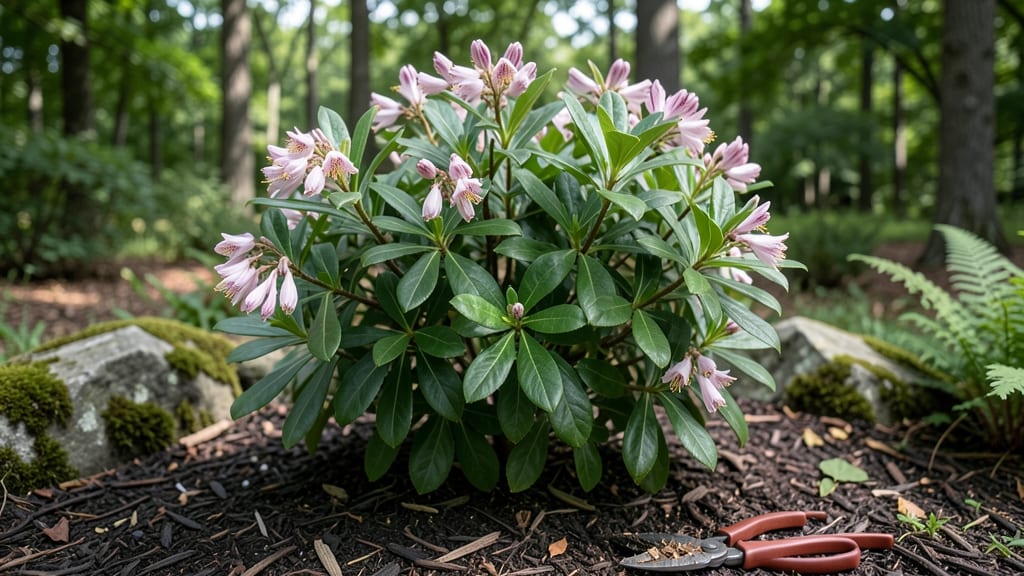
Spotted laurel shrubs bring year-round color with almost no effort—just plant them in the right spot and forget them for months. 🌿 I’ve had mine thrive for years with only occasional pruning, and the glossy leaves with their striking yellow spots make it the perfect low-maintenance statement plant.
These shrubs handle shade like a champ, making them ideal for under trees or along north-facing walls where other plants struggle. They’re also tough enough for coastal gardens, where salt spray wouldn’t bother them, and they tolerate everything from clay to sandy soil—just don’t let them sit in soggy ground.
By late fall, you’ll get clusters of bright red berries that birds adore, adding another layer of interest. The foliage stays vibrant even in winter, so it’s one of the few plants that truly delivers four-season appeal without fuss.
Here’s how to get started—whether you’re planting from a nursery pot or propagating your own cuttings. The key is in the details, but trust me, once established, these shrubs practically take care of themselves.
📚 In This Guide
- What you need
- Instructions
- Tips and common mistakes
- Wrapping up and next steps
What you need
- ● Spotted Laurel shrub: 1 nursery-grown plant (3–5 gallons in size, 18–24" tall) or
- ● Seeds (if propagating from scratch—germination can be tricky!)
- ● Well-draining potting mix or garden soil: 5–10 gallons (amend with compost for better fertility)
- ● Container or planting hole: 1 container (12–18" diameter, with drainage holes) or
- ● 1 hole (2–3 times wider than the root ball)
- ● Slow-release fertilizer: 10–20–10 NPK ratio (1 tbsp per plant)
- ● Mulch: 2–3 inches of organic mulch (e.g., shredded bark or pine needles)
- ● Watering can or hose with a gentle spray nozzle
- ● Pruning shears (sterilized) (for shaping or maintenance)
- ● Soil moisture meter (to check root zone hydration)
- ● Plant support stakes (if growing in windy areas)
- ● Fungicide (preventative spray for humidity-prone climates)
- ● Decorative rocks or edging (for a polished garden bed)
- ● Gloves (to protect hands from thorns or rough bark)
How to plant and maintain a thriving spotted laurel shrub
This evergreen beauty delivers lush color with almost no effort—here’s how to set it up for success.
🪴 Step 1: Choose the Perfect Planting Spot
Spotted laurel thrives in partial shade to full sun, but the key is avoiding harsh afternoon rays in hot climates. I always look for a spot with morning sun and afternoon shade—this prevents leaf scorch while keeping the foliage vibrant. The soil should drain well; if your yard holds water, amend with 2-3 inches of compost to improve aeration.
Dig a hole twice as wide as the root ball but only as deep. This encourages roots to spread outward instead of settling too low, which can cause rot. Gently loosen the roots if they’re circling tightly—they’ll thank you with faster establishment. Real talk: I’ve seen gardeners plant too deep, and the shrub just sits there struggling for years.
☀️ Step 2: Plant and Water for Strong Establishment
Place the spotted laurel in the hole, backfill with native soil, and tamp lightly to remove air pockets. Water deeply right after planting—1-2 gallons should soak the root zone completely. You’ll know it’s right when water runs out the drainage holes if potted, or when the top inch feels damp.
Mulch around the base with 2-3 inches of organic mulch (like pine bark or shredded leaves) to retain moisture and regulate soil temperature. Keep mulch 3 inches away from the trunk to prevent rot. Here’s the thing—spotted laurel hates soggy roots, so if your area gets heavy rain, consider a raised bed or slight slope to improve drainage.
💧 Step 3: Water and Fertilize for Year-Round Health
Water once a week during the first growing season, letting the soil dry out slightly between waterings. After the first year, spotted laurel is drought-tolerant—water only when the top 2 inches of soil feel dry. Overwatering is the #1 killer; yellowing leaves usually mean you’re giving it too much love.
Fertilize lightly in early spring with a balanced 10-10-10 fertilizer (about ½ cup per shrub). I skip fertilizer after the first year unless the growth looks weak. The goal is to encourage slow, steady growth—not rapid, water-hungry shoots. Prune only to shape in late winter, cutting just above a leaf node to maintain that dense, glossy look.
✂️ Step 4: Prune and Protect for Long-Term Beauty
Shape your spotted laurel in late winter or early spring before new growth starts. Remove any dead or crossing branches first, then trim back overgrown areas to maintain a natural form. Never cut into old wood—this shrub responds best to fresh growth pruning. Watch for spider mites on the undersides of leaves; a strong spray of water usually clears them up before they cause damage.
In colder zones, a light mulch layer (2-3 inches) around the base protects roots from freeze-thaw cycles. I’ve seen spotted laurel survive -10°F with no issues, but young plants benefit from extra winter care. If your area gets heavy snow, gently brush it off the branches to prevent breakage—those variegated leaves are too pretty to risk!
Tips & tricks for perfect spotted laurel care
Took me years to figure out why some spotted laurels thrive while others struggle—here’s what nobody tells you.
Soil Test First: Before planting, grab a handful of your native soil and squeeze it. If it forms a tight ball that doesn’t crumble easily, you’ve got compacted soil—spotted laurels hate this. Amend with 2-3 inches of compost (as mentioned in Step 1) and mix in some coarse sand or perlite if your soil feels heavy. I’ve seen plants double in size within a year after this simple adjustment.
Root Ball Inspection: When you remove your spotted laurel from its container, check the roots. If they’re circling tightly (a common nursery practice), gently tease them apart with your fingers before planting. This prevents "pot-bound" roots that strangle growth. Don’t skip this—it’s the difference between a shrub that struggles and one that thrives from day one.
Watering Hack: After your initial 1-2 gallons of water (Step 2), let the soil dry out completely before watering again. Stick your finger 2 inches deep—if it feels dry, it’s time. Overwatering is the silent killer of spotted laurels, and yellowing leaves are your first warning sign. Trust me on this: I’ve lost count of how many I’ve revived by simply cutting back on water.
Fertilizer Timing: That ½ cup of 10-10-10 fertilizer in early spring should be your only feeding for the first year. Too much nitrogen makes spotted laurels grow fast but weak. After year one, only fertilize if you notice weak growth or pale leaves. The goal is slow, steady growth—not a nitrogen high that burns the roots.
Pro Tips for Spotted Laurel Shrub
- Took me years to figure out why some spotted laurels thrive while others struggle—here’s what nobody tells you.
- Soil Test First: Before planting, grab a handful of your native soil and squeeze it.
- Root Ball Inspection: When you remove your spotted laurel from its container, check the roots.
Frequently asked questions
How often should I prune my Spotted Laurel shrub?
Prune your Spotted Laurel lightly in late winter or early spring to shape it and encourage bushier growth. Avoid heavy pruning—this shrub thrives with minimal trimming. Just remove dead or overgrown branches to maintain its neat, compact form. Pro tip: Use clean, sharp shears to prevent disease!
Is Spotted Laurel drought-tolerant once established?
Yes! Once your Spotted Laurel is established (usually after 1–2 years), it handles drought surprisingly well. However, young plants benefit from regular watering during dry spells. Mulch around the base to retain moisture and protect roots. Bonus: It’s also heat-tolerant, making it ideal for sunny climates!
What pests commonly attack Spotted Laurel, and how do I treat them?
Spotted Laurels are pest-resistant, but you might spot aphids, spider mites, or scale insects occasionally. Treat mild infestations with a hose spray or insecticidal soap. For severe cases, use a neem oil solution. Prevention tip: Keep the area around your shrub free of debris to deter pests!
Can I grow Spotted Laurel in containers, or is it better in the ground?
While Spotted Laurel prefers ground planting, it can thrive in containers if given enough space (at least 15–20 gallons). Use well-draining soil and a pot with drainage holes. Just know it may need more frequent watering and won’t grow as large as in-ground plants. Container hack: Group pots together for a lush, cohesive look!
How cold-hardy is Spotted Laurel, and does it need winter protection?
Spotted Laurel is hardy in USDA zones 7–10, tolerating temps down to 10°F (-12°C). In colder zones, mulch heavily around the base to insulate roots. Young plants may need winter wraps or burlap shields for extra protection. Remember: Avoid pruning in late winter—wait until after the last frost!
Wrapping up and next steps
The spotted laurel shrub is a true gem for gardeners seeking year-round beauty with minimal fuss—its glossy foliage, vibrant variegation, and adaptability make it a standout choice. Whether you're a seasoned green thumb or just starting, this shrub proves that stunning landscapes don’t require endless effort.
Ready to elevate your outdoor space? Plant one today and enjoy its effortless elegance for years to come! 🌿✨
- Next step: Check your local nursery or order online to bring home your spotted laurel shrub!