
Size
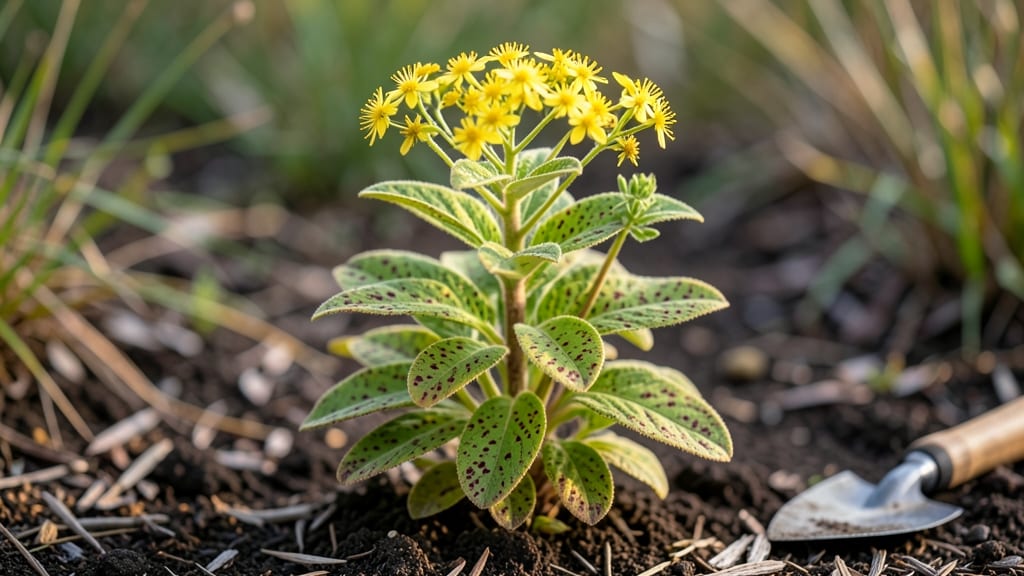
Spotted St. John's wort thrives where most perennials struggle—shady corners and tough soil. 🌿 I've grown this hardy plant for years, and its bright yellow blooms always bring a smile, even in the deepest shade of my garden.
The secret lies in its adaptability: it tolerates poor soil, spreads easily, and blooms from mid-summer through fall without fuss.
This plant needs almost nothing to flourish: partial to full shade, moist but well-draining soil, and minimal pruning. It spreads via underground runners, so give it space—2 to 3 feet apart—or contain it with a root barrier.
Once established, it's nearly pest-proof and drought-tolerant, making it a low-maintenance star for pollinators.
By late summer, you’ll see clusters of 5-petal blooms that attract bees and butterflies while repelling deer. The foliage stays lush all season, and the plant even self-seeds, ensuring it returns year after year. It’s the kind of plant that rewards patience with effortless beauty.
Perfect for woodland gardens, perennial borders, or even as a ground cover under trees. Here’s how to get it growing strong in your space!
📚 In This Guide
- What you need
- Instructions
- Tips and common mistakes
- Wrapping up and next steps
What you need
- ● Seeds or nursery-grown plants: 10–20 seeds (if starting from scratch) or 3–5 healthy transplants (for quicker results).
- ● Look for Hypericum maculatum or "Spotted St. John’s Wort" labels.
- ● Growing medium: Well-draining potting mix (for containers) or loamy garden soil (for in-ground planting).
- ● Compost (1–2 cups per planting hole) for nutrient-rich soil.
- ○ Perlite or sand (optional, 10–20% mix) to improve drainage.
- ● Containers (if not planting in-ground): 5–7-inch diameter pots (for seedlings) or 12+ inch pots (for mature plants).
- ● Ensure pots have drainage holes to prevent root rot.
- ● Gardening tools: Trowel or small shovel
- ● Pruning shears (for harvesting or shaping)
- ○ Gloves (optional, to protect from mild skin irritation)
- ● Watering: Watering can or hose with a gentle spray nozzle
- ● Misting bottle (for seedling care)
- ○ Optional but helpful: Mulch (straw or shredded leaves) to retain moisture
- ● Fertilizer (balanced 10-10-10 or organic compost tea)
- ● Plant labels (to track varieties)
- ● Sunlight: Full sun (6+ hours daily) or partial shade (4–6 hours).
- ● Climate: Hardy in USDA Zones 3–9; tolerates heat and humidity.
- ● Timing: Seedlings: Start indoors 8–10 weeks before last frost or direct-sow in early spring.
- ● Transplants: Plant in spring or early fall (avoid extreme heat).
- ● Space: 12–18 inches apart for in-ground planting.
Step-by-Step instructions for cultivating Spotted St John's Wort
This hardy perennial thrives with minimal fuss—just follow these steps for vibrant, medicinal blooms.
🌱 Step 1: Select the Right Location and Prepare the Soil
Spotted St John's Wort adores full sun, so choose a spot that receives at least 6-8 hours of direct sunlight daily. Partial shade works in hot climates, but blooms will be less prolific. The plant tolerates poor soil but flourishes in well-draining, slightly alkaline conditions with a pH between 6.0 and 8.0.
Before planting, loosen the top 6 inches of soil to encourage root spread. Amend heavy clay with compost or sand to prevent waterlogging, which can rot roots. I like to work in a handful of bone meal at planting time—this supports early root growth and gives the plant a nutrient boost for its first flowering season.
🌿 Step 2: Plant Cuttings or Seeds at the Right Time
For fastest results, propagate from softwood cuttings in early summer or hardwood cuttings in late fall. Dip the cut end in rooting hormone and plant in moist, well-draining soil at a 45-degree angle, burying about 2 inches of the stem. Keep the soil consistently moist but not soggy—water when the top inch feels dry—until roots establish, which typically takes 4-6 weeks.
If starting from seed, sow indoors 8-10 weeks before your last frost date in well-draining seed-starting mix. Press seeds lightly into the soil—no need to cover—as they require light to germinate. Keep the mix warm (70-75°F) and moist until sprouts appear in 2-4 weeks. Transplant outdoors after the last frost when seedlings have 3-4 true leaves and are at least 3 inches tall.
☀️ Step 3: Maintain Through the Growing Season
Once established, Spotted St John's Wort is drought-tolerant but produces more abundant blooms with regular, deep watering—about 1 inch per week during dry spells. Mulch around the base with 2-3 inches of organic mulch (like straw or shredded leaves) to retain moisture and suppress weeds. This plant spreads aggressively via underground rhizomes, so contain it with edging or a root barrier if you don’t want it to naturalize.
Deadhead spent blooms to encourage more flowers, but leave some seed heads if you want to attract pollinators or collect seeds for propagation. Fertilize lightly in spring with a balanced, slow-release fertilizer (10-10-10) to support steady growth. Avoid high-nitrogen fertilizers—they promote lush foliage at the expense of flowers.
✂️ Step 4: Harvest and Preserve for Medicinal Use
Harvest leaves and flowers at the peak of bloom for maximum potency. Use clean, sharp scissors and cut just above a leaf node to encourage bushier growth. Dry the harvest by hanging small bundles upside down in a well-ventilated, dark place for 1-2 weeks. Once brittle, store in an airtight container away from light—properly dried St John's Wort retains its medicinal properties for up to 1 year.
For fresh use, harvest leaves as needed throughout the season. This plant is toxic in large quantities, so always handle with care and consult a healthcare provider before medicinal use. I like to make tinctures by steeping dried flowers in vodka (1:5 ratio) for 4-6 weeks, then straining and storing in a cool, dark place.
Tips & tricks for growing bold St John's Wort blooms
These insights will help you cultivate thriving St John's Wort that thrives year after year with minimal effort.
Sunlight Strategy: While 6-8 hours of direct sunlight is ideal, I've found that positioning your plants slightly east of south in northern hemispheres maximizes morning sun exposure—critical for those early blooming periods. If your climate has intense afternoon sun, provide afternoon shade during summer months to prevent leaf scorch while still allowing enough light for flowering.
Soil Preparation Insight: The 6-inch soil loosening in Step 1 creates the perfect environment, but here's what nobody tells you—work in a handful of crushed eggshells along with the bone meal. This raises soil pH slightly toward that 6.0-8.0 range while adding calcium that strengthens cell walls, making your plants more resilient to drought and disease. The eggshells break down slowly, providing ongoing benefits.
Cutting Propagation Secret: When planting those softwood cuttings at a 45-degree angle, make sure to remove the lower leaves that will be buried. These submerged leaves can rot before roots establish, wasting your 4-6 week waiting period. I also recommend using a rooting hormone that contains mycorrhizal fungi—this symbiotic relationship gives your new plants an instant boost in nutrient uptake and stress resistance.
Harvesting Technique: For maximum potency, harvest flowers when their petals are fully open but haven't started to brown. This typically happens mid-morning when dew has evaporated but before the sun reaches peak intensity. Cut stems early in the day so they have time to dry properly in your 1-2 week drying period—wet stems can develop mold during storage.
Pro Tips for Spotted St John'S Wort
- These insights will help you cultivate thriving St John's Wort that thrives year after year with minimal effort.
- Sunlight Strategy: While 6-8 hours of direct sunlight is ideal, I've found that positioning your plants slightly east...
- Soil Preparation Insight: The 6-inch soil loosening in Step 1 creates the perfect environment, but here's what nobody...
Frequently asked questions
Got questions about growing Spotted St John's Wort? You’re not alone!
Whether you're a seasoned gardener or just starting out, here are some of the most common queries—and their answers—to help you cultivate this striking medicinal plant with confidence.
When is the best time to plant Spotted St John's Wort?
For optimal growth, plant seeds in early spring (after the last frost) or late summer (6-8 weeks before the first frost). If starting from cuttings, spring or early summer works best. This perennial thrives in warm weather but establishes roots well in cooler seasons—just avoid planting when nights are still chilly (<40°F).
How often should I water Spotted St John's Wort?
Water moderately—about 1 inch per week—once established (after 6-8 weeks). This drought-tolerant plant prefers well-draining soil and hates soggy roots, so let the top 1-2 inches dry out between waterings. Overwatering can lead to root rot, so less is more once it’s settled in! Pro tip: Mulch around the base to retain moisture without smothering the plant.
Can I grow Spotted St John's Wort in containers?
This plant adapts well to containers at least 12-18 inches deep with drainage holes. Use a light, sandy loam mix and place it in full sun. Containers dry out faster, so monitor soil moisture closely. Just be aware that potted plants may not grow as large as those in the ground—ideal for patios or small spaces!
What pests or diseases should I watch for?
Spotted St John's Wort is generally pest-resistant, but keep an eye out for aphids or spider mites (especially in dry conditions). Treat with neem oil or insecticidal soap if needed. Fungal issues like powdery mildew can occur in humid climates—ensure good airflow and avoid overhead watering. Yellowing leaves? Check for overwatering or nutrient deficiency (try a balanced fertilizer in early spring).
How do I harvest and preserve the flowers?
Harvest full-bloom flowers in the morning for maximum potency. Snip stems just above a leaf node, then dry them upside-down in a dark, well-ventilated space (like a mesh bag). Store dried flowers in airtight containers away from light. For tea or tinctures, use within 6-12 months for peak medicinal benefits. Pro tip: Freeze fresh flowers for up to 3 months if you can’t dry them immediately!
Are there non-toxic alternatives for companion planting?
Yes! Pair Spotted St John's Wort with comfrey (boosts growth), calendula (repels pests), or basil (deters insects). Avoid planting near mint or comfrey if you’re growing it for medicinal use—these can compete for nutrients. For a pollinator-friendly garden, add lavender or marigolds nearby to attract beneficial insects.
Wrapping up and next steps
Growing spotted St. John’s wort is a rewarding journey—whether you’re drawn to its striking blooms, medicinal properties, or year-round interest. With the right location, soil, and care, this hardy perennial thrives with minimal fuss, offering beauty and potential wellness benefits. 🌿
Ready to transform your garden or homestead? Start small—plant a few cuttings or seeds this season, and watch your spotted St. John’s wort spread its vibrant charm. Happy growing! 🌱