Blooming
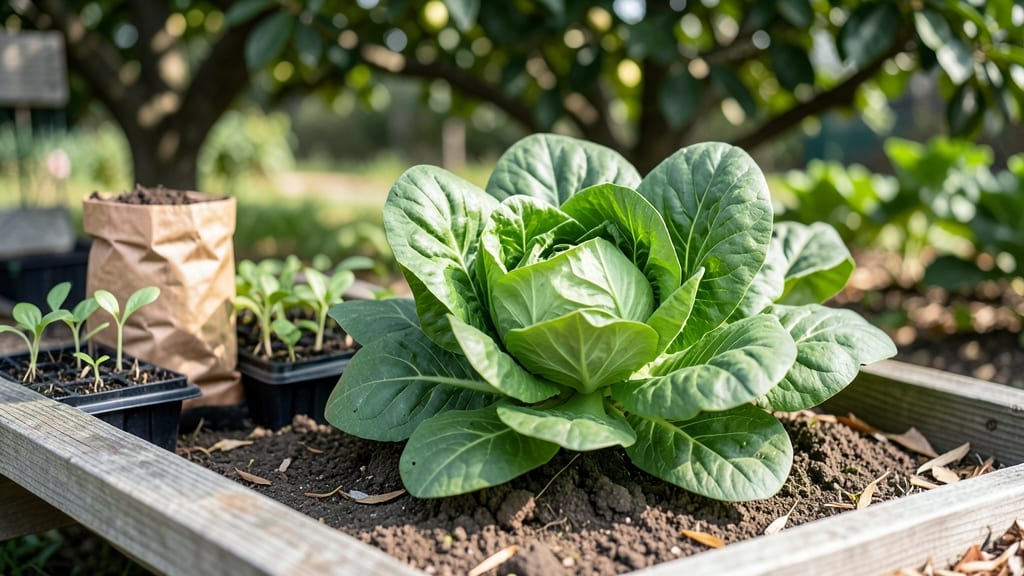
You can use potting soil in raised beds, but it needs mixing with native soil or compost to support deep root growth and long-term plant health. Pure potting soil compacts poorly and lacks the organic structure for sustained nutrient delivery.
Pure potting soil works well for container gardening because it's lightweight and retains moisture, but raised beds need heavier, more stable soil to prevent erosion and support root systems. 🌱 The ideal mix typically includes 60% native soil (for structure), 30% compost (for nutrients), and just 10% potting soil (for moisture control).
For heavy clay soils, adding perlite or coarse sand improves drainage without sacrificing fertility.
Vegetables like tomatoes and peppers thrive in amended mixes, while flowers may tolerate higher potting soil ratios. The key is balancing aeration with water retention—too much potting soil can lead to soggy roots, while too little native soil reduces stability.
Always test your mix by squeezing a handful: it should hold shape but crumble easily.
💡 In This Article
- Why Pure Potting Soil Fails in Raised Garden Beds
- Optimal Soil Blends for Raised Bed Plant Growth
Why pure potting soil fails in raised garden beds
Potting soil is engineered for containers, where roots grow in confined spaces and moisture evaporates quickly. Its lightweight, airy composition—often containing 50-70% peat moss or coconut coir—excels at moisture retention but fails in raised beds because it lacks the structural stability needed for deep root systems.
Native soil, by contrast, contains 15-30% organic matter plus minerals that bind particles together, creating a porous yet stable matrix for roots to expand into.
The problem starts with compaction. Pure potting soil settles unevenly in raised beds, creating air pockets that limit root penetration.
For example, a 6-inch-deep bed filled with potting soil may only support roots to 4-5 inches deep, while the same bed with amended native soil can accommodate roots reaching 12+ inches. This shallow growth restricts nutrient uptake and makes plants more vulnerable to drought or wind stress. 🌱
Microbiological activity also suffers. Native soil teems with mycorrhizal fungi and beneficial bacteria that form symbiotic relationships with plant roots, enhancing nutrient absorption. Potting soil is typically pasteurized or sterilized to prevent disease, which means it starts with a microbial blank slate.
Without amendments, your plants miss out on these natural partnerships, leading to slower growth and weaker immune systems.
Drainage becomes another critical issue. While potting soil drains well in pots, raised beds require balanced moisture retention—too fast, and roots dry out; too slow, and they suffocate.
Pure potting soil often drains too quickly in raised beds, forcing you to water 2-3 times daily in hot climates, while amended native soil maintains even moisture with half the watering frequency. This imbalance stresses plants and increases maintenance.
Consider the texture: potting soil feels fluffy and dry when squeezed, while native soil holds together like damp sand. This structural difference means potting soil can't support heavy plants like corn or squash, which need stable soil to anchor their tall stems.
Even lighter plants like lettuce or herbs will struggle without the nutrient-rich, well-structured base that native soil provides.
What most gardeners don't realize is how pH levels shift over time. Potting soil often starts slightly acidic (pH 5.5-6.5), but as it breaks down in a raised bed, it can become more alkaline (pH 7.0+), locking out essential nutrients like phosphorus and iron.
Native soil, with its natural buffering capacity, maintains a more stable pH 6.0-7.0 range, ideal for most vegetables and flowers.