
Container Gardens
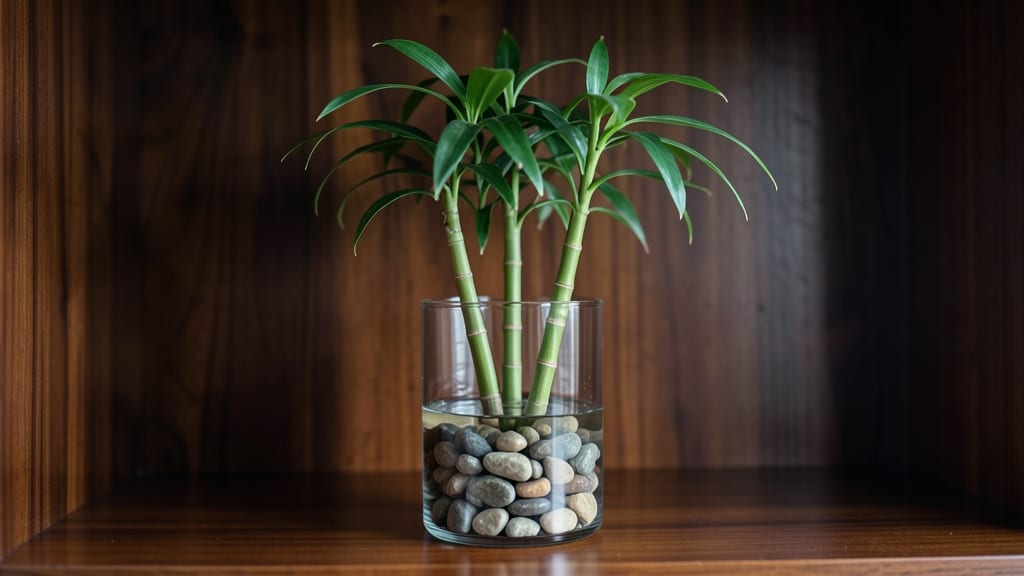
Growing large potted bamboo turns your patio into a lush, tropical retreat without the invasive spread. 🌿 My first attempt ended with a tangled mess, but I learned the right container, soil, and pruning tricks create a foolproof setup that thrives for years.
The key is controlling that root system—bamboo’s secret weapon and biggest challenge. You’ll need a 20-gallon or larger container with drainage holes, well-draining soil mix (equal parts potting soil and perlite), and a sturdy trellis or support for varieties like Phyllostachys aureosulcata or Bambusa multiplex.
Water deeply when the top inch feels dry, but never let it sit soggy—root rot is the silent killer of potted bamboo. With proper care, you’ll watch your bamboo shoot up 6-10 feet tall in a single season, its canes sturdy enough to support climbing plants.
The rustling leaves add movement and texture, and the scent of fresh growth is pure summer in a pot. Prune aggressively in early spring to keep it contained and encourage bushier growth. This method works for small patios, balconies, or even indoor spaces with bright light.
The only real challenge is root management—we’ll tackle that next with simple, effective solutions.
📚 In This Guide
- What you need
- Instructions
- Tips and common mistakes
- Wrapping up and next steps
What you need
- ● Large container or pot: At least 15–20 gallons (24–36 inches deep) with drainage holes. Opt for terra cotta, fiberglass, or heavy plastic to prevent tipping.
- ● High-quality potting mix: A blend of 60% organic matter (peat moss, coconut coir), 20% perlite or pumice, and 20% compost. Avoid garden soil—it compacts too easily!
- ● Bamboo plant: Choose a clumping bamboo (e.g., Fargesia or Sasa species) for containers—running bamboo (Phyllostachys) needs a root barrier or larger space.
- ● Drainage layer: 3–4 inches of gravel, broken pottery, or expanded clay to prevent root rot.
- ● Slow-release fertilizer: Balanced 10-10-10 or organic options like fish emulsion (follow package rates).
- ● Mulch: 2–3 inches of wood chips or pine bark to retain moisture and regulate temperature.
- ● Gloves & long sleeves: Bamboo can be prickly—protect your hands!
- ● Trowel or spade: For planting and mixing soil.
- ● Watering can or hose with a gentle nozzle: Bamboo loves moisture but hates soggy roots.
- ● Pruners or loppers: For trimming dead fronds or overgrowth.
- ○ Support stake (optional): A 3–4 foot bamboo stake if your variety grows tall and needs stability.
- ● Root barrier (for running bamboo): A plastic or metal barrier buried 2–3 feet deep to contain aggressive roots.
- ● 🌡️ Location: Place your pot in partial shade (4–6 hours of morning sun)—direct sun can scorch leaves.
- ● ✨ Watering: Keep soil consistently moist but not waterlogged. Containers dry out faster than ground soil!
- ● 🎯 Winter prep: Move pots to a protected spot if temperatures drop below 15°F (-9°C).
Step-by-Step guide to growing large potted bamboo
Here's how to keep your bamboo thriving in containers with minimal fuss—no green thumb required.
🪴 Step 1: Select the Right Container and Drainage
Choose a container at least 18 inches deep and 12 inches wide for each plant, since bamboo has extensive root systems. I recommend using a heavy ceramic or fiberglass pot—plastic can crack under the plant's weight as it grows. Make sure it has drainage holes, or drill them yourself if needed. Place a layer of 3-4 inches of gravel or broken pottery at the bottom to prevent soil compaction and improve drainage.
Bamboo roots need oxygen, so avoid sealed containers. If you're using decorative pots without drainage, place the plant in a saucer filled with pebbles and water to maintain humidity without waterlogging the roots. Here's the thing—if your pot is too small, the roots will circle and strangle the plant, leading to stunted growth or death.
🌱 Step 2: Prepare the Soil and Plant Your Bamboo
Fill the container with a mix of 60% potting soil and 40% perlite or sand to improve drainage and aeration. Bamboo prefers slightly acidic to neutral soil with a pH between 5.5 and 7.0. Avoid garden soil—it compacts easily and holds too much moisture. Gently remove the bamboo from its nursery pot and place it in the center of your container.
Spread the roots outward and cover them with soil, pressing lightly to remove air pockets. Leave about 1 inch of space between the soil surface and the pot rim for watering. Water thoroughly after planting until water drains from the bottom holes. You'll know it's right when the soil feels damp but not soggy—like a wrung-out sponge.
☀️ Step 3: Position for Light and Shelter
Large potted bamboo thrives in partial shade, especially in hot climates. Place your container where it gets morning sun and afternoon shade—think east-facing windows or a spot under a tree. In cooler climates, it can handle 3-4 hours of afternoon sun, but avoid harsh midday rays, which can scorch the leaves. If you're growing clumping bamboo, it's more forgiving than running types, which can spread aggressively.
Protect your bamboo from strong winds, which can damage the delicate canes. If you're placing it outdoors, move it to a sheltered spot like a patio or balcony. Watch for signs of stress—yellowing leaves or drooping canes mean it's getting too much sun or not enough water. Adjust its position gradually to avoid shocking the plant.
💧 Step 4: Water and Fertilize for Healthy Growth
Water your bamboo when the top 2 inches of soil feel dry to the touch. In summer, this might mean watering every 2-3 days, while winter care may only require watering once a week. Bamboo likes consistent moisture but hates soggy roots, so always check before watering. I like to use a moisture meter or stick my finger into the soil to gauge when it's time to water.
Fertilize in spring and summer with a balanced, water-soluble fertilizer (like 10-10-10) diluted to half strength. Apply it every 4-6 weeks during the growing season. Avoid fertilizing in fall or winter, as the plant enters dormancy. Over-fertilizing can burn the roots and harm the plant, so always follow the package instructions.
✂️ Step 5: Prune and Maintain for Long-Term Health
Prune your bamboo in early spring to shape the plant and encourage new growth. Remove any dead, diseased, or weak canes by cutting them at the base with clean, sharp pruners. You can also trim back overgrown canes to maintain the desired height and shape. Here's the thing—if you see yellow or brown leaves, they’re likely dead and should be pruned to redirect the plant’s energy to new growth.
Check the container for signs of root bound plants—if roots are circling or growing out of the drainage holes, it’s time to repot. Divide the clump and replant in fresh soil to give the roots more space. Mulch the soil surface with 2-3 inches of organic mulch to retain moisture and suppress weeds. This also keeps the roots cool in summer and insulated in winter.
Tips & tricks for perfect large potted bamboo
Here's what nobody tells you about keeping your bamboo lush and healthy in containers—these little details make all the difference.
Container Size Matters: The 18-inch depth and 12-inch width measurements in Step 1 aren't just suggestions—they're non-negotiable for large bamboo varieties. I've seen people try smaller pots, and within a year, the roots were circling like a snake eating its tail. If you're working with a decorative pot without drainage, that pebble saucer trick is actually a lifesaver for humidity, but check the soil moisture daily to prevent waterlogging. The roots need oxygen just as much as they need water.
Soil Mix Secrets: That 60-40 potting soil to perlite/sand ratio in Step 2 is perfect, but here's the thing: don't skimp on the perlite. I've found that adding a handful of orchid bark to the mix creates even better aeration, especially for tropical bamboo varieties. And if you're planting in spring, consider adding a slow-release fertilizer to the soil mix—it'll give your bamboo a head start without the risk of over-fertilizing right away.
Light Positioning Hacks: When placing your bamboo in Step 3, think about seasonal changes. In summer, that east-facing window might be perfect, but by winter, you'll want to move it closer to a south-facing window for more light. I've had bamboo plants that looked great in summer but turned leggy and weak in winter because they weren't getting enough light. Also, if you notice the leaves turning yellow, it's often a sign of too much sun—move it to a shadier spot immediately.
Watering Wisdom: The "top 2 inches dry" rule in Step 4 is solid, but let me share my real-world test: stick your finger in the soil. If it feels like a wrung-out sponge (damp but not wet), that's perfect. I've learned the hard way that bamboo roots can rot surprisingly fast if they're consistently soggy. In winter, I cut back to watering every 10-14 days unless the pot is particularly shallow, and even then, I check the moisture level first. The key is consistency—bamboo hates dry spells but despises waterlogged conditions even more.
Pro Tips for Large Potted Bamboo
- Here's what nobody tells you about keeping your bamboo lush and healthy in containers—these little details make all t...
- Container Size Matters: The 18-inch depth and 12-inch width measurements in Step 1 aren't just suggestions—they're no...
- Soil Mix Secrets: That 60-40 potting soil to perlite/sand ratio in Step 2 is perfect, but here's the thing: don't ski...
Frequently asked questions
Got questions about keeping your large potted bamboo happy and healthy? You’re not alone! Here are some of the most common concerns—plus straightforward answers to help you avoid headaches and grow a thriving container plant.
How often should I water my large potted bamboo?
Water your bamboo when the top 1–2 inches of soil feel dry to the touch. In containers, this usually means watering every 5–7 days in warm weather or every 10–14 days in cooler months. Overwatering is the #1 killer—ensure pots have drainage holes to prevent root rot.
Can large potted bamboo survive winter outdoors?
Most bamboo varieties (like Bambusa multiplex) tolerate light frost but need protection in harsh winters. Move pots to a sheltered spot or wrap them in burlap. If temps drop below 15°F, bring them indoors or mulch heavily. Evergreen types may lose leaves but bounce back in spring!
Why is my bamboo growing slowly or turning yellow?
Slow growth often signals root-bound conditions or poor drainage. Check for:
- Compacted roots? Repot in spring with fresh, well-draining soil.
- Yellow leaves? Overwatering or nutrient deficiency—trim dead fronds and fertilize lightly.
- Leggy stems? Needs more sunlight (6+ hours/day).
Bamboo is tough—adjust care and watch it perk up!
What’s the best pot size for large potted bamboo?
Start with a pot 12–18 inches wider than the plant’s clump and deep enough for roots to spread (at least 12 inches). Bamboo has aggressive roots—choose heavy, unglazed pots (like ceramic) to prevent tipping. Divide clumps every 2–3 years to refresh growth.
Is there a non-invasive alternative to running bamboo?
Yes! Clumping bamboo (like Fargesia or Bambusa ventricosa) stays contained and won’t spread invasively. These varieties grow in tight clusters, making them perfect for pots. Just prune regularly to keep them tidy.
Pro Tip:
Mulch your potted bamboo with 3–4 inches of organic mulch (like shredded bark) to retain moisture and regulate soil temp. Replenish annually for happy roots!
Wrapping up and next steps
Growing large potted bamboo is a rewarding way to bring elegance and greenery to your space—without the commitment of a full yard! With the right container, soil, and a little TLC, you’ll enjoy lush, thriving plants that purify the air and add natural beauty.
Whether you’re a beginner or seasoned gardener, these tips make container gardening simple and stress-free.
Ready to transform your patio or balcony? Start by choosing your bamboo variety—then grab a pot, some soil, and let nature do the rest! 🌿✨