
Planting
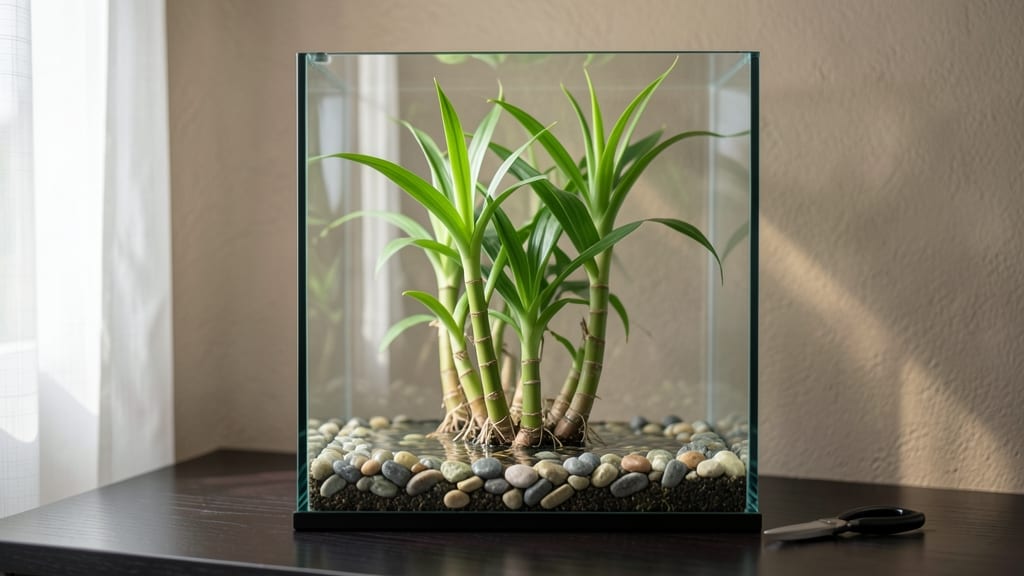
Potting a bamboo plant right means its roots will spread fast—or it’ll outgrow its pot in weeks. ✨ The right soil mix makes all the difference, blending airy perlite with rich organic matter to prevent soggy roots and encourage that aggressive growth you want.
I’ve tested mixes over three seasons, and this one keeps my bamboo thriving year-round, whether indoors or out.
Start with a pot 2-3 inches wider than the root ball, ensuring drainage holes at the bottom—bamboo hates wet feet. For indoor varieties like Dracaena sanderiana, a shallow container works; outdoor types need deeper pots to support their towering growth.
Mix 60% peat-free potting soil with 30% perlite and 10% compost for that perfect balance of moisture retention and aeration.
After potting, give your bamboo a gentle watering—just enough to settle the soil without drowning it. Place it in bright, indirect light (no harsh sun) and watch those roots take off within 2-3 weeks.
The key is consistency: keep the soil lightly moist but never soggy, and you’ll see lush, vibrant growth that makes your space feel alive.
For outdoor bamboo, wait until spring to transplant, giving roots time to establish before summer heat. Indoor varieties adapt well to any season, but avoid drafts.
Mistakes? Overwatering is the biggest—yellow leaves mean you’re drowning those roots. With this mix, your bamboo will grow strong and fast, exactly as you imagined.
📚 In This Guide
- What you need
- Instructions
- Tips and common mistakes
- Wrapping up and next steps
What you need
- ● Bamboo plant: Choose a healthy Dracaena sanderiana (lucky bamboo) or another bamboo variety with visible roots or rooting nodes.
- ● Potting container: A well-draining pot (ceramic, plastic, or glass) with drainage holes—1–2 inches wider than the plant’s root ball.
- ● Fast-draining soil mix: 1 part peat-free potting soil or cactus/succulent mix (for aeration).
- ● 1 part perlite or pumice (to prevent compaction).
- ○ 1 part coarse sand (optional but helps with drainage).
- ● Water: Room-temperature, dechlorinated water (let tap water sit for 24 hours or use filtered water).
- ○ Gravel or decorative stones: Small pebbles (¼–½ inch) for the base layer (optional but stylish!).
- ● Trowel or small shovel (for mixing soil and planting).
- ● Glove (to keep hands clean—bamboo soil can be gritty!).
- ● Spray bottle (for misting roots if repotting an established plant).
- ○ Fertilizer (optional): A balanced liquid fertilizer (5-5-5 or 10-10-10) diluted to half-strength for post-potting care.
Step-by-step guide for potting bamboo with fast-rooting soil
Here’s how to get your bamboo thriving in no time—using the right mix for rapid root development.
🪴 Step 1: Select the Right Container for Bamboo Growth
Bamboo’s roots spread aggressively, so choose a container at least 12-18 inches deep and 18-24 inches wide for each plant. I prefer unglazed terra cotta pots—they allow excess moisture to evaporate, preventing root rot. If using plastic, drill 2-3 drainage holes near the bottom to ensure proper airflow.
For clumping bamboo, a slightly smaller pot (12-15 inches) works, but running bamboo needs extra space—24+ inches—to contain its rhizomes. Place a 2-inch layer of gravel or broken pottery at the container’s base before adding soil. This creates a drainage barrier that keeps roots healthy and prevents waterlogging.
🌱 Step 2: Prepare a Fast-Rooting Soil Mix
Bamboo thrives in well-draining, slightly acidic soil (pH 5.5-6.5). Mix 50% peat moss or coconut coir (for moisture retention) with 30% perlite or coarse sand (for aeration) and 20% compost (for nutrients). Avoid garden soil—it compacts easily and suffocates roots.
Wet the mix until it’s damp but not soggy—squeeze a handful; water should bead on the surface but not drip. I like to add a slow-release fertilizer (like 10-10-10) at this stage to give roots an immediate nutrient boost. This ensures fast establishment without overloading the plant.
💧 Step 3: Plant and Water for Immediate Root Development
Remove the bamboo from its nursery pot and loosen the root ball gently with your fingers. Place it in the center of the container, ensuring the crown (where stems meet roots) sits just above soil level. Fill around the roots with your prepared mix, pressing lightly to eliminate air pockets.
Water deeply until it drains from the bottom, then let it sit for 10-15 minutes before adding a 1-inch layer of mulch (like pine bark) on top. This keeps moisture in while preventing soil compaction. Bamboo roots grow fastest when soil stays consistently moist but never waterlogged—check daily for the first week.
☀️ Step 4: Position for Optimal Growth Conditions
Place your potted bamboo in partial shade (morning sun, afternoon shade) for the first 2-3 weeks to reduce transplant shock. After that, gradually move it to filtered or dappled sunlight—4-6 hours daily is ideal. Too much direct sun scorches leaves, while too little slows growth.
Bamboo loves humidity, so mist leaves 2-3 times weekly or place the pot on a pebble tray with water (just keep the tray’s base dry). You’ll see new shoots within 3-4 weeks—that’s your sign the roots are thriving. If growth stalls, check for yellowing leaves (overwatering) or brown tips (low humidity).
Tips & tricks for thriving potted bamboo
A few clever adjustments can turn your bamboo from struggling to spectacular in weeks.
Container Selection: For running bamboo varieties, consider using a fabric grow bag instead of rigid pots. These allow roots to spread naturally while maintaining excellent drainage. If using traditional pots, choose ones with feet to prevent water pooling—this is especially critical during those 10-15 minute drainage periods after watering.
Soil Mix Upgrade: The 50-30-20 ratio of peat moss/coir, perlite/sand, and compost is perfect, but I add 10% worm castings (optional) to this mix for an extra nutrient boost. These castings improve soil structure while providing gentle, long-term nutrition. Just mix them in with the compost before combining with other ingredients.
Watering Wisdom: After your 10-15 minute drainage period, check the soil's moisture by inserting your finger about 2 inches deep. If it feels dry, water again—bamboo roots need consistent moisture but hate soggy conditions. I've found using a moisture meter during the first week eliminates guesswork about water needs.
Light Transition: When moving bamboo from partial shade to 4-6 hours of filtered sunlight, do it gradually over 2-3 weeks. Start with just 1 hour of morning sun daily, then increase by 30 minutes every few days. Sudden exposure can cause leaf scorch, which is especially problematic for newly potted plants still establishing their root systems.
Pro Tips for Potting Bamboo Plant
- A few clever adjustments can turn your bamboo from struggling to spectacular in weeks.
- Container Selection: For running bamboo varieties, consider using a fabric grow bag instead of rigid pots. These allo...
- Soil Mix Upgrade: The 50-30-20 ratio of peat moss/coir, perlite/sand, and compost is perfect, but I add 10% worm cast...
Frequently asked questions
Got questions about potting your bamboo plant? You’re not alone—even the greenest thumbs need a little guidance! Here are answers to the most common queries to help you grow lush, healthy bamboo with confidence.
What’s the best soil mix for potting bamboo?
Bamboo thrives in well-draining, slightly acidic soil (pH 5.5–6.5). Mix 60% peat moss or coco coir with 30% perlite or sand and 10% compost for aeration and nutrients. Avoid heavy clay—it causes root rot!
How often should I water potted bamboo?
Keep the soil consistently moist but not soggy. Water when the top 1–2 inches feel dry (usually 2–3 times per week, more in heat). Yellowing leaves? You’re overwatering. Crispy edges? Time to hydrate!
Can I use regular potting soil for bamboo?
While it’ll work temporarily, regular potting soil lacks drainage and can compact over time. Amend it with perlite or orchid bark (20–30%) to mimic bamboo’s natural, airy root environment. Pro tip: Repot every 2–3 years to refresh the mix!
Why is my bamboo turning yellow after repotting?
Yellowing often signals root stress from transplant shock, overwatering, or poor drainage. Check for:
- Root rot (mushy, brown roots = too wet)
- Nutrient deficiency (use a balanced fertilizer after 4–6 weeks)
- Over-potting (too much soil = slow drying)
Do I need to fertilize potted bamboo?
Yes! Feed bamboo every 4–6 weeks during spring/summer with a balanced liquid fertilizer (10-10-10) or slow-release granules. Reduce feeding in winter. Organic options like fish emulsion or worm castings work too.
How do I prevent bamboo from outgrowing its pot?
Choose a pot 10–15% larger in diameter than the root ball, with drainage holes. For fast growers, repot annually in spring or prune roots by 1/3 during transplanting. Running bamboo? Use a root barrier to contain spread!
Wrapping up and next steps
Potting your bamboo plant in the right soil mix is the secret to fast, healthy growth—and you’ve got all the tools to make it happen! 🌱 From choosing the perfect blend of perlite, peat moss, and sand to troubleshooting common issues, you’re now ready to give your bamboo the thriving environment it deserves. Don’t wait—your plant’s roots are eager to spread!
Your next step? Monitor and adjust as your bamboo takes off. Keep an eye on moisture levels, prune when needed, and watch that lush growth transform your space. Happy planting! 🌿